    |
 |
|
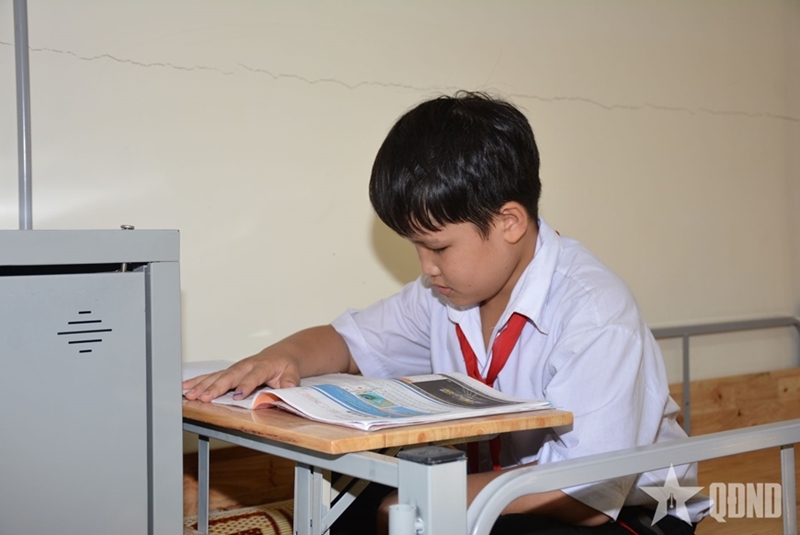
Boarding school helps the students become more self-disciplined, independent, and mature. |
Built with investment and support from the Party and State, the school provides better learning and living conditions for children, most of whom come from ethnic minority families in the area.
Every day at 5:15 a.m., students from the 4th to 9th Grades wake up and start their morning routines. After exercising, they fold their blankets, tidy their rooms, brush their teeth, wash their faces and prepare their books and clothes under the guidance of residential supervisors.
Older students are becoming increasingly able to take care of themselves and follow the school's rules and routines independently, while younger students still need help from teachers, particularly when folding their large, heavy blankets. Before classes begin, students on duty help collect water, wipe tables, arrange chairs and assist the kitchen staff. Their laughter and lively conversations fill the school.
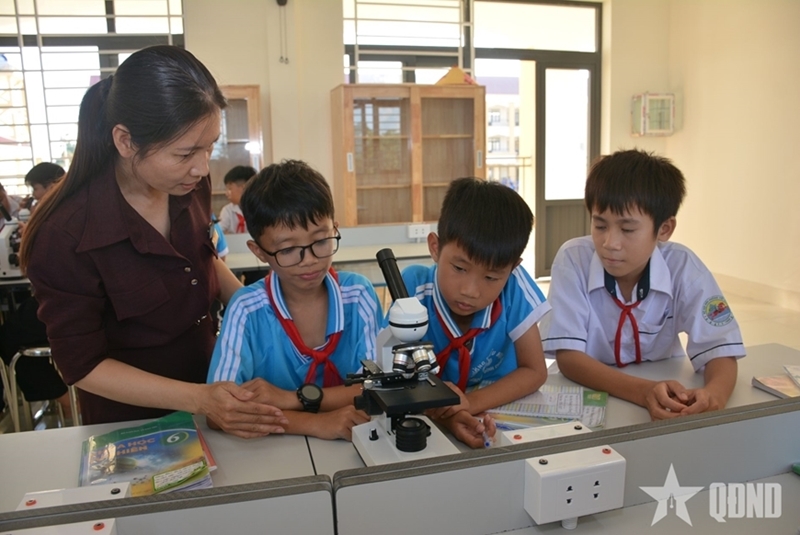
During a biology lesson, sixth-grader Ha Kieu Hung and classmates were excited to observe plant leaf tissue samples under a light microscope for the first time. Hung is a foster child of Ia Rve Border Post under the Dak Lak provincial Border Guard Command. He said that being able to magnify tiny specimens thousands of times allowed him to discover many things. His homeroom teacher encouraged him to study hard so that he could one day become a border guard soldier and protect the peace and happiness of people like his foster fathers.
Located in a remote, mountainous border area where transportation remains difficult, Ia Rve School has 34 classes and 865 students from the 1st to 9th grades in the 2026-2027 school year. Most are children of ethnic minority families. With support from the Party, State and local authorities, the students benefit from various preferential policies, including tuition exemptions and reductions and other forms of assistance.
|
|
 |
|
The children are excited to learn how to use a light microscope. |
|
|
 |
|
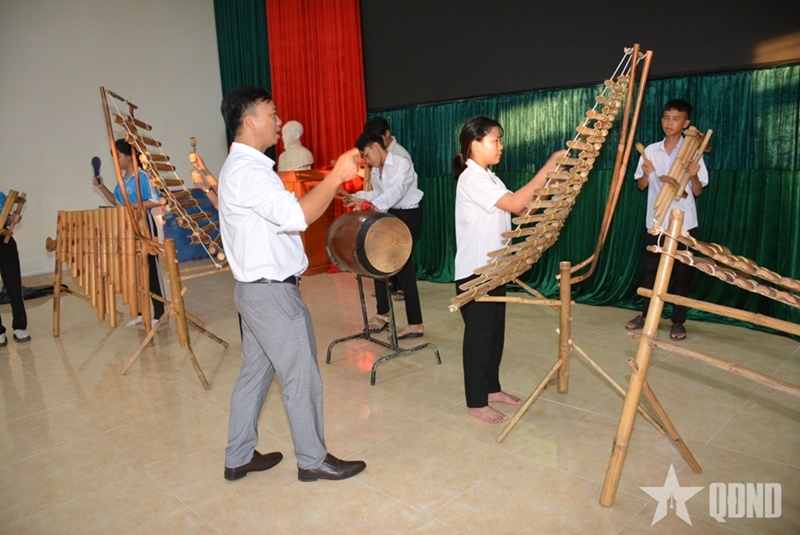
Teachers stay close to the students, caring for and guiding them so that they can continue to make progress. |
Because they are still young, students in the 1st to 3rd grades have lunch at school, but return home with their parents in the afternoon. Most students in the 4th to 9th grades eat, sleep and study at school and return home to visit their families on weekends.
Although the boarding school means being away from their families and foster fathers, Hung and hundreds of other students learn to become self-disciplined and independent from an early age. After classes, they enjoy playing soccer, kicking shuttlecocks, skipping, going for walks and cleaning their rooms and the school together. In the evenings, they study, do homework and prepare for the next day's lessons. When they encounter difficult math problems or writing assignments, they discuss them together and look for solutions.
Hung's experience in following routines and maintaining the disciplined manner of a soldier's child has also helped his roommates learn many useful lessons. With their foster fathers' approval, Hung and his classmates will visit Ia Rve Border Post at the end of October to experience part of military life.
During a music lesson, first-graders in Class 1B sing the song “Em yeu truong em (I love my school)” by composer Hoang Van. After nearly a month at school, the children have gradually adapted to the new environment and learned to politely greet teachers and adults. Being well-fed, sleeping well and receiving regular health care, they are becoming increasingly energetic and active.
|
|
 |
|
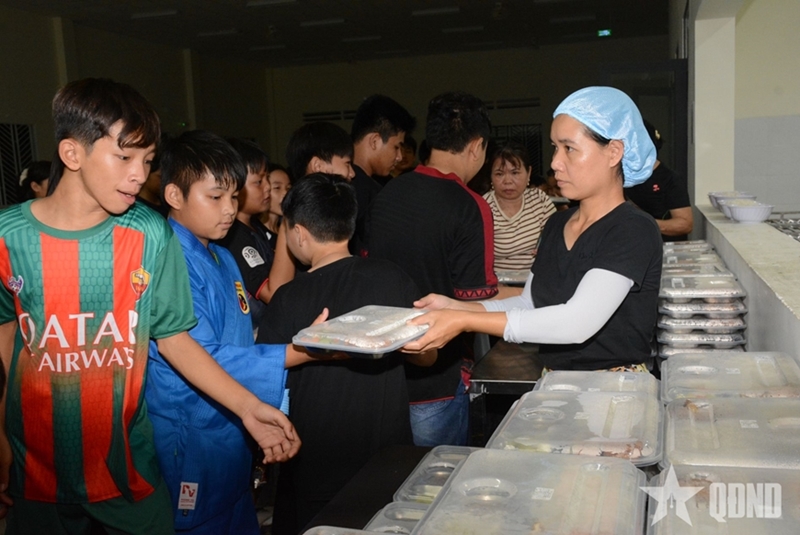
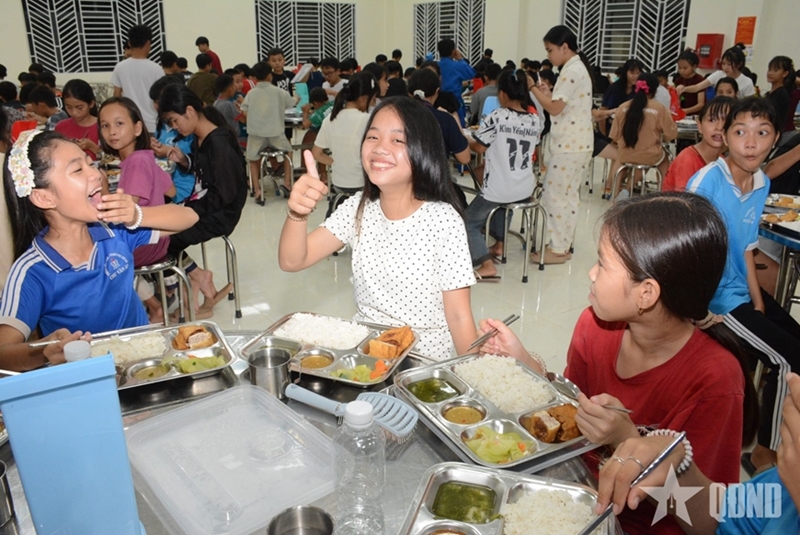
Every meal for students in the Dak Lak border area is carefully prepared and given close attention. |
Ho Sy Cat, the school's Principal, said the new school has facilities and teaching equipment equivalent to those of a Level-2 nationally accredited school. It will help improve teaching and learning quality, promote educational equity and provide new, sustainable learning opportunities for children from ethnic minority communities, while contributing to strengthening the people's support for national defense and security in the border areas.
Since moving to the new campus, the students' living and learning conditions have improved significantly. Living and studying together also gives them more opportunities to learn from and help one another. During evening self-study sessions, teachers regularly supervise, tutor and provide additional support, particularly for students facing difficulties, orphans and those who learn more slowly than their peers.
|
|
 |
|
The joy of students enjoying a delicious and nutritious meal |
According to the principal, the school also places special emphasis on food safety and hygiene, health care, and the students' living and learning environment. Following the merger and adjustments to its organizational structure and staffing, some teachers and staff now have to travel farther to work. Nevertheless, they regard their duties as a political mission, an honor and a responsibility, and remain committed to fulfilling their assigned tasks.
Translated by Tran Hoai