This is the first UNSOC conducted since the course was officially certified by the U.N. in March 2026, marking an important milestone in the professionalization and standardization of peacekeeping training at VNDPKO.
    |
 |
|
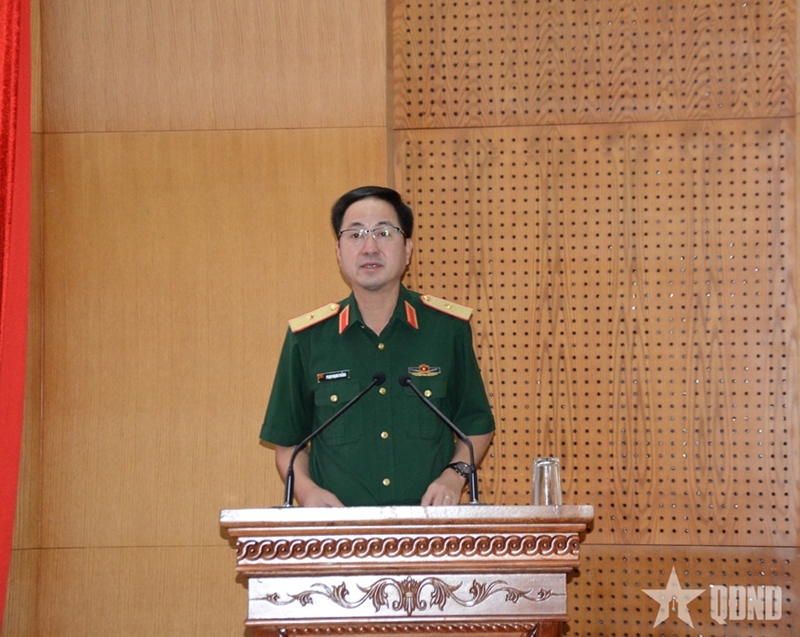
VNDPKO Director Maj. Gen. Pham Manh Thang speaks at the event. |
In his opening remarks, VNDPKO Director Maj. Gen. Pham Manh Thang noted that the U.N. had previously officially certified the UNSOC conducted in January 2026 by the Department with the support of Canada. The organization of this June course further proves the growing cooperation between Vietnam and Canada in U.N. peacekeeping.
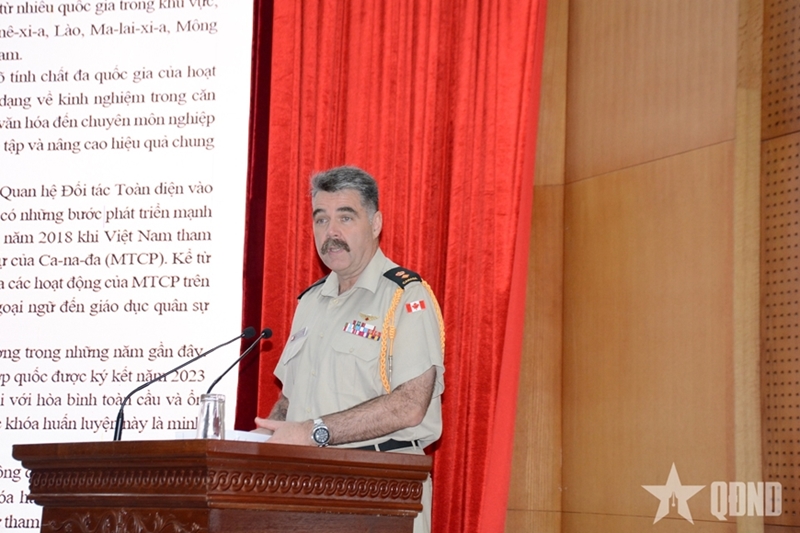
In his speech, Lt. Col. Paul Payne, Defense Attaché of Canada to Vietnam, emphasized that this recognition was not merely a certification, but also a testament to VNDPKO’s professionalism, credibility, and training quality. He described it as another milestone towards the Department’s goal of independently organizing and managing U.N. standard training courses, while gradually affirming its position as an outstanding regional training center in U.N. peacekeeping.
|
|
 |
|
Lt. Col. Paul Payne, Defense Attaché of Canada to Vietnam, speaks at the opening of the course. |
The course brings together 37 trainees from nine partner countries under Canada’s Military Training and Cooperation Program (MTCP), namely Bangladesh, Cambodia, Fiji, Indonesia, Malaysia, Mongolia, the Philippines, Timor-Leste, and Vietnam. In addition, five Lao officers are attending the course at the invitation of the Ministry of National Defense of Vietnam.
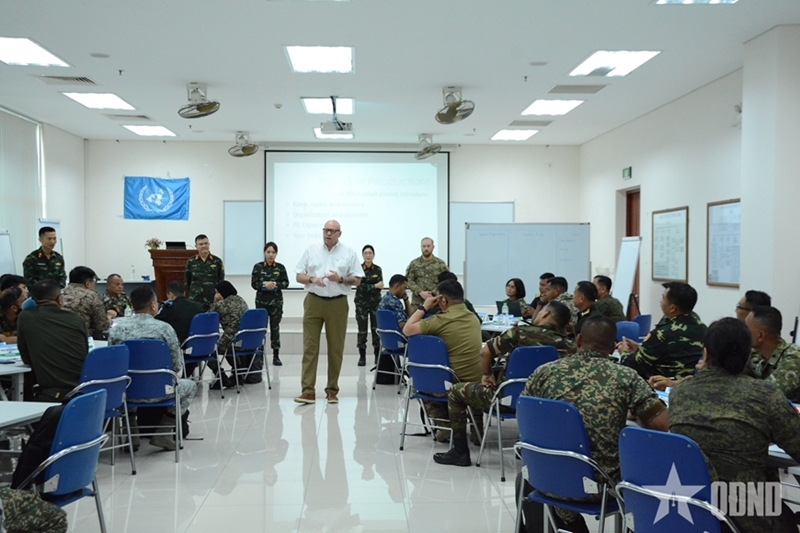
During the course, which runs until July 12, five Vietnamese and two Canadian instructors will be supported by training coordinators from both countries. The instructors are experienced U.N. peacekeeping experts with extensive practical experience, including service at U.N. headquarters in New York and in peacekeeping missions.
|
|
 |
|
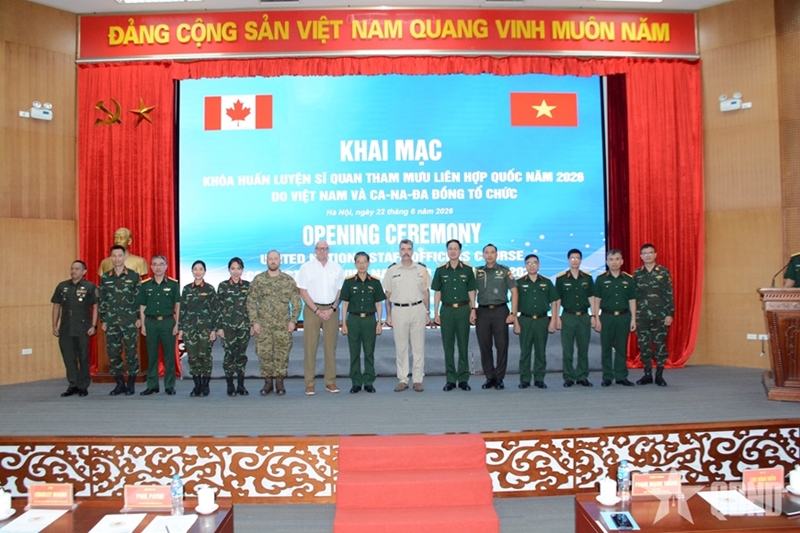
VNDPKO’s leaders, delegates and instructors attend the event. |
|
|
 |
|
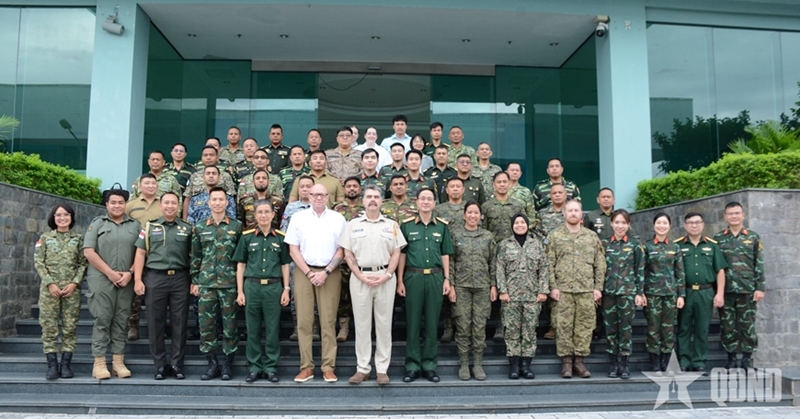
VNDPKO’s leaders, delegates, instructors, and trainees in a group photo |
Trainees will attend theoretical sessions focusing on U.N peacekeeping operations, including their principles and legal foundations; peace and security activities; organizational structures and operational mechanisms of peacekeeping missions; prevention of conflict-related sexual violence; child protection; U.N. values and standards of conduct; ethics and discipline for U.N. personnel. They will also practice scenario-based problem-solving.
Notably, at the end of the course, they will take part in an integrated simulation exercise (INSTEX), designed to replicate the duties of a U.N. staff officer.
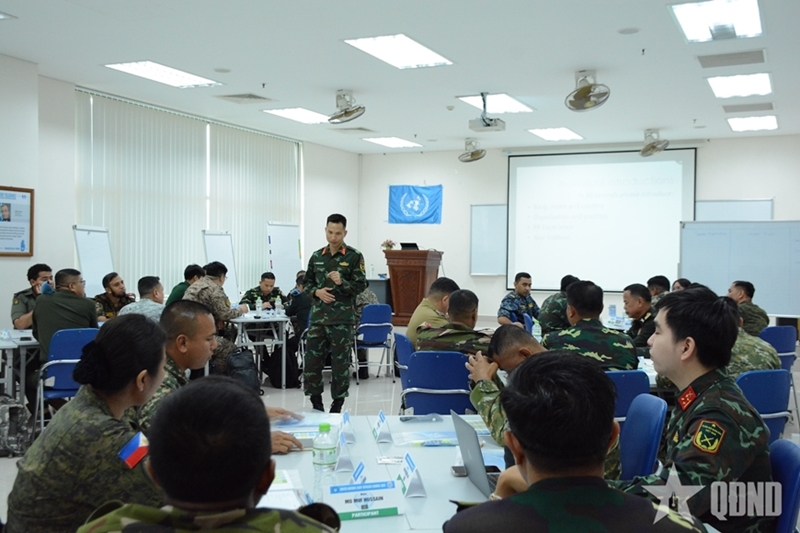
According to the chief instructor of the course, Colonel Nguyen Phuc Dong, the training will help enhance participants’ understanding of U.N. peacekeeping operations at all levels, from strategic decision-making at U.N. headquarters to operational and tactical implementation in the field.
|
|
 |
|
Chief instructor Colonel Nguyen Phuc Dong engages with trainees during a theoretical session. |
|
|
 |
|
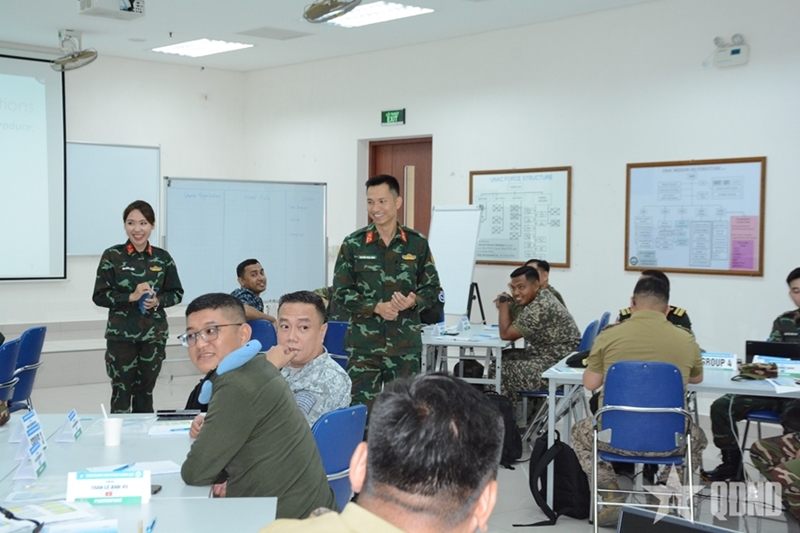
Active discussions and experience-sharing among trainees |
|
|
 |
|
Canadian instructor and members of the instructional team during a training session |
|
|
 |
|
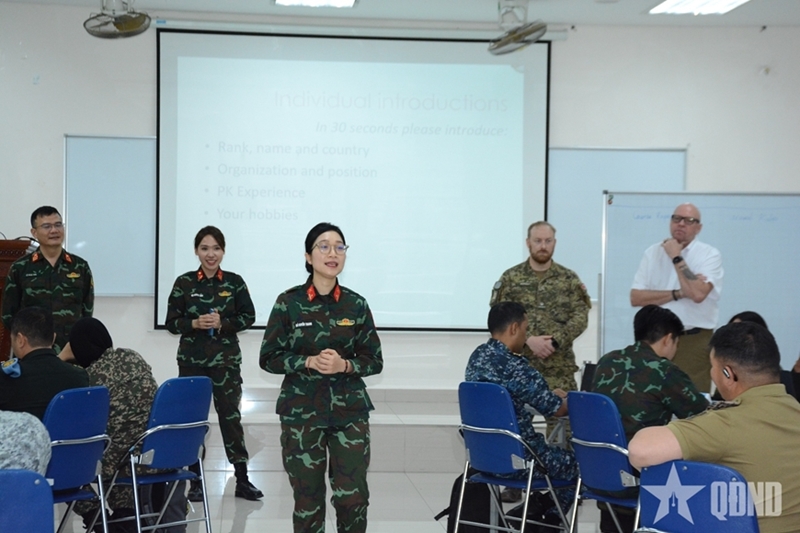
A Vietnamese instructor shares insights with trainees. |
Translated by Mai Huong