    |
 |
|
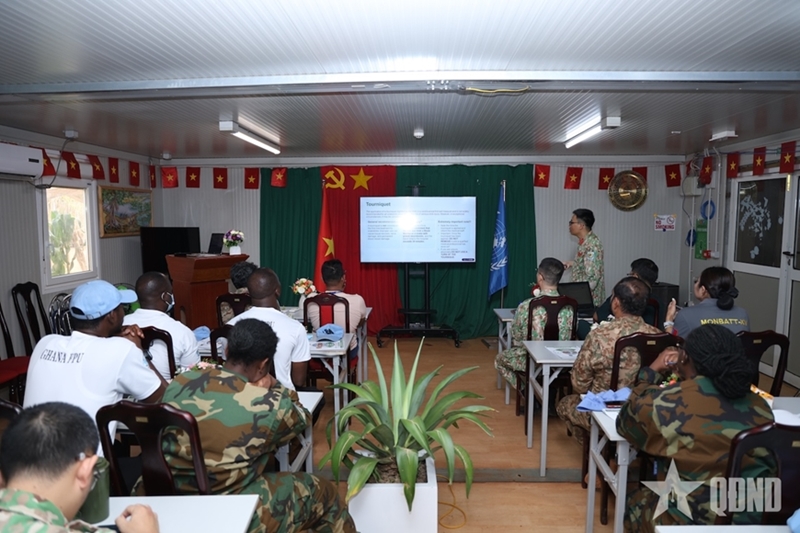
A workshop on snake identification and snakebite management in Bentiu organized by L2FH Rotation 7 |
Bentiu is widely regarded as one of South Sudan’s most dangerous snakebite hotspots. In this challenging environment, the pro-active prevention measures and constant readiness of Vietnam’s Level-2 Field Hospital (L2FH) Rotation 7 have clearly demonstrated the professional competence, responsibility, and credibility of Vietnamese medical personnel serving at the United Nations Mission in South Sudan (UNMISS).
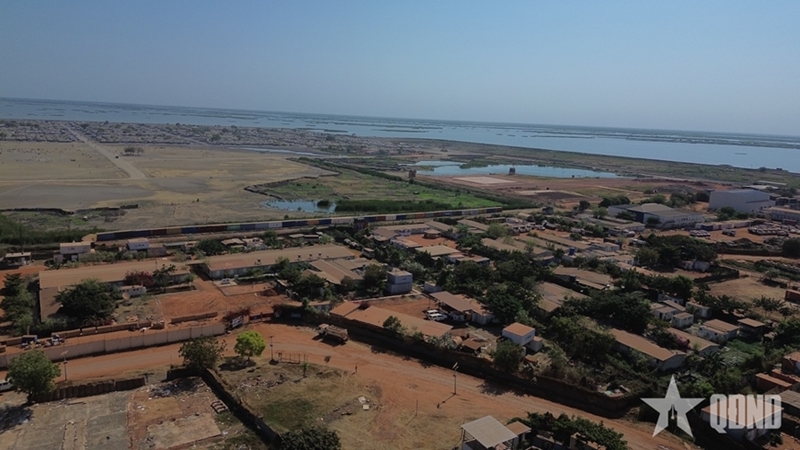
South Sudan is known as one of the African countries with the highest diversity of venomous snakes, with around 11 extremely dangerous species and more than 10 others considered highly hazardous. In Unity State, prolonged flooding has forced both people and wildlife onto the few remaining areas of higher ground, significantly increasing the likelihood of human-snake encounters.
|
|
 |
|
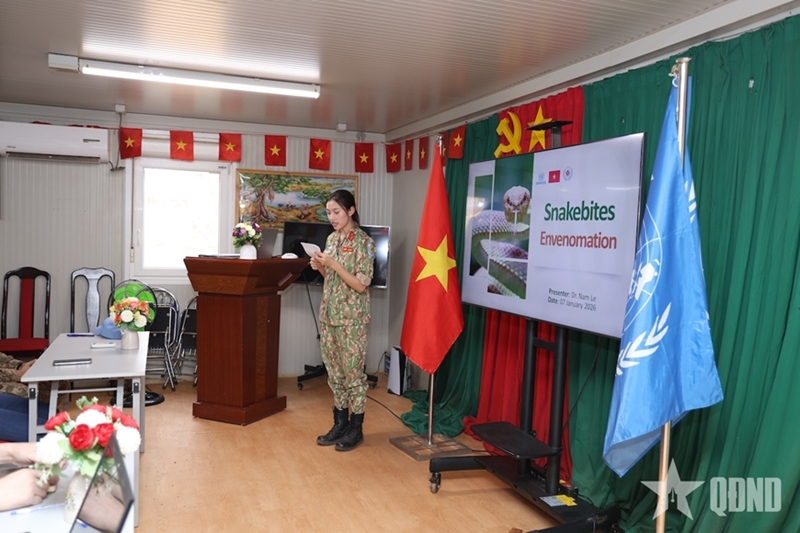
The workshop sees the broad participation from military medical officers of Level-1 field hospitals as well as infantry and police units under UNMISS. |
In the Bentiu and Rubkona areas, venomous snakes are frequently found in residential areas, refugee camps, and even within U.N. bases. Particularly dangerous species such as the black-necked spitting cobra, Egyptian cobra, saw-scaled viper, puff adder, and black mamba pose a direct threat to life, as their venom acts rapidly on the nervous system and blood coagulation if victims are not treated in time.
According to international medical reports, Unity State records the highest number of snakebite cases in South Sudan, especially following major floods. Many severe complications and fatalities have been linked to delayed access to modern medical care and reliance on traditional remedies, which significantly increases the risk of tissue damage and death, particularly among children.
|
|
 |
|
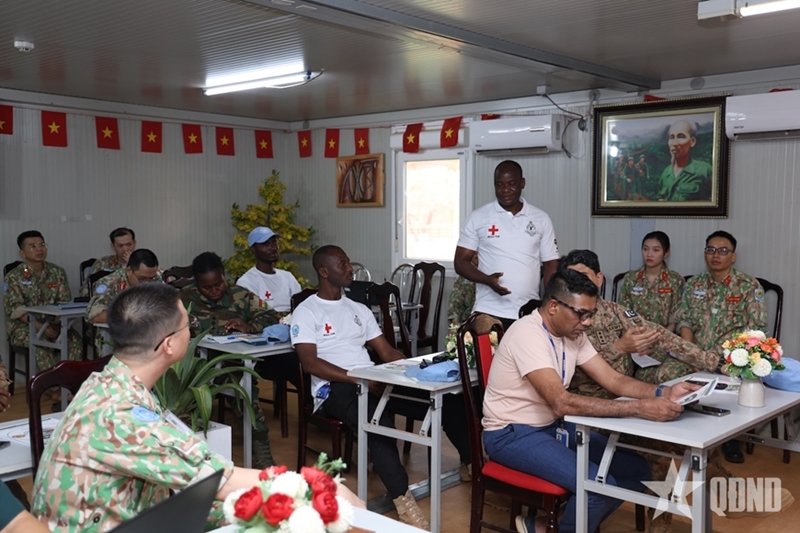
Discussions and experience-sharing on the prevention and treatment of venomous snakebites at the workshop |
Faced with this reality, L2FH Rotation 7 has identified snakebite prevention and treatment as a key medical priority. With thorough preparations made prior to deployment, the hospital maintains adequate supplies of antivenom suitable for multiple local snake species, ensuring timely emergency response and effective treatment in all circumstances.
The hospital’s doctors and nurses receive specialized training in identifying venomous snakes, providing first aid, and diagnosing and treating snakebite cases in accordance with updated medical protocols. At the same time, comprehensive preventive measures are implemented, including clearing vegetation, improving landscaping, maintaining sanitation in living areas, and minimizing potential snake habitats within the base. Educational guidance is also provided to officers and personnel on snake avoidance and initial response procedures.
|
|
 |
|
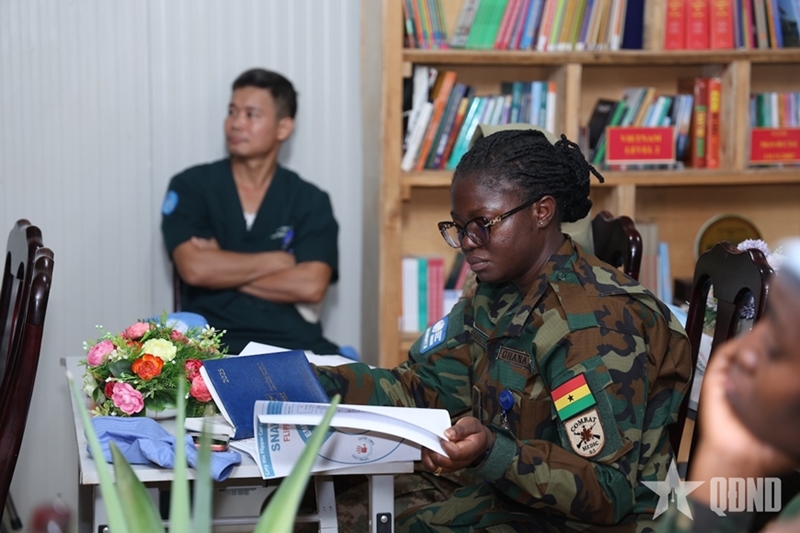
A military medical officer from the Ghanaian unit attending the workshop |
Beyond meeting its internal medical responsibilities, the hospital has been assigned by UNMISS to serve as a core provider of technical medical support for units in the sector, particularly in the management of snakebite cases. Recently, the hospital organized a thematic workshop on snake identification and snakebite treatment in Bentiu, drawing a large number of military medical officers of Level-1 field hospitals as well as infantry and police units under UNMISS.
At the workshop, Vietnamese doctors shared research findings, practical experience, and treatment protocols that have proven effective in real-world conditions. In-depth discussions of actual cases helped enhance emergency response capacity across participating units, reducing the risk of complications and fatalities.
|
|
 |
|
Bentiu is a “hotspot” with numerous venomous snake species in South Sudan. |
These efforts have not only reflected professional expertise, but also highlighted the sense of responsibility and proactive leadership of the Vietnamese Level-2 Field Hospital within the UNMISS medical system. Through concrete and sustained actions, the hospital continues to affirm its role as a reliable medical lifeline in one of South Sudan’s most challenging environments, contributing to the protection of human life and the overall effectiveness of U.N. peacekeeping operations.
Repored by Tien Phuc (from South Sudan)
Translated by Tran Hoai