Based on eyewitness accounts, field surveys, and verification workshops, Da Nang authorities are accelerating efforts to locate, collect, and identify the remains of fallen soldiers, with the hope of returning them to their comrades, families, and hometowns.
    |
 |
|
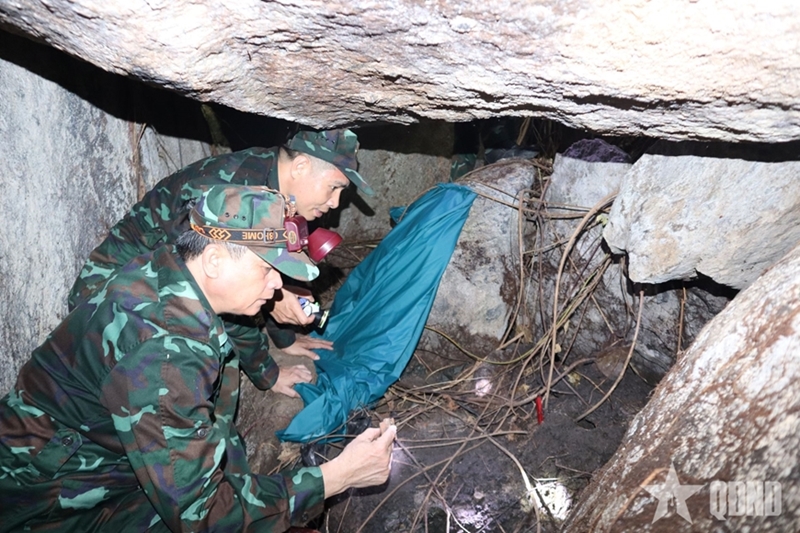
The site where bone fragments and personal belongings of fallen soldiers were discovered. |
From eyewitness accounts to physical evidence
For veteran Tran Thi Xanh of Lam Tay village in Ha Nha commune, Da Sap cave is a place of painful memories. She recalled that many military units, logistics personnel, transport teams, and military medical staff operated there during the war.
She said the April 1969 bombing buried many soldiers inside the mountain, but their remains have never been recovered. She still remembers the battlefield and hopes they can finally be brought home.
According to the Da Nang City Military Command, Thuong Nghiep K600 cave was a strategic logistics hub where several military units stopped to rest, store supplies, and prepare for operations before moving to the battlefield.
|
|
 |
|
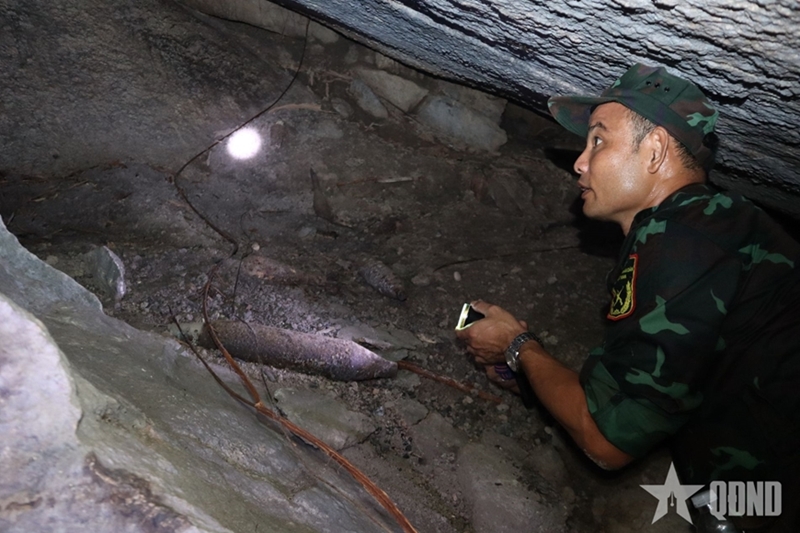
Unexploded ordnance remaining inside Da Sap cave |
|
|
 |
|
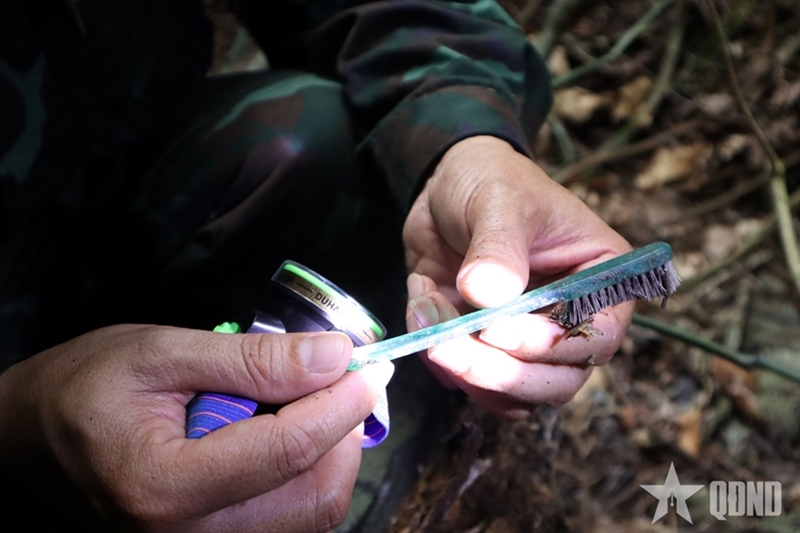
Toothbrush recovered during the survey |
While serving as an important shelter and supply point, the cave also became the site of tragedy when the bombing in 1969 caused many soldiers and cadres to be buried inside.
Non-commissioned Major Le Cao Long of the Da Nang City Military Command said investigators have combined eyewitness testimony, veterans' accounts, historical records, and field surveys to clarify the cave's wartime role and assess the possibility that fallen soldiers' remains are still located there.
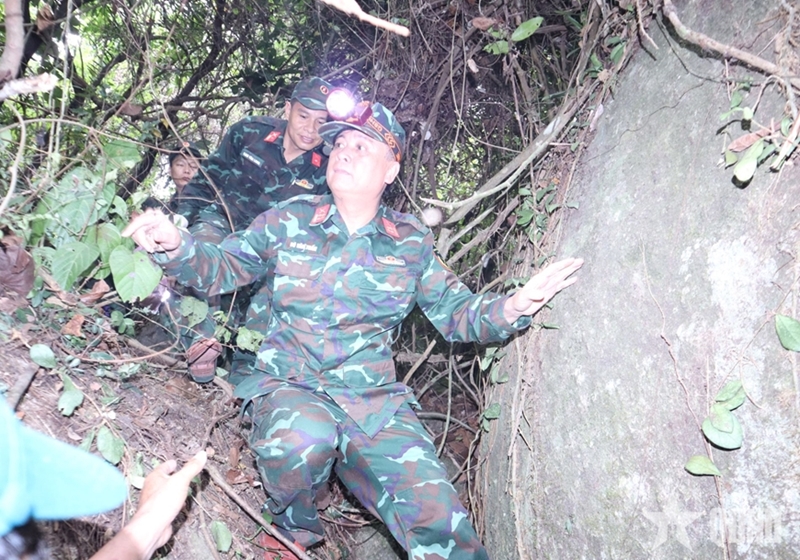
Recent surveys uncovered bone fragments and personal belongings, including sandals, medicine bottles, toothbrushes, food containers, and other items. Investigators also found unexploded bombs and munitions with intact fuses, requiring strict safety measures during surveys, site protection, and any future recovery operations.
These everyday objects serve as powerful reminders of the soldiers who once lived and fought in the cave and ultimately sacrificed their lives for the country.
Accelerating search for and collection of martyrs’ remains
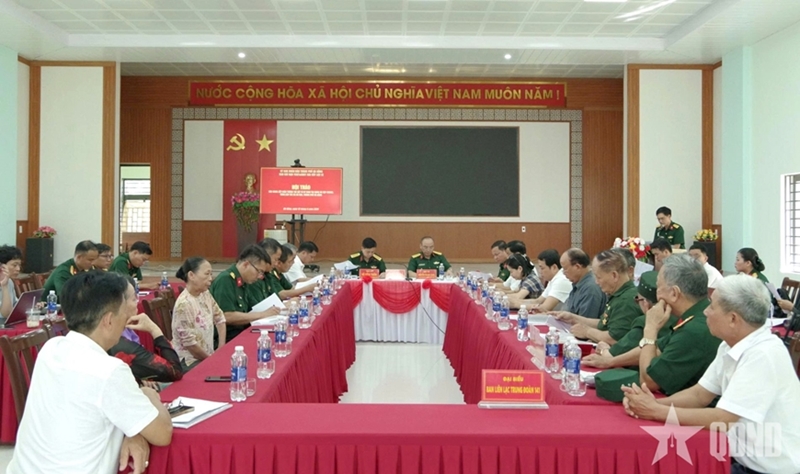
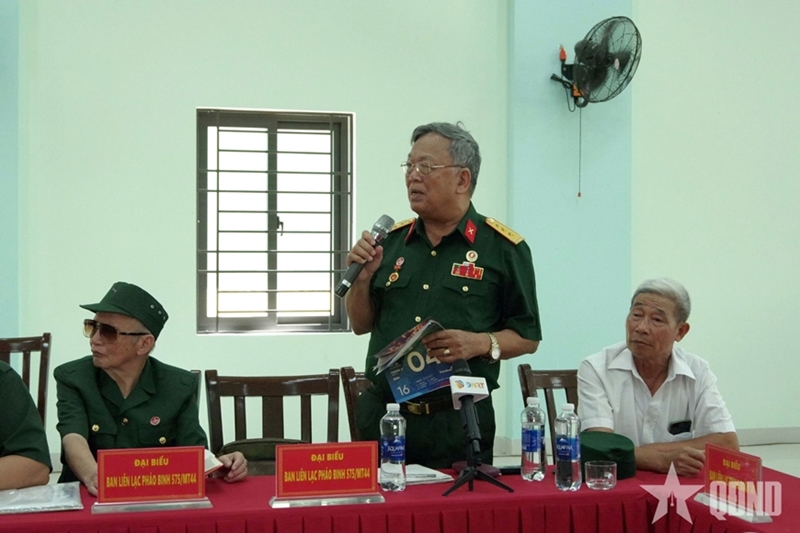
At a workshop on verifying information related to Da Sap cave, veterans, witnesses, and representatives from functional agencies provided additional details about the battlefield, the 1969 bombing, and the military units that operated there. The information will support the development of recovery plans.
|
|
 |
|
An overview of the workshop to verify information on fallen soldiers and martyrs’ graves at Da Sap cave |
|
|
 |
|
Witnesses provide information about the cave. |
Senior Colonel Vo Van Tuan, Political Commissar of the Da Nang City Military Command, stressed that all artifacts and evidence inside the cave must be carefully protected throughout the investigation. Preserving the site is both a professional responsibility and an order from the heart to pay tribute to those who sacrificed their youth and lives for the nation.
Colonel Le Huy Tu, Deputy Head of the Liaison Committee of Veterans of Artillery Regiment 575, expressed his hope that excavation and recovery efforts would begin soon so the remains of their fallen comrades could finally be returned to their families.
As part of the nationwide 500-day campaign to accelerate the search for, collection, and identification of fallen soldiers' remains, the efforts at Da Sap cave carry special significance. This is a journey to find missing comrades, restore names of unidentified fallen soldiers, and bring comfort to families who have waited for their fallen beloved ones for years.
|
|
 |
|
Survey team working inside Da Sap cave |
Every survey and verification effort reflects Vietnam's commitment to honoring those who sacrificed their lives for national independence.
Although recovery work remains difficult because of the rugged terrain, unexploded ordnance, and the need for further historical verification, authorities, veterans, and local communities remain determined to bring the fallen home.
Returning the fallen from the mountain to their comrades, families, and homeland is more than a political task. It is a solemn promise to honor fallen soldiers’ sacrifice and ensures that every patch of earth, every rock wall, and every artifact at Da Sap cave will continue to tell the story of patriotism, noble sacrifice, and the enduring responsibility of today's generation to those who gave their lives for the nation's independence and freedom.
Translated by Mai Huong