Tan Hoa tourism village (Quang Tri province)
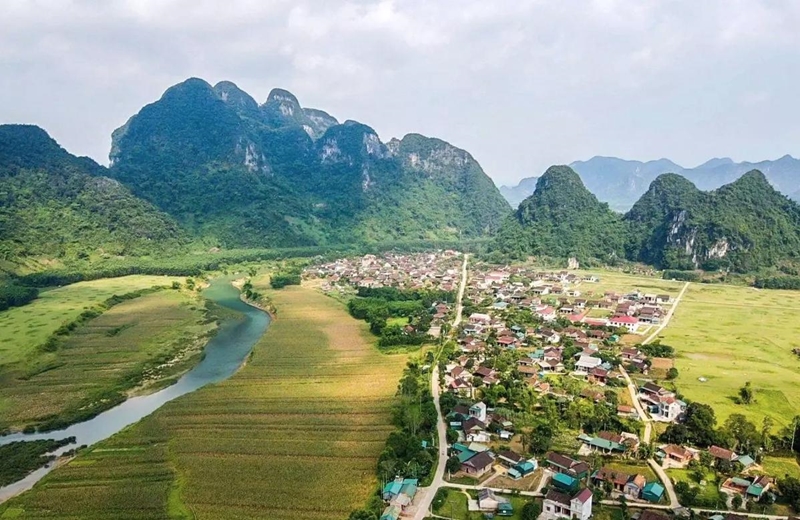
Named one of the “Best tourism villages 2023” by U.N. Tourism, Tan Hoa is surrounded by limestone mountains, pristine valleys, and grasslands. The village previously faced severe economic hardship, with an 85% poverty rate in 2010. However, after more than a decade of tourism development, it has created over 100 regular jobs, providing an average monthly income of over VND 8 million per person. Activities include cave exploration, off-road motorcycle tours, dining at local homes, relaxing, cycling, and discovering indigenous life.
    |
 |
|
An overview of Tan Hoa tourism village |
Historically prone to flooding between mid-September and November, Tan Hoa was submerged under 12 meters of water during the historic 2010 flood, earning it the nickname “flood epicenter.” Over the past five years, it has transformed into a “weather-adaptive” tourism village, featuring homestays built on flood-resistant floating platforms. The destination now attracts over 10,000 visitors annually.
Sin Suoi Ho village (Lai Chau province)
Located about 30 kilometers from the center of Lai Chau, at an altitude of nearly 1,500 meters above sea level, at the foot of Son Bac May mountain, Sin Suoi Ho has become a community tourism village since 2015. A recipient of the 2023 ASEAN Community Tourism Award, the site is highly regarded for its clean environment and innovative tourism approach. The predominantly Hmong ethnic community maintains a civilized lifestyle, free from social vices, and strictly advises visitors not to give money to local children.
|
|
 |
|
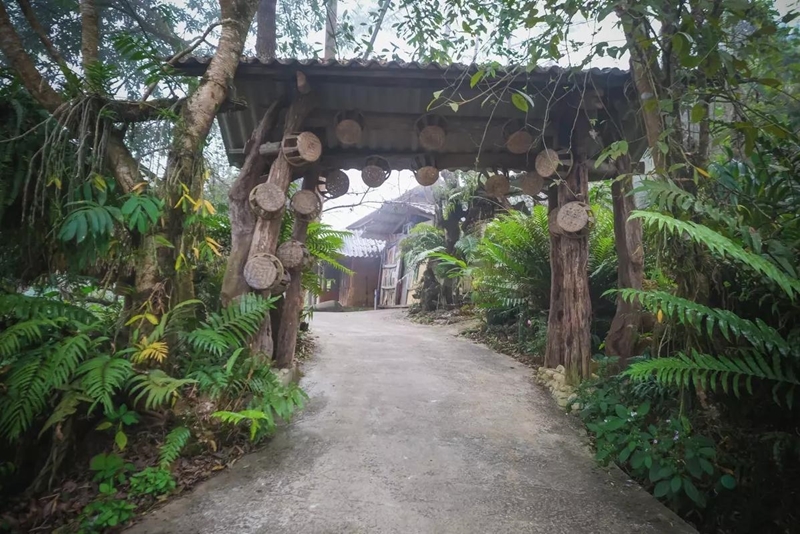
Sin Suoi Ho village boasts over 20 eco-friendly homestays and cafés. |
The village boasts over 20 eco-friendly homestays and cafes featuring wooden signs decorated with rattan or rope. In addition to relaxing, tourists can embark on trekking routes to Bach Moc Luong Tu or Ta Lien peaks, or take short hikes to the nearby Trai Tim Waterfall.
Tra Que vegetable village (Da Nang city)
Recognized as a “Best Tourism Village 2024” by U.N. Tourism, Tra Que dates back to the 16th century and is located 3km from Hoi An Ancient Town and 20km from downtown Da Nang. Situated on an island surrounded by the Co Co River and Tra Que Lagoon, the village benefits from sandy alluvial soil and a mild climate, sustaining its long-standing organic vegetable farming. Over 20 years ago, local authorities redesigned the area into perfectly square vegetable fields with straight paths to facilitate tourism.
|
|
 |
|
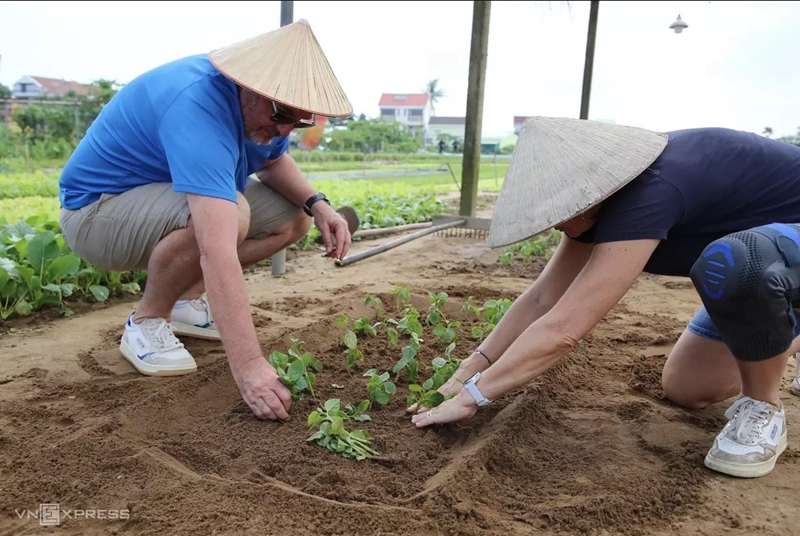
Foreign tourists experience growing vegetables in Tra Que village. |
Currently, Tra Que is home to over 200 households and 326 farmers cultivating 20 types of crops across 18 hectares, welcoming thousands of visitors daily. For an admission fee of VND 35,000, tourists can walk or cycle through the fields. The ideal times to visit are early morning or late afternoon to observe local farmers at work.
Quynh Son community tourism village (Lang Son province)
Designated as a “Best tourism village 2025,” Quynh Son Community Tourism Village is located within the Bac Son Uprising Special National Relic Site and the Lang Son UNESCO Global Geopark, approximately 180km from Hanoi. Operational since 2010, the village is renowned for its stunning landscapes and the well-preserved the cultural identity of the Tay ethnic group.
|
|
 |
|
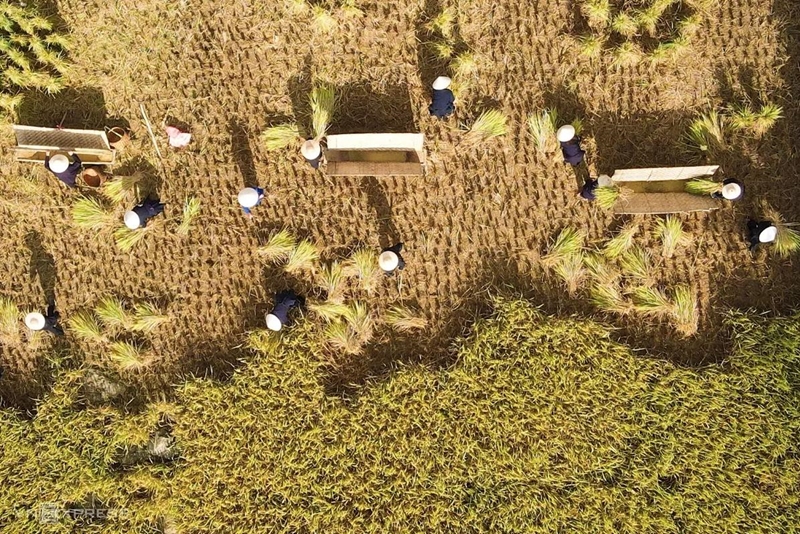
An aerial view of a corner of Quynh Son village |
The village features over 400 traditional stilt houses facing south, many of which are hundreds of years old. Visitors can stroll through the peaceful village, converse with locals, participate in agricultural activities, experience traditional weaving, and enjoy local cuisine. Additionally, tourists can climb Na Lay Peak or explore the “Educational Trail” within the geopark to learn about local history.
Kon K’Tu cultural village (Quang Ngai province)
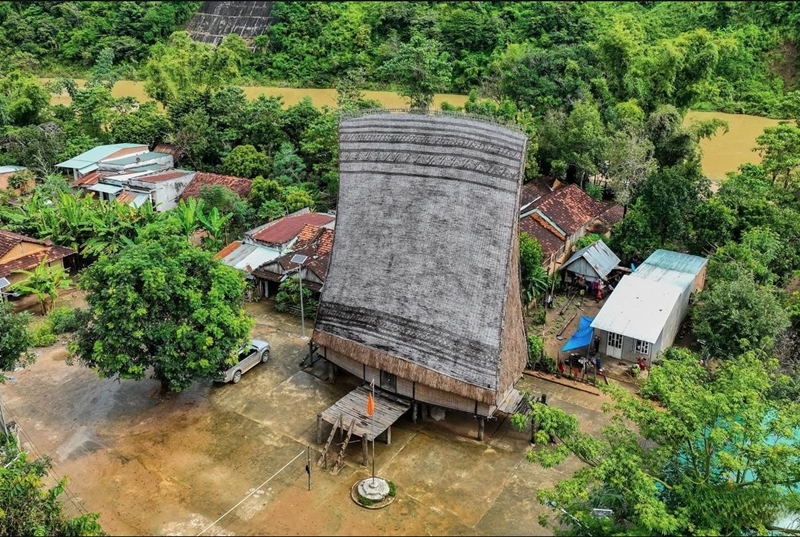
Situated along the Dak Bla River, about 5km from downtown Kon Tum, Kon K’Tu is a focal point of the Central Highlands’ gong culture, featuring dozens of traditional stilt and communal houses (Nha Rong). Ranked among the top 10 most attractive tourism villages by the Vietnam Records Institute, the village offers homestays and experiential tours such as “A day with the village” and “A day as a Bahna person.”
|
|
 |
|
Kon K’Tu cultural village offers homestays and experiential tours, such as “A day with the village” and “A day as a Bahna person.” |
Tourists can immerse themselves in local daily life, experience gong and xoang dance performances, and participate in traditional festivals. Visitors can also taste ethnic minority specialties like bamboo-tube rice, local grilled chicken, and wild vegetables, while engaging in activities such as farming, boating, bamboo weaving, brocade weaving, and wood carving.
Source: Vnexpress
Translated by Minh Anh