In an interview with the Vietnam News Agency ahead of the election of deputies to the 16th National Assembly of Vietnam and People’s Councils at all levels for the 2026–2031 tenure, Pham Do Nhat Quang, an 84-year old overseas Vietnamese in Algeria, noted that the tenure of the 15th N.A. unfolded amid major fluctuations both in Vietnam and around the world.
The outbreak of the COVID-19 pandemic and its impacts, together with global economic difficulties such as inflation, supply chain disruptions and slowing growth, posed significant challenges for many countries.
    |
 |
|
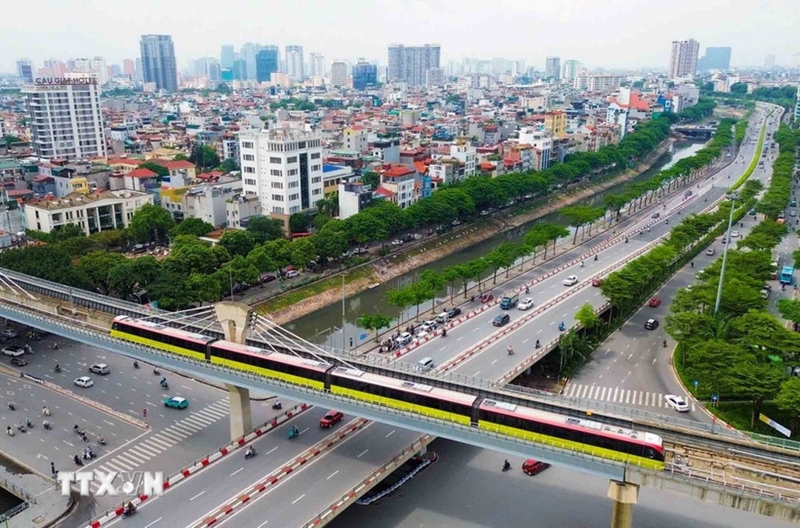
The 15th N.A. makes timely decisions with great significance for the country’s economic recovery. (Photo for illustration) |
Despite these difficulties, he said, Vietnam’s N.A. demonstrated dynamism and adaptability by adopting a range of important policies to support economic recovery and national development.
According to Quang, one of the most notable highlights of the tenure was the approval of major policies aimed at reviving the economy after the pandemic. In particular, the socio-economic recovery and development program worth hundreds of trillions of Vietnamese dong was introduced to assist businesses, accelerate public investment and stimulate consumption.
“These were timely decisions with great significance for the country’s economic recovery,” he said, adding that the policies focused on key areas such as transport infrastructure development, support for small- and medium-sized enterprises, tax and financial reforms, and social welfare protection.
Beyond its legislative role, Quang praised the N.A.’s strengthened oversight activities during the term. Question-and-answer sessions in the legislature were conducted in a more direct and candid manner, allowing deputies to raise specific questions to ministers and heads of government agencies.
Many supervisory activities focused on issues of strong public concern, including real estate market management, petrol price regulation, school textbooks and anti-corruption efforts.
According to Quang, such activities helped enhance transparency and accountability in the State management apparatus.
He also noted that the N.A. has gradually applied technology in its operations. During the pandemic, meetings were held online or in hybrid formats, while electronic voting systems were used to improve efficiency.
These steps demonstrate efforts to promote digital transformation in the operations of the legislative body, helping improve flexibility, save time and enhance effectiveness, he said.
In addition, the N.A. spent considerable time discussing and adopting important laws related directly to socio-economic life, particularly in areas such as land management, improving the business environment, promoting investment and encouraging innovation.
Looking ahead, Quang suggested that the next N.A. could further strengthen its proactive role in law-making. He noted that most legislative initiatives are currently proposed by the Government, while the N.A. mainly discusses and approves them.
Quang stressed the need to accelerate digital transformation in parliamentary activities and develop legal frameworks for emerging sectors such as e-commerce and artificial intelligence.
With the new N.A., he expressed hope for more substantive debates in the chamber, saying that open and multi-dimensional discussions among deputies would help improve the quality of decisions and further affirm the legislature’s role as the highest representative body of the people.
Source: VNA