Viet Nam boasts a rich and diverse culinary heritage shaped over thousands of years and reflecting the cultural identities of its 54 ethnic groups. From royal and traditional cuisine to street food, craft villages and local specialties, the country has abundant resources for tourism development.
    |
 |
|
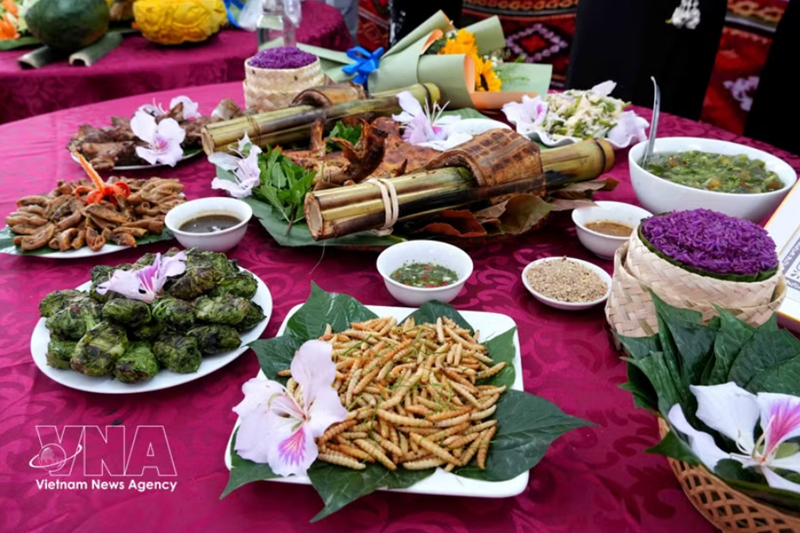
A meal imbued with the distinctive cultural identity of the Thai ethnic community in Dien Bien province |
The Viet Nam National Authority of Tourism (VNAT) has advised the Ministry of Culture, Sports and Tourism to submit to the Government a project on promoting Vietnamese tourism and cuisine abroad for 2026-2030. The project aims to make cuisine a core element in positioning the national tourism brand and improving the competitiveness of Vietnamese destinations, with a goal of making Viet Nam one of Asia’s five most attractive culinary destinations.
The project proposes building a national brand for culinary tourism, developing standardized food streets, completing quality standards, expanding networks of Vietnamese restaurants overseas and promoting Vietnamese cuisine in international markets. It also calls for developing Halal tourism and strengthening cooperation among localities and businesses in creating tourism products.
VNAT Vice Chairwoman Nguyen Thi Hoa Mai said countries such as Japan, Thailand, the Republic of Korea, Italy and China have developed national strategies to promote food tourism, focusing not only on promoting dishes but also on showcasing culinary culture and telling stories of history, customs and national identity.
The Vietnamese project similarly seeks to promote tourism based on culinary culture rather than cuisine alone.
"Every Vietnamese dish has its own historical and cultural values and indigenous knowledge, which could be shared through fascinating stories that would offer visitors deeper experiences," Mai said.
She stressed the need for a unified national strategy to connect and promote initiatives by localities and businesses, helping turn culinary tourism into an important driver of tourism development.
Building professional, sustainable culinary tourism ecosystem
Dr. Hoang Thi Binh, Deputy Director of the Viet Nam Institute of Culture, Arts, Sports and Tourism, said cuisine should be viewed not merely as food but as a cultural resource, creative asset and driver of economic development amid the country's efforts to promote innovation, digital transformation, private-sector development, tourism and cultural industries.
|
|
 |
|
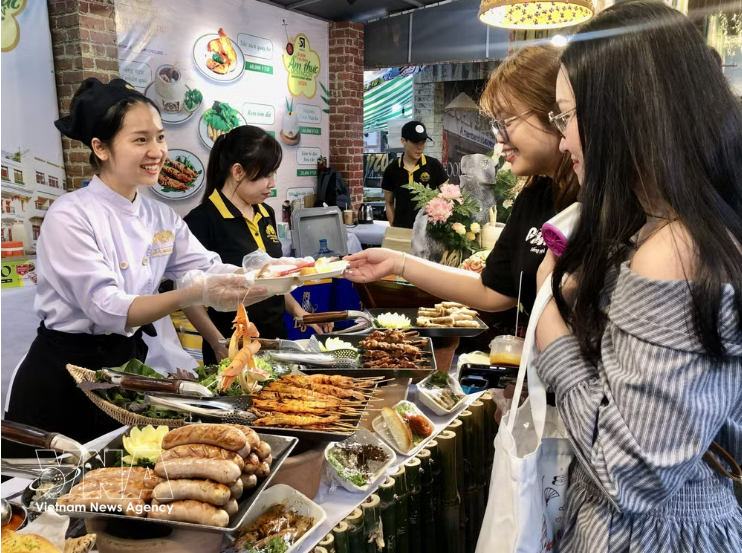
Visitors attend Saigontourist Group Culinary Culture, Delicacies Festival 2026, which takes place in Ho Chi Minh City on March 26. |
She called for food producers and processors to improve quality and food safety while strengthening cultural storytelling, brand building and promotion. The sector should also develop culinary heritage spaces, strengthen human-resource training and promote street food, beverages and multisensory experiences.
Nguyen Thi Lan Huong from the institute’s Tourism Research Department, said culinary tourism is becoming increasingly important as global tourists seek authentic, personalized and culturally distinctive experiences.
She suggested shifting from "selling food" to "building co-created experiences", allowing visitors to participate in cooking, explore craft villages and traditional markets, and interact with artisans.
Such experiences can enhance visitor satisfaction, preserve culinary heritage, create sustainable livelihoods for communities and improve Viet Nam’s tourism competitiveness.
Le Thi Kim Phuong, Rector of Hoa Sua School of Economics and Tourism, said cuisine is a major competitive advantage for Viet Nam but service quality and comprehensive standards are essential to turning culinary diversity into competitive and sustainable tourism products.
She called for standardized criteria and procedures for culinary tourism products, better human-resource training and closer links among management agencies, businesses, training institutions and communities.
Digital transformation should also be accelerated in promotion and quality management, towards professional and sustainable culinary tourism, Phuong said.
Source: VNA