    |
 |
|
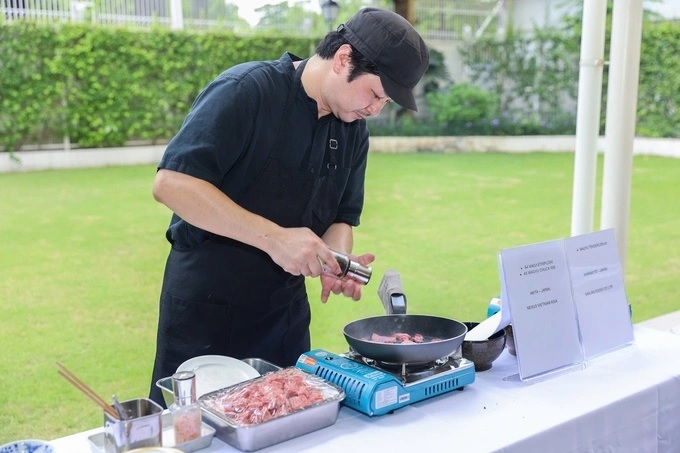
Chef Shuto shows how to pan-sear Wagyu beef during the event. |
The Japan External Trade Organization (JETRO) Ho Chi Minh City Office, in cooperation with the Consulate General of Japan in Ho Chi Minh City, has hosted a Japanese culinary culture event that offered chefs, food experts, and guests an opportunity to explore Washoku, Japan’s traditional cuisine recognized by UNESCO as Intangible Cultural Heritage of Humanity.
During the event, Chef Shuto highlighted kombu, or dried kelp, one of the most essential ingredients in Japanese cooking. Although kombu broth has a subtle flavor, he said it enhances the natural taste of other ingredients rather than overpowering them. “That reflects the spirit of harmony that is central to Japanese cuisine,” he said.
According to Chef Shuto, the essence of Washoku lies not in cooking techniques, but in respect for ingredients, producers, and diners. He emphasized that appreciation for ingredients, a desire to bring enjoyment to guests, and the spirit of Omotenashi hospitality form the foundation of Japanese food culture.
|
|
 |
|
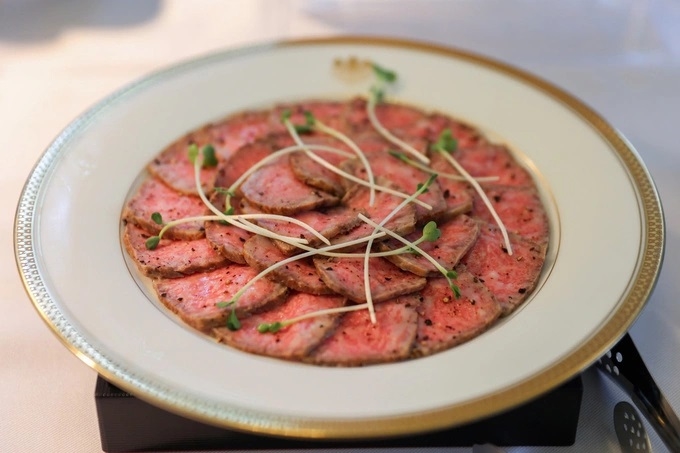
Pan-seared Wagyu beef served to guests at the event |
He also noted that Vietnamese and Japanese cuisines share many similarities, particularly their emphasis on natural flavors and umami. This common appreciation has contributed to the growing popularity of Japanese ingredients in Vietnam.
One dish that impressed Chef Shuto featured pan-seared white fish served with a sauce made from miso, yuzu, and lemongrass. The combination of Japanese ingredients and local flavors created a unique experience while preserving the essence of Washoku.
Nguyen Ba Phuoc, Japan Culinary Culture Ambassador to Vietnam, said the defining characteristics of Washoku are its respect for nature and seasonality. Having spent more than a decade studying and working in Japan, he noted that Japanese chefs strive to preserve the original flavors of ingredients rather than masking them with excessive seasoning.
He added that Vietnamese understanding of Japanese cuisine has expanded significantly in recent years. While sushi and sashimi were once the most familiar dishes, many diners are now interested in dashi, omakase, kaiseki cuisine, and seasonal ingredients. Consumers increasingly seek information about ingredient origins, harvest seasons, production regions, and the cultural stories behind each dish.
|
|
 |
|
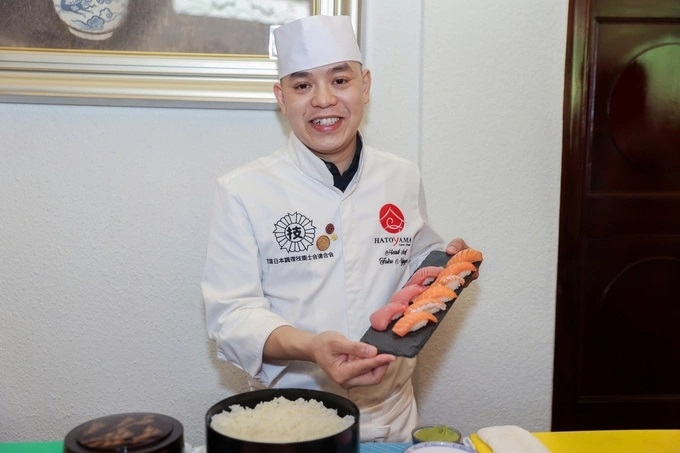
Nguyen Ba Phuoc, Japan Culinary Culture Ambassador to Vietnam, poses with a plate of freshly prepared salmon and tuna sushi. |
“This shows that the Vietnamese people are embracing Japanese cuisine as a cultural experience rather than simply a dining choice,” Phuoc said, adding that cooking demonstrations, tasting sessions, and experiential workshops are effective ways to introduce Japanese culture to a wider audience.
Both Vietnamese and Japanese chefs agreed that cuisine engages all the senses. By tasting dishes or watching chefs at work, diners can gain a deeper appreciation of the culture, history, and dedication behind every meal.
Ono Masuo, Consul General of Japan in Ho Chi Minh City, also described cuisine as one of the most effective channels for cultural exchange between the two countries. Alongside manga, anime, and fashion, Japanese food and beverages are helping Vietnamese people better understand Japanese society and culture.
|
|
 |
|
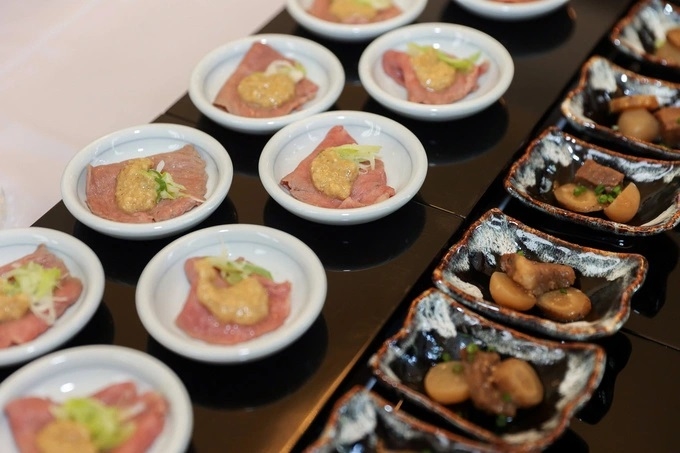
A variety of traditional Japanese dishes embodying the essence of Washoku prepared and served on-site |
“Through food and beverages, we hope to deepen mutual understanding and further strengthen friendship and cooperation between our two peoples,” he said.
Translated by Tran Hoai