The visit provided an opportunity for the delegation to directly inform U.S. friends about the long-term consequences of AO/dioxin in Viet Nam and seek the support of progressive groups, veterans, legal experts and youth organizations in efforts to care for the victims.
    |
 |
|
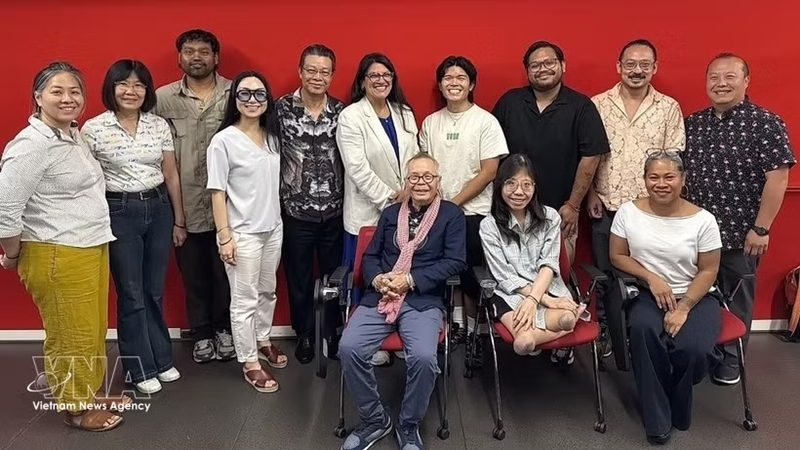
The delegation meets with progressive friends in the U.S. |
The delegation met with representatives of the Viet Left Power, Viet Nam Agent Orange Relief & Responsibility Campaign (VAORRC), VietLead, Southeast Asian Freedom Network (SEAFN), Mekong and several other U.S. social and youth organizations. Son, who is also Vice Chairman of the Viet Nam Association for Victims of Agent Orange/dioxin (VAVA), shared the association's efforts in providing health care, rehabilitation, livelihood support, vocational training and scholarships, improving housing conditions, and protecting the legitimate rights and interests of victims.
The delegation also shared a victim-centered approach that goes beyond addressing immediate difficulties, creating conditions for victims to develop their capabilities, gain confidence, integrate into the community and make meaningful contributions to society.
At the meeting, Tlaib said she would continue to pay attention to and support policy advocacy efforts concerning people affected by AO/dioxin and efforts to improve health care for U.S. veterans. She underscored the need to expand the support network in the U.S. Congress and strengthen coordination among lawmakers, VFP, social organizations and the Asian American community.
The congresswoman also highlighted the importance of engaging younger generations in raising awareness of the consequences of war, the impact of toxic chemicals on people and the environment, and the shared responsibility to heal the wounds of war.
The parties agreed on the need to further raise public awareness, particularly among young people in the U.S., of the severe legacies of AO/dioxin in Viet Nam, Laos and Cambodia. The discussions highlighted a shared sense of understanding and responsibility among Vietnamese victims, U.S. veterans, legal experts, social organizations and young people in the Vietnamese community in the U.S. This provides an important basis for expanding humanitarian advocacy, promoting legislative initiatives, mobilizing resources and developing practical support programs for victims.
Earlier, speaking at the VFP National Convention, Son expressed his appreciation for the longstanding support extended by the VFP and U.S. friends to VAVA. He called on partners to continue supporting health care, rehabilitation, education and livelihood programs and efforts to improve the quality of life of victims, particularly children and young people.
Source: VNA