Unlocking potential and creating new visitor experiences
The Resolution of the 20th Thanh Hoa provincial Party Congress for the 2025-2030 tenure identifies tourism as one of the province’s three development pillars. During 2021-2026, the province is estimated to have welcomed more than 58.57 million visitors, including over 2.45 million international arrivals, with average annual growth of 17.3 percent. It has approved 51 of its 57 tourism development plans and attracted 77 investment projects with nearly VND 155 trillion in registered capital.
    |
 |
|
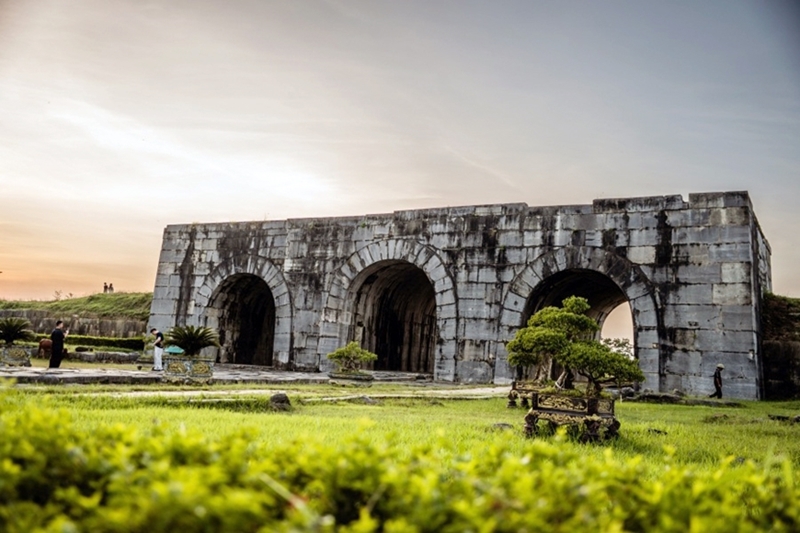
The Citadel of the Ho Dynasty in Tay Do commune is a UNESCO World Heritage Site and a valuable resource for cultural and historical tourism in Thanh Hoa. |
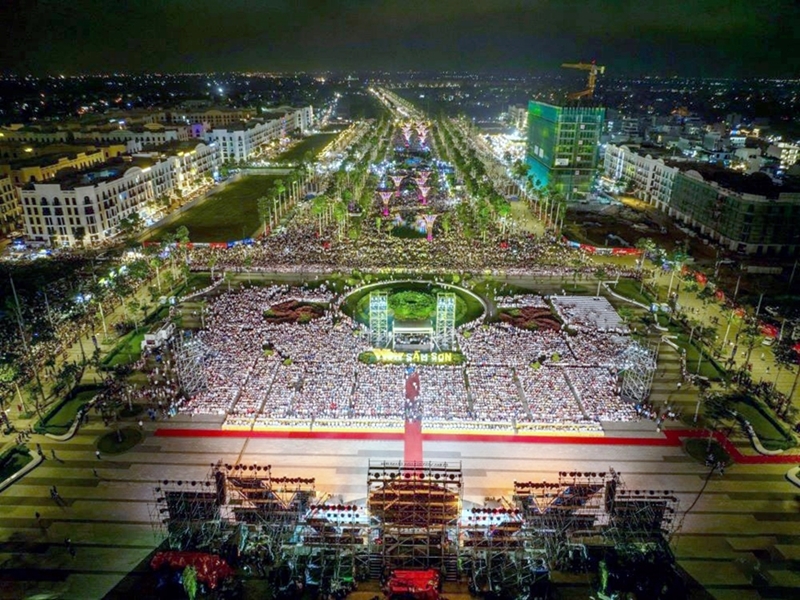
Investment has helped diversify tourism offerings, particularly in Sam Son, where the Sea Square, Sun Grand Boulevard, Sun World entertainment park, and new hotels and services have expanded options beyond traditional beach holidays, helping extend the tourism season.
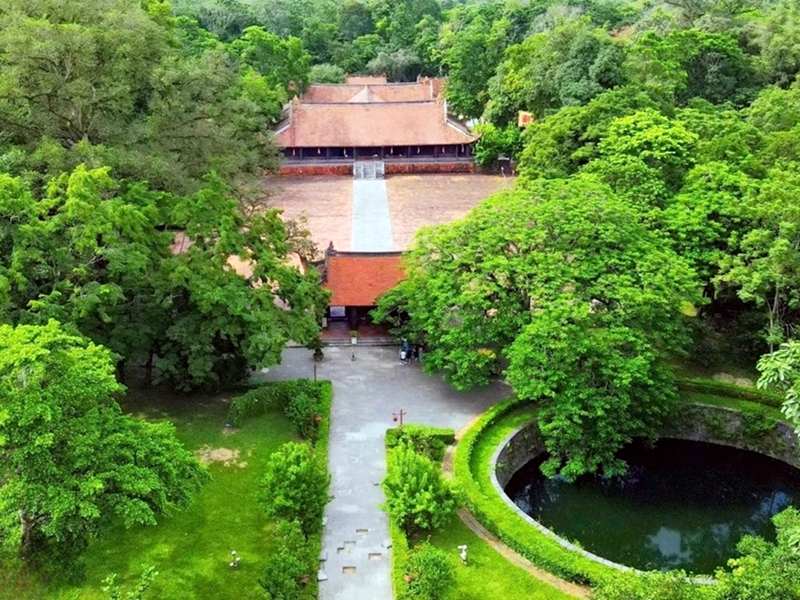
Thanh Hoa also has considerable potential in cultural, historical, ecological, and community-based tourism, with destinations such as the Ho Dynasty Citadel, Lam Kinh, spiritual sites, craft villages, and mountainous communities. Better links among these attractions could create distinctive itineraries and more engaging visitor experiences.
|
|
 |
|
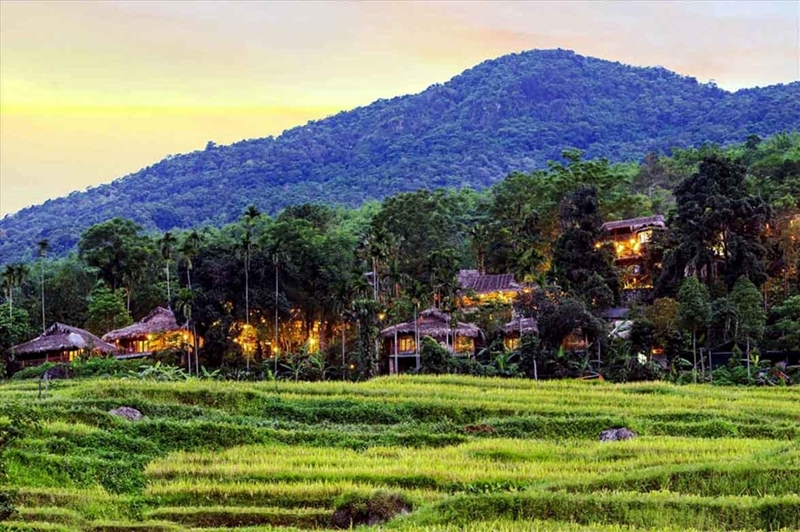
Community-based tourism in Pu Luong is attracting increasing numbers of visitors, creating livelihoods and employment opportunities for local people. |
In Pu Luong commune, community-based ecotourism is generating jobs and income for local residents. In the first 11 months of 2026, the locality has welcomed 258,500 visitors, including 75,100 international arrivals, and earned an estimated VND 284.2 billion. It has 71 accommodation establishments with 670 rooms and 54 traditional stilt-house homestays, providing direct and indirect employment for around 1,100 people. Two brocade-weaving villages have also been maintained and linked to OCOP products.
Bui Thi Hoa, Secretary of the Pu Luong commune Party Committee, said residents must be at the center of tourism development, both as service providers and custodians of local cultural identity. The locality encourages them to develop accommodation, food services, handicrafts, and agricultural products linked to local experiences, while strengthening skills training, environmental protection, and management to ensure tourism growth goes hand in hand with conservation.
Addressing bottlenecks and improving development efficiency
Despite rising visitor numbers, Thanh Hoa has yet to fully tap its tourism potential. Visitor spending and length of stay remain low, international arrivals account for a small share, and beach tourism is still seasonal. Many destinations also lack year-round attractions, while transport infrastructure, supporting services, and workforce quality need further improvement.
To make tourism a pillar of the economy, the province needs to focus on increasing visitor spending and extending stays through linked products combining beaches, heritage, ecotourism, community experiences, culture, and cuisine. Priorities also include upgrading transport and tourism infrastructure, improving connections with neighboring Nghe An and Ha Tinh provinces, expanding international and southern domestic markets, and applying digital technology to promotion and destination management.
|
|
 |
|
Preserving and responsibly developing the Lam Kinh special national relic site can support cultural and historical tourism. |
Thanh Hoa has approximately 57,800 tourism workers, including 47,750 who have received professional training. Further efforts are needed to improve their skills, foreign-language proficiency, and service standards, particularly in community-based tourism. Development must also go hand in hand with protecting natural resources and cultural identity, with local residents playing an active role in both providing services and preserving local values.
|
|
 |
|
Sam Son Sea Square provides a venue for cultural and tourism events, helping diversify tourism products and extend visitors’ stays. |
The province is implementing its Tourism Development Program 2026 and preparing a development project through 2030, with a vision to 2035, focusing on product development, promotion, workforce training, and improving the tourism environment. Le Van Dung, Deputy Head of the Tourism Management Division under the Thanh Hoa Department of Culture, Sports and Tourism, said the sector would work with localities to mobilize resources, renew promotional activities, and expand international and southern domestic markets.
Tourism will become a sustainable economic pillar only when it generates greater value, creates stable jobs and incomes, and supports related sectors. This requires Thanh Hoa to improve product quality and management while ensuring local community benefit from development.
Translated by Quynh Oanh