The date carries special historical significance. On November 24, 1946, more than 200 prominent intellectuals, artists and cultural figures from across the country gathered at the Ha Noi Opera House for the first National Culture Conference, chaired by the late President Ho Chi Minh, just over a year after Viet Nam gained independence. At the conference, President Ho Chi Minh affirmed that “Culture must light the way for the nation.” His statement later became a guiding principle for the development of Viet Nam’s new culture.
    |
 |
|
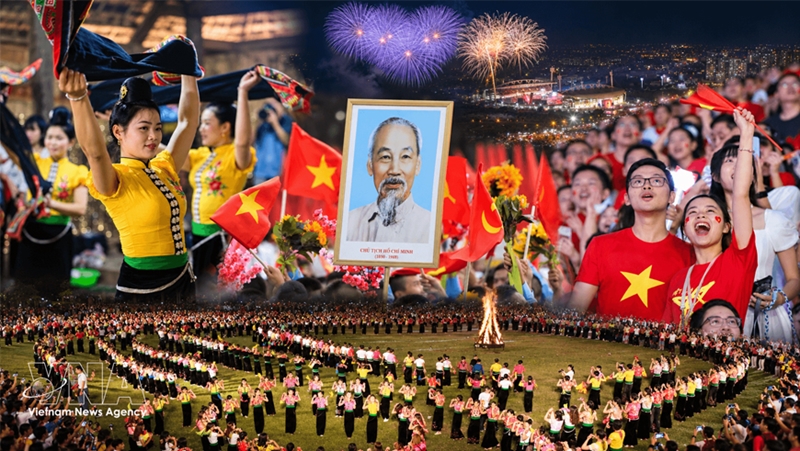
November 24, 2026 marks the first time Vietnamese people will enjoy an official public holiday dedicated specifically to culture, rather than a historical victory, National Day or the Lunar New Year. A wide range of cultural activities and festivals are being organized nationwide to give the public opportunities to celebrate the occasion. |
Eighty years later, this historic date has been designated as Viet Nam Culture Day. On January 7, 2026, on behalf of the Politburo, General Secretary of the Communist Party of Viet Nam Central Committee To Lam signed Resolution No.80-NQ/TW on the development of Vietnamese culture, designating November 24 each year as Viet Nam Culture Day, a public holiday on which employees receive their full pay.
The resolution aims to give people greater access to cultural and artistic activities, encourage artists and cultural practitioners to create, and promote cultured and civilized lifestyles throughout society.
On April 24, the National Assembly adopted Resolution No.28/2026/QH16 on the development of Vietnamese culture, which took effect on July 1, institutionalizing the policy. The resolution allows free or reduced admission to public cultural and sports facilities on November 24, encourages young people to participate in cultural activities, and sets a target of allocating at least 2% of total State budget expenditure to culture.
|
|
 |
|
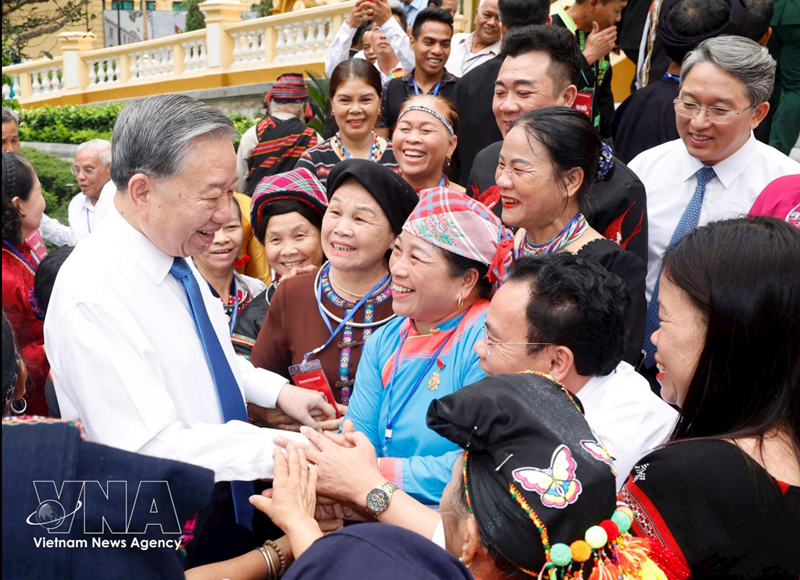
General Secretary of the Communist Party of Viet Nam Central Committee and President To Lam meets with village elders, community leaders, artisans, and prominent figures of ethnic minorities from nationwide in Ha Noi on April 18, 2026. |
Minister of Culture, Sports and Tourism Lam Thi Phuong Thanh said the legislature adopted Resolution No. 28 without waiting for amendments to the Labor Code, allowing the new holiday to be implemented nationwide in time for the meaningful year of 2026.
Analyzing the deeper significance of Viet Nam Culture Day, Dr. Nguyen Viet Chuc, former Vice Chairman of the National Assembly’s Committee for Culture, Education, Youth, Adolescents and Children (now the Committee for Cultural and Social Affairs), affirmed that the establishment of the holiday reflects the strategic vision of the Party and State in placing culture at the heart of national development.
Culture, he noted, is fundamentally about people, who have been identified as the center of all policies in the Resolution of the 14th National Party Congress and by Party General Secretary and President To Lam.
According to Chuc, bringing Viet Nam Culture Day into public spaces is not merely about organizing superficial cultural activities, but about allowing culture to permeate every aspect of social life.
|
|
 |
|
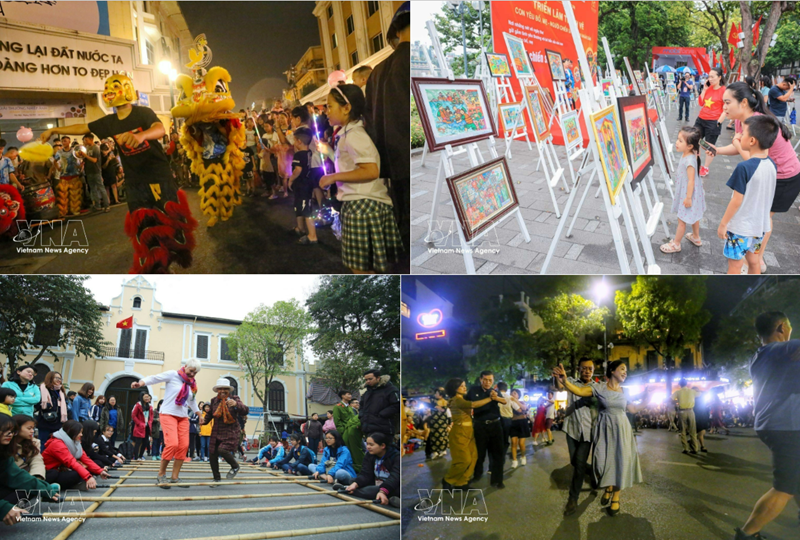
Domestic and international visitors take part in cultural activities at the Hoan Kiem Lake pedestrian zone in Ha Noi. |
November 24 - A national cultural celebration for all
To ensure that Viet Nam's annual Culture Day truly becomes an occasion for people to enjoy and participate in cultural activities, Deputy Prime Minister Pham Thi Thanh Tra on September 22 called for a major shift in its organization, moving celebrations from halls to public squares, pedestrian streets, heritage sites, museums, parks and community cultural centers. Under the new approach, people, artists, intellectuals, businesses and younger generations are both creators and beneficiaries of culture, with success measured by public access to cultural activities and their social impact.
Tra stressed that November 24 should become a day people look forward to and actively participate in. Activities should reach communes, wards, villages and residential areas, while museums, libraries, theatres, cinemas and heritage sites are encouraged to extend opening hours and offer free or discounted admission, particularly on the day itself.
Across the country, localities have organized a range of activities. In Ha Noi, the “Vietnamese Culture Day in Hanoi” program took place from November 21 to 24 on pedestrian streets around Hoan Kiem Lake, encouraging families and young people to engage in cultural activities and promote the capital's heritage.
|
|
 |
|
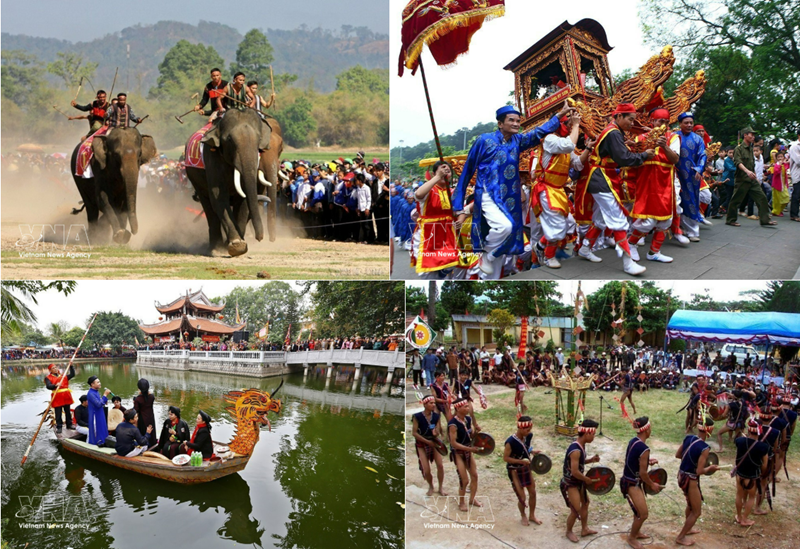
Cultural and artistic activities are taking place across Viet Nam. |
In the Central city of Hue, a series of cultural events were held in the week leading up to November 24. An opening ceremony and artistic program marking the occasion took place at Phong Nha - Ke Bang National Park in Quang Tri province, combining cultural activities with heritage tourism promotion. Meanwhile, Thanh Hoa province offered free admission to the Ho Dynasty Citadel World Heritage Site and Lam Kinh Special National Relic on November 23 and 24. Ho Chi Minh City organized book fairs, while Quang Ninh city focused on bringing activities to grassroots communities, remote and ethnic minority areas, alongside experiential tourism programs at heritage sites and traditional craft villages.
Cultural festival - A joy and responsibility for all
Assoc. Prof., Dr. Do Hong Quan, Chairman of the Viet Nam Union of Literature and Arts Associations, described November 24 as an invaluable spiritual gift for the public and an occasion of special significance to artists.
People's Artist Vuong Duy Bien, Vice Chairman of the Union and Chairman of the Viet Nam Cultural Industry Development Association, said that culture originates from the people and must ultimately return to them. He stressed the importance of high-quality artistic programs and accessible activities that encourage broad public participation.
|
|
 |
|
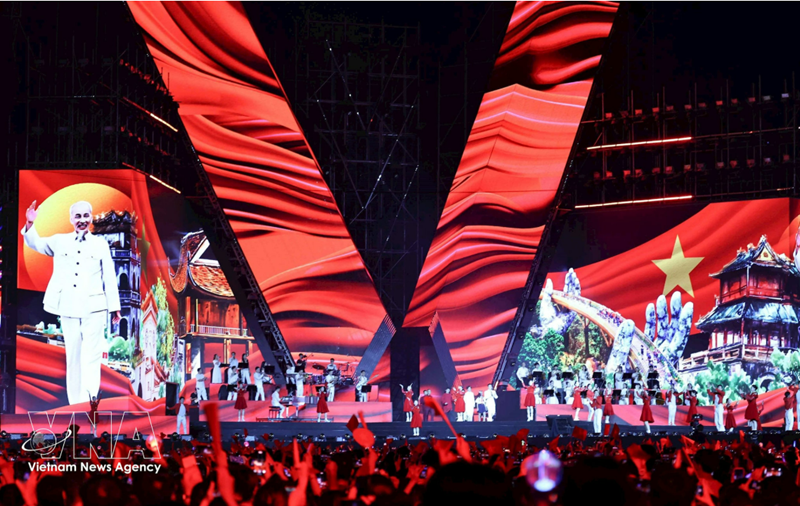
The political-art program “Fatherland in Our Hearts” marks the 80th anniversary of the August Revolution (August 19) and National Day (September 2). |
Assoc. Prof., Dr. Bui Hoai Son, Vice Chairman of the Party Central Committee's Commission for Publicity, said November 24 will become more meaningful if it expands access to culture, particularly for workers, remote communities and disadvantaged groups. He proposed bringing activities to libraries, community centers, industrial parks and craft villages, while expanding free or discounted access and ensuring facilities accommodate people with disabilities.
Son emphasized that for Viet Nam Culture Day to become a lasting annual event and eventually a national cultural brand, it must convey a simple but powerful message that culture belongs to everyone, and everyone has a responsibility to make it better.
He expressed his hope for a shared national cultural space that respects regional and community diversity, where localities showcase their heritage, arts, cuisine and creative products, schools help students explore national traditions, and museums, libraries, theatres and heritage sites become open meeting places.
Every business and citizen, he added, can contribute through responsible practices and concrete everyday actions.
Source: VNA