November 15, 2026 | 16:22 (GMT+7)
Unique historical site of Gian Gua in Can Tho
PANO - Located in the peaceful countryside of Can Tho city, the Gian Gua Historical Site in Nhon Ai commune is known for its large grove of gua trees, whose trunks, branches, and roots grow intertwined. The site is not only a unique natural attraction, but also preserves stories about the early settlement and development of the local area.
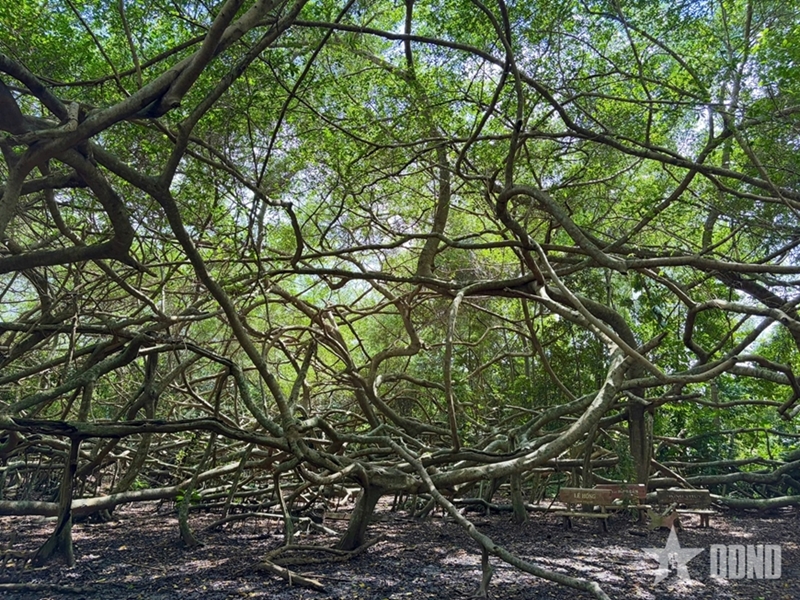
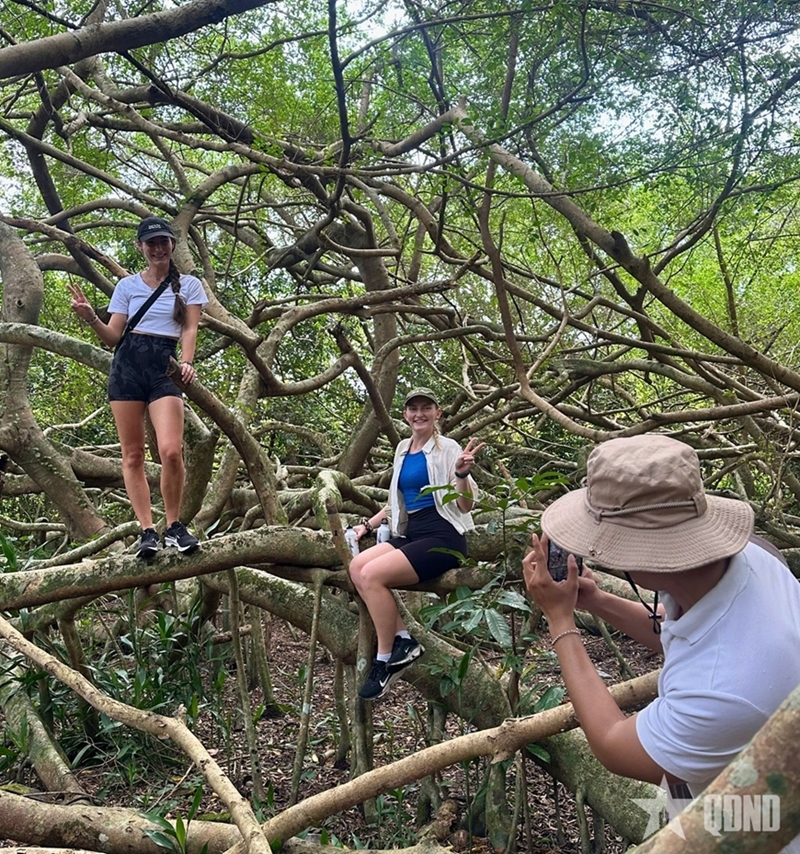
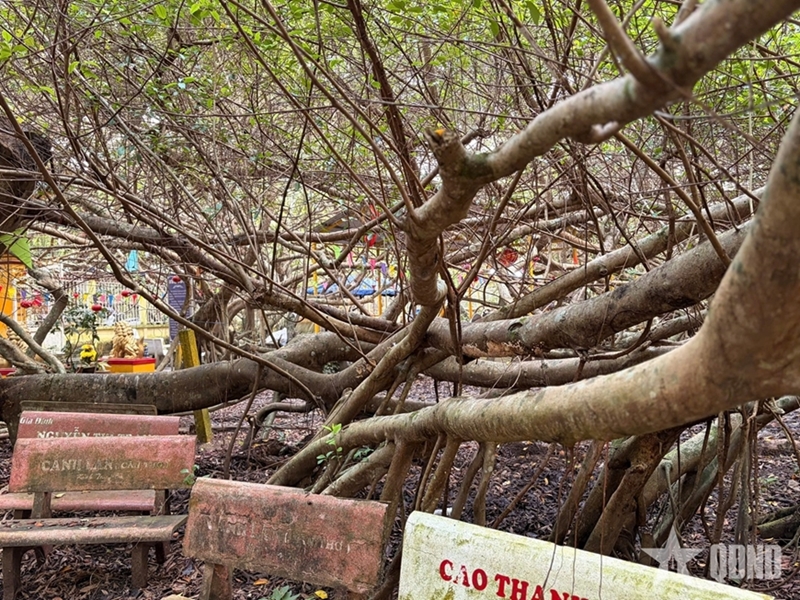
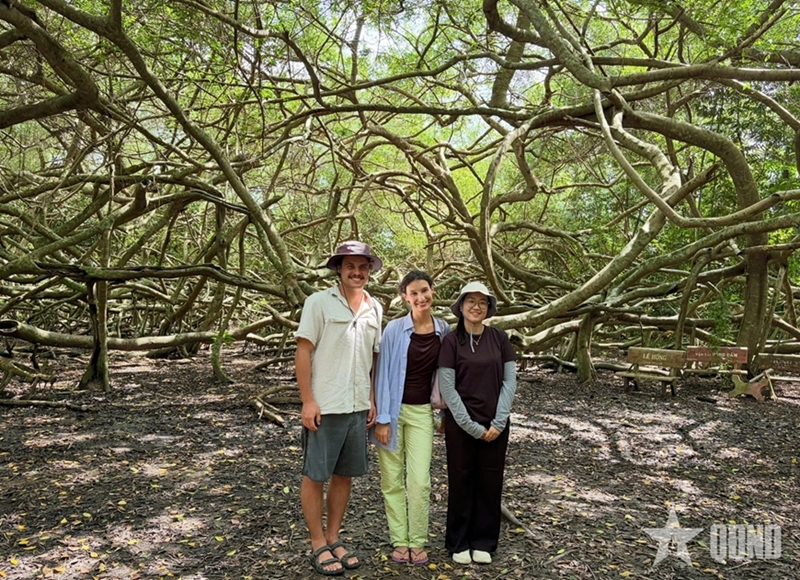
Visitors to Gian Gua can see large trees and branches growing across one another, forming a natural canopy. The green surroundings and shaded paths create a cool and peaceful atmosphere.
Nguyen Thi Gioi, 74, who has lived in the Gian Gua area for more than 40 years, shared that during the early days of land reclamation, a Nguyen family came here to settle. While clearing the land, the gua grove caught fire and was badly damaged. Not long afterward, many local residents suffered from an unusual illness. Despite seeking treatment, they did not recover. Later, a spiritual healer came from another place and treated the villagers. He advised them to replant the gua tree and maintain regular offerings. The grove gradually recovered, and the name Gian Gua came into use. Since then, it has become closely associated with local life.
Gian Gua is also a popular destination for visitors. Vo Nguyen Minh Huy, a visitor from Dong Thap province, said that he was surprised to see so many gua branches growing together to form such a large area. The scenery was beautiful and green. He thought this was a place worth visiting when traveling to Can Tho.
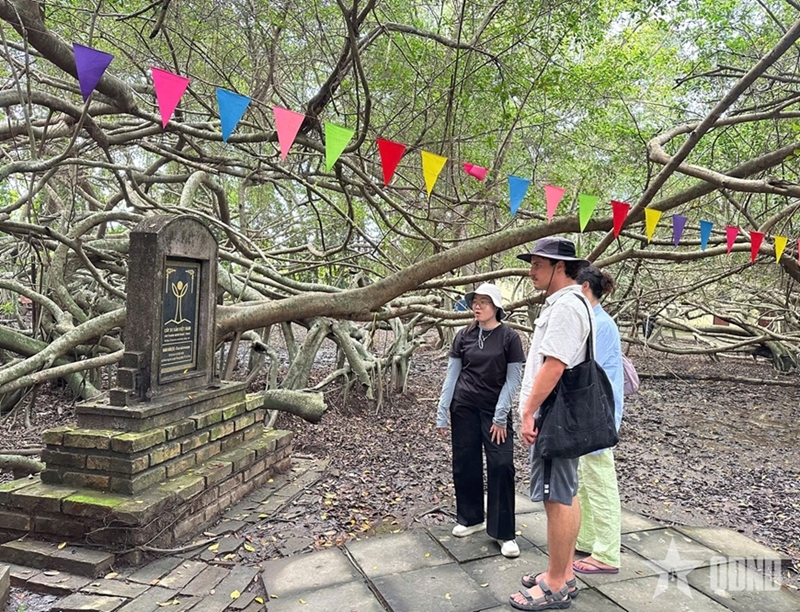
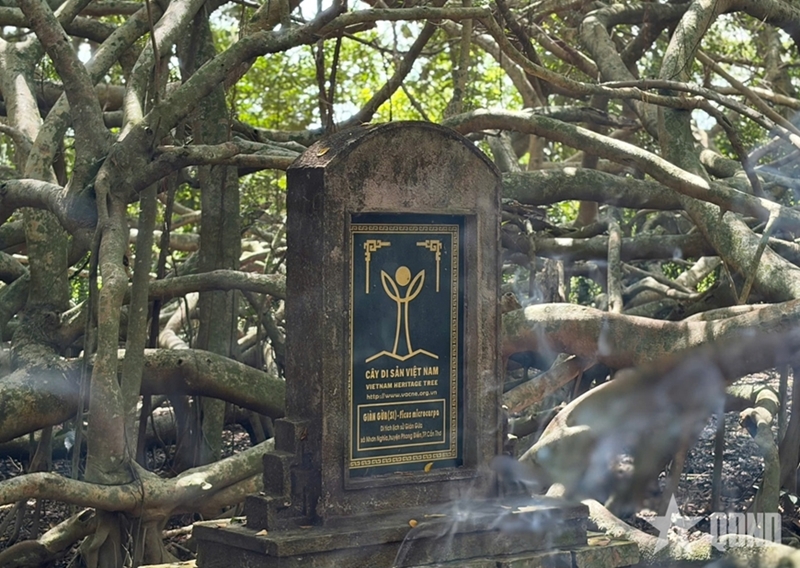
On April 5, 2013, the Can Tho municipal People’s Committee recognized Gian Gua as a city-level historical site.
    |
 |
|
Visitors learn about the recognition and preservation of the site. |
|
|
 |
|
An ancient gua tree recognized as a Viet Nam Heritage Tree. |
|
|
 |
|
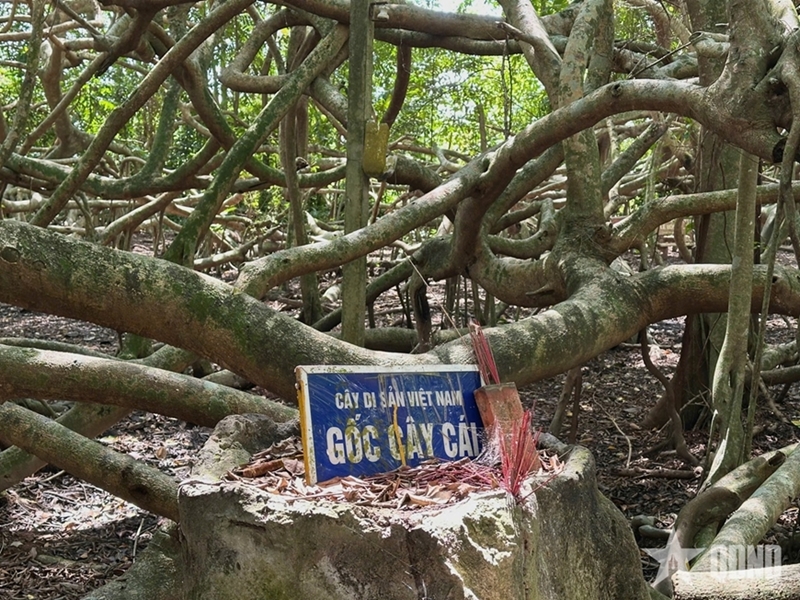
A section of the trunk of the main gua tree |
|
|
 |
|
The gua grove, with its large branches growing and intertwining across the site |
|
|
 |
|
Visitors take photos near the ancient gua tree. |
|
|
 |
|
Gua branches grow and intertwine to form unusual natural shapes. |
|
|
 |
|
Visitors explore the site and take photos. |
Translated by Quynh Oanh