In an interview with the Viet Nam News Agency (VNA), Dr. Dang Vu Canh Linh, Deputy Director of the Institute for Training, Fostering Cadres and Scientific Research under the VFF Central Committee, said the message was particularly relevant amid the profound changes, intensifying competition and uncertainties facing the world.
He highlighted three closely interconnected issues in the speech: safeguarding peace based on respect for independence and sovereignty; promoting people-centered development; and strengthening self-reliance alongside proactive international cooperation. These, he said, reflected the relationship between the conditions for development, its objectives and the capacity to achieve them.
    |
 |
|
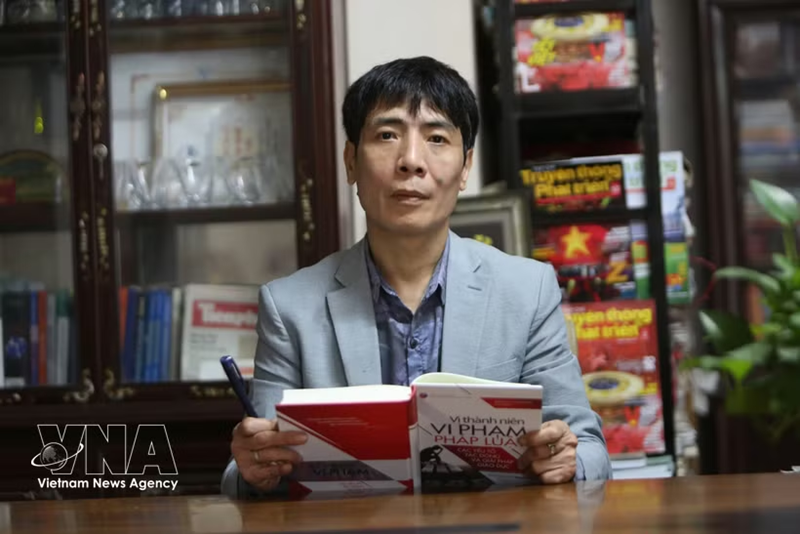
Dr. Dang Vu Canh Linh, Deputy Director of the Institute for Training, Fostering Cadres and Scientific Research under the VFF Central Committee |
Regarding peace, Linh said the speech demonstrated Viet Nam’s consistent principles and its spirit of dialogue and cooperation in addressing international issues. Sustainable peace requires respect for the independence, sovereignty and legitimate interests of countries, while dialogue should be maintained despite differences and cooperation should be based on equality and compliance with international law.
He noted that the speech’s reference to the East Sea (aka South China Sea) reflected this approach, with Viet Nam persistently pursuing peaceful settlement of disputes in accordance with international law, particularly the 1982 United Nations Convention on the Law of the Sea, while firmly protecting its sovereignty, sovereign rights and jurisdiction. These two requirements, he said, are consistent with one another in safeguarding national interests while maintaining a peaceful, stable and cooperative regional environment.
The expert also highlighted the speech’s emphasis on linking economic growth with social progress, equality, environmental protection and people’s livelihoods. He said development should be assessed by whether growth expands people’s opportunities to live, study, work and enjoy better lives, especially among vulnerable groups.
He cited energy transition as an example, saying such programs should be assessed not only in terms of emissions reduction but also whether workers receive retraining, have alternative livelihoods and whether people can access energy at reasonable costs.
He further underscored the importance of linking strategic autonomy with proactive integration and equal cooperation. Viet Nam’s participation in U.N. peacekeeping operations, he said, demonstrates this approach, as the country has moved from receiving support for reconstruction and development to actively contributing personnel, experience and responsibility to common international efforts.
On science, technology, digital transformation and artificial intelligence (AI), Linh said the speech presented a strategic vision consistent with the development orientations set out in the Documents of the 14th National Party Congress. He stressed that technological development should go hand in hand with national sovereignty, social progress and equality, and responsibility for humanity’s future.
As technology increasingly affects production, governance and daily life, technological governance has become an important component of national governance and requires stronger international coordination and shared responsibility, he said.
Linh noted that technological progress does not automatically generate social equality. Countries with better infrastructure, data, human resources and research capacity have greater opportunities to benefit from AI, while those lacking such conditions risk continued dependence. He therefore called for global institutions, ethical standards and oversight mechanisms to be developed alongside technological advancement, ensuring people’s rights and legitimate interests.
For Viet Nam, he said this approach is closely aligned with the spirit of Resolution No.57-NQ/TW of the Political Bureau, which calls for the development of science, technology, innovation and digital transformation alongside institutional reform, investment in people and stronger self-reliance.
Hosting the signing ceremony for the U.N. Convention against Cybercrime in Hanoi in 2025 demonstrated Viet Nam’s proactive role in building a safe digital environment, he noted, stressing that this spirit should continue to be promoted through cooperation in AI, data and emerging technologies.
Regarding the speech’s broader message, Linh said global changes are inevitable, but their direction depends largely on countries’ awareness, choices and responsible actions. He stressed that each country should align its legitimate interests with those of the international community, respect other nations’ rights and development opportunities, and share responsibility for global peace and sustainable development.
The expert said the four major orientations in the speech — respect for international law and restoration of trust; fair, humane, inclusive and sustainable development; responsible technological governance; and stronger multilateralism and the central role of the U.N. — form a unified whole aimed at ensuring that all countries have a voice, all peoples have development opportunities, and people can enjoy tangible development gains.
The message also reflects Viet Nam’s consistent foreign policy of independence, self-reliance, peace, friendship, cooperation and development, and multilateralization and diversification of external relations, Linh stressed.
Source: VNA