After a decade of mobile data-driven growth, the global telecom sector has entered a maturity phase. Reports from GSMA and international firms show revenues rising only at low single-digit rates, with growth stalling or declining in many developed markets. This trend was echoed in a March 2025 PwC report at the Mobile World Congress in Barcelona, which projected average annual revenue growth of just 2.9%, highlighting the industry's structural challenges.
    |
 |
|
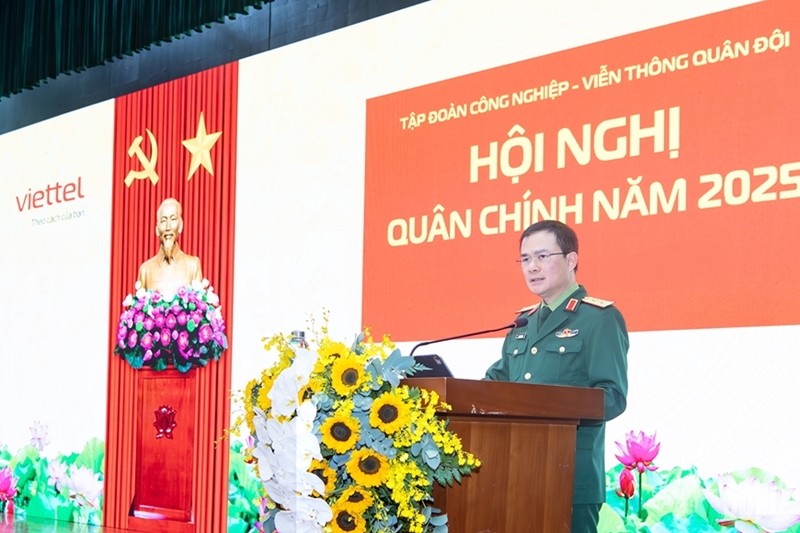
Lt. Gen. Tao Duc Thang speaks at the conference reviewing the group’s task performance in 2025. |
While many telecom giants are scaling back international operations to protect domestic profits, Viettel has defied the trend. At its 2025 review, the group reported overseas revenue growth of 23.9%, roughly seven times the global average.
Overseas revenue reached USD 3.34 billion, marking Viettel’s ninth consecutive year of double-digit international growth. This consistency is notable given that most of its operations are in developing countries with higher economic and political risks.
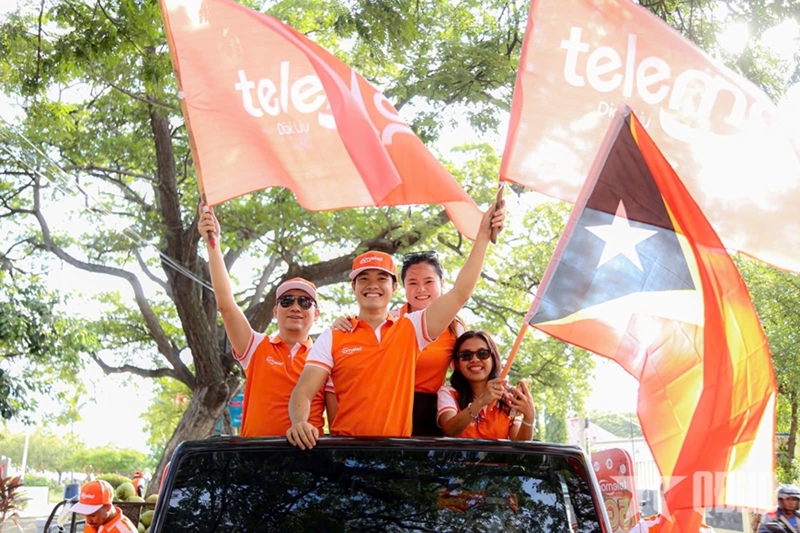
The group’s global scale also expanded, with international mobile subscribers reaching 56 million, officially surpassing its domestic base in Vietnam. Viettel now leads the market in seven of its ten investment destinations: Laos, Cambodia, Myanmar, Timor-Leste, Burundi, Haiti, and Mozambique.
Financial returns have strengthened accordingly. In 2025, Viettel repatriated USD 385.5 million, exceeding its annual target by 20%. With an overall investment payback ratio of 91%, the group achieved its return-on-investment goals ahead of schedule. Even in Peru's highly competitive market, Viettel rose to second place two years earlier than planned, outperforming major global rivals.
Going global through distinctive approach
These results stem from a long-term strategy rooted in local expertise rather than temporary market cycles. Viettel consistently enters high-barrier, underdeveloped markets with strong connectivity demand. Haiti is a prime example; launching in 2010 amidst earthquake recovery, Viettel prioritized sustained commitment over short-term gain. By targeting developing economies instead of saturated markets, the group captures growth while driving socioeconomic development and delivering tangible benefits to local communities.
|
|
 |
|
Among the ten countries in which Viettel has invested, it currently holds the number one market position in seven. |
Localization remains a pillar of Viettel’s overseas strategy. By tailoring brands, pricing, and business models to local conditions, Viettel has expanded its customer base and competitiveness. Alongside telecom, the group introduced digital platforms like e-wallets, e-government, and online education to broaden access to essential tools.
Operationally, Viettel ensures a long-term presence by deploying personnel to collaborate with local partners, fostering cultural understanding and sustainable cooperation. Beyond commerce, the group invests in community programs for education and healthcare, with several units recognized for their contributions to sustainable development.
As the industry seeks new growth models, Viettel’s success proves the viability of long-term investment in challenging markets. By aligning business performance with social development, the group continues to enhance the global standing of Vietnamese enterprises.
Translated by Tran Hoai