    |
 |
|
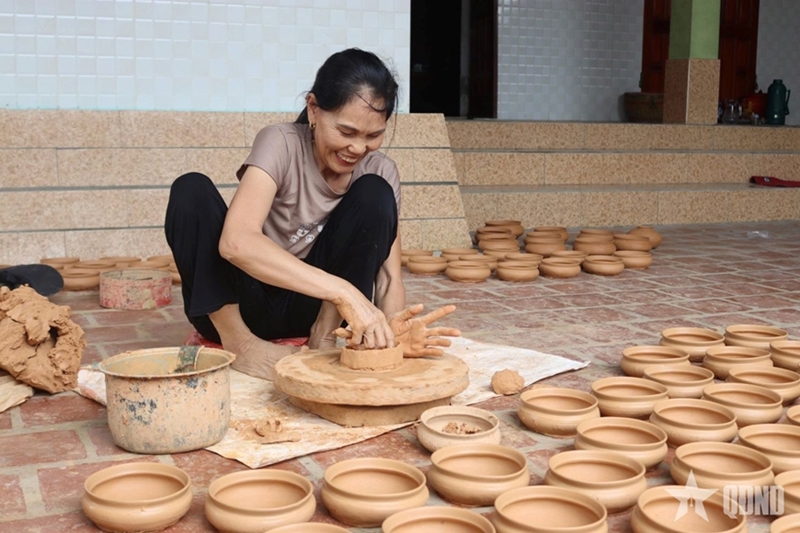
Nguyen Thi Hong diligently shapes clay pots. |
|
|
 |
|
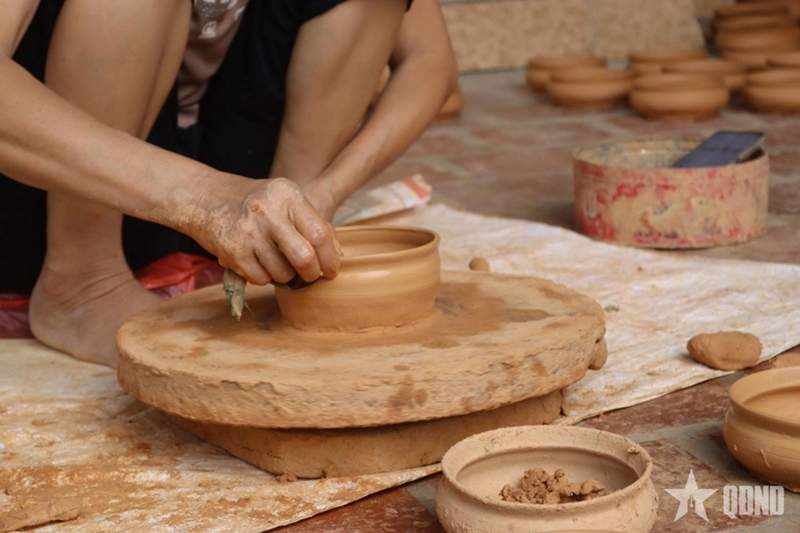
Each pot is crafted with care and precision. |
The trade of the village dates back to the 17th century, born from daily cooking needs of local residents. Such simple kitchenware has gradually evolved into a cultural hallmark, closely tied to material and spiritual life of generations of locals.
The clay used is special, sourced from alluvial deposits along the Dao and Lam rivers. After being sun-dried and purified, it is carefully kneaded before shaping. On the wheel, lifeless clay transforms into pots, pans, and jars. Each movement demands precision; therefore, a slight misstep can ruin both form and spirit.
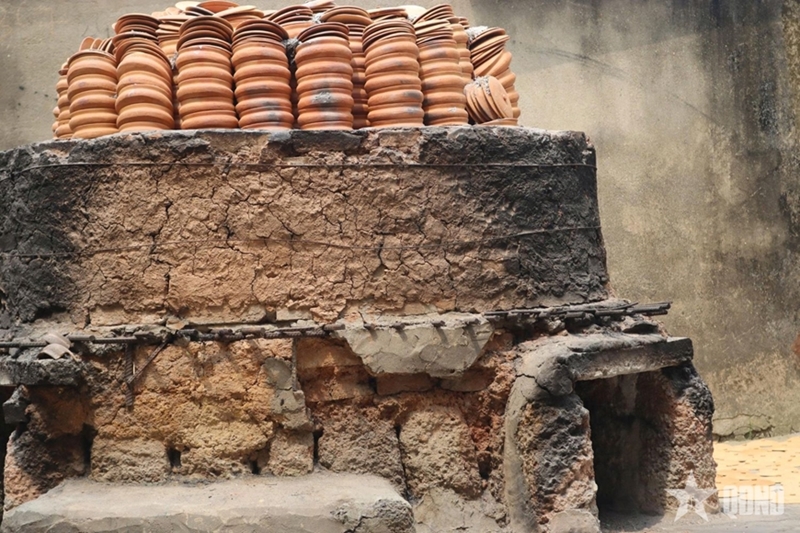
After shaping, products dry naturally for one to two days, then are fired at 800-900°C. The blazing kiln is the final test. When opened, sturdy dark-brown pots emerge, carrying the sweat and patience of the makers. Each piece is thoroughly inspected with pride.
In a small yard, Nguyen Thi Hong shared while skillfully shaping clay: “During free farming days, my husband and I can make about 50 pots. Each sells for around VND 10,000, bringing us about VND 50 million a year.”
|
|
 |
|
Clay pots are fired at high temperatures. |
|
|
 |
|
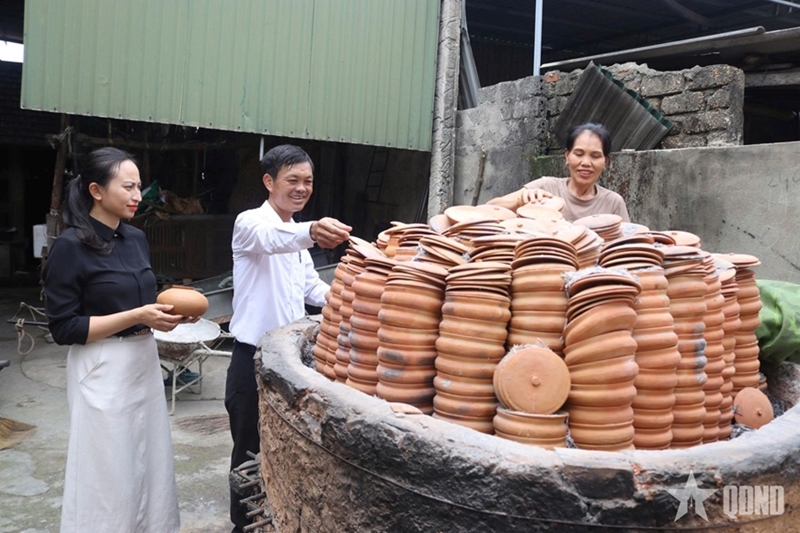
Restaurants often order clay pots in large quantities. |
Though modest, this income supports daily life and children’s education. For Hong, each pot reflects diligence and attachment to ancestral craft. It may not bring quick wealth, but it offers steady earnings at home.
Tru Son clay pots are favored by families and restaurants for their heat retention and ability to enhance flavors. Meals cooked in clay pots evoke warmth and the taste of traditional home cooking.
Today, over 200 households still practice the craft, producing thousands of items annually. It boosts local income and preserves the cultural identity of Nghe An.
|
|
 |
|
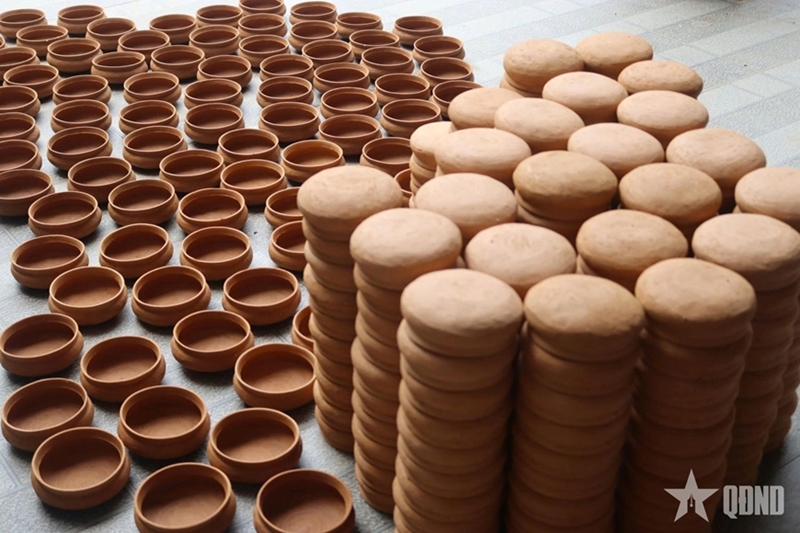
Clay pots preserve old flavors and memories. |
At Nguyen Thi Que’s house, the scent of clay and kiln smoke has lingered for three generations. Rows of warm pots lined her yard. She said the craft still sells well, “Everything we make is sold. Sometimes we can’t meet the demand.”
However, challenges persist. “The biggest issue is raw material. There’s no stable clay supply due to lack of planning,” Que noted.
Other challenges include strong competition of modern cookware like aluminum and electric appliances, and less interest of younger generation, threatening continuity.
|
|
 |
|
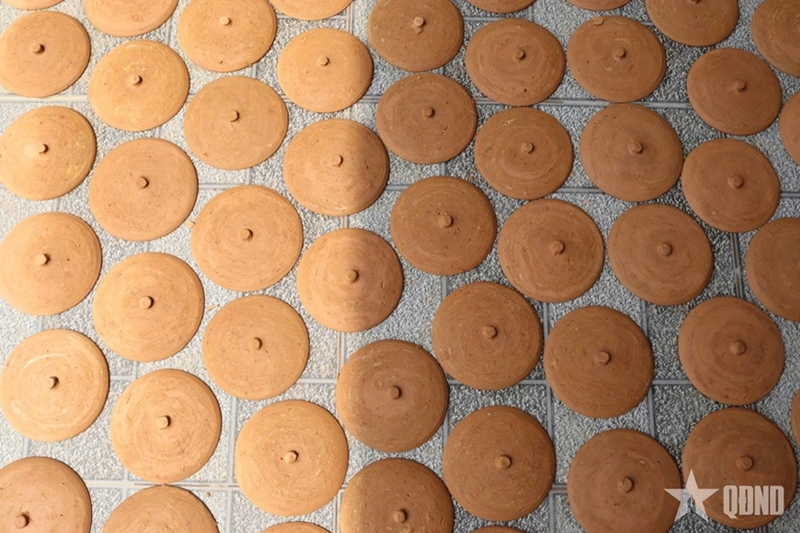
The craft village embodies Nghe An province’s culture. |
|
|
 |
|
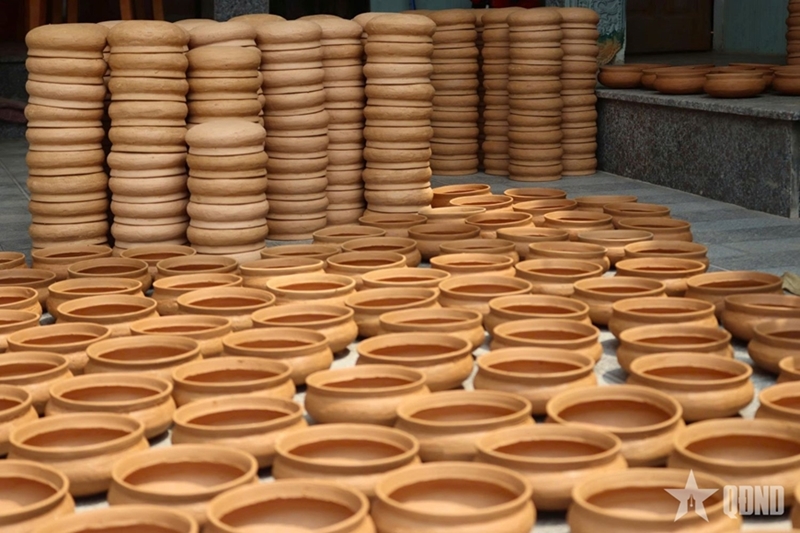
Pots dry on the sun-filled yard. |
Still, in Tru Son village, wheels keep turning and kilns keep burning. Despite hardships, villagers persist, preserving their craft as part of their heritage, hoping that stable resources will allow these humble clay pots to endure and carry forward the soul of Nghe An.
Translated by Mai Huong