December 18, 2025 | 13:52 (GMT+7)
Quang Ninh eyes sustainable marine aquaculture development
Vice Chairman of the People’s Committee of Quang Ninh province Nguyen Van Cong has called for efforts to strengthen the management of marine aquaculture zones, quickly put hatching centers into operation, and guide people to link production, trace the origin of aquatic products to meet export requirements, and strictly comply with regulations on combating illegal, unreported and unregulated (IUU) fishing.
Speaking at a December 17 meeting regarding sustainable marine aquaculture development for 2026, Cong urged the provincial Department of Agriculture and Environment to urgently finalize the draft plan, which will serve as a basis for focusing on the development of marine aquaculture in the coming period; and take the lead in coordinating with localities to review and adjust the planning of marine aquaculture areas, with an emphasis on encouraging the efficient use of marine areas suitable for aquaculture, in line with environmental impact assessments.
    |
 |
|
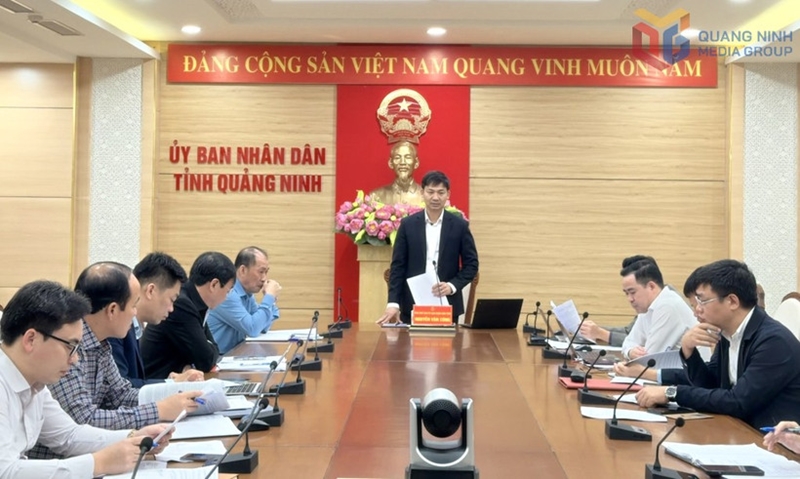
Vice Chairman of the People’s Committee of Quang Ninh province Nguyen Van Cong chairs the meeting regarding sustainable marine aquaculture development for 2026 (Photo: baoquangninh.vn) |
It is necessary to ensure the sustainable development of and harmonize the benefits and social welfare between the aquaculture zones and the fishing areas, he stressed.
The Vice Chairman also instructed the department and coastal localities to strengthen management, address unplanned aquaculture areas, and clarify legal regulations on tidal zones. Priority should be given to allocating marine areas to those focused on aquaculture and identifying key areas for large-scale marine aquaculture investment.
According to the Department of Agriculture and Environment, the draft plan for marine aquaculture in 2026 sets a target of a total aquaculture output of approximately 120,300 tons, of which that from marine aquaculture is expected to reach 73,000 tons. Specifically, 100% of applications that meet the requirements for permits and marine area allocation will be processed, with a reduction of at least 20% in processing time.
The province also strives for 20% of marine aquaculture areas to apply advanced technology, with 30% of cages being upgraded for intensive farming; maintaining 100% of concentrated marine aquaculture areas to be monitored for environmental conditions, with over 90% of farming facilities collecting and treating waste effectively. By 2026, 5-10 production-consumption linkage models will be established, with over 40% of marine aquaculture output being sold through linked chains.
Source: VNA