December 22, 2025 | 23:50 (GMT+7)
Colors of market of border people in Tuyen Quang
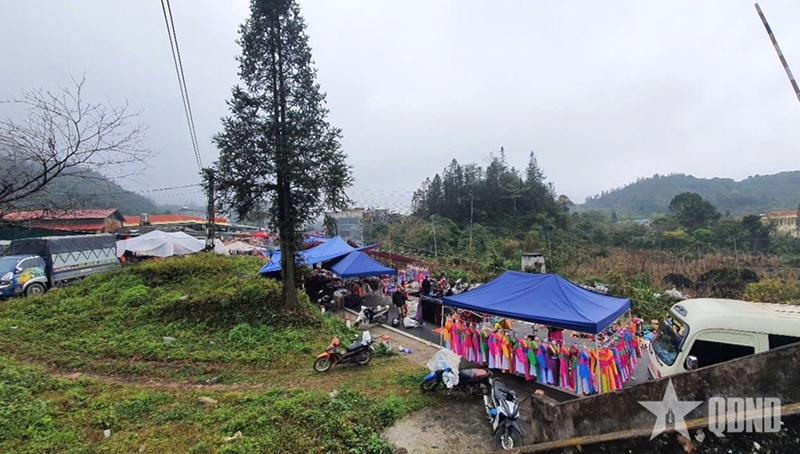
PANO - Amidst the rhythms of modern life, with its many changes and cultural intersections, Xin Cai Periodic Market in Son Vi commune, Tuyen Quang province has steadfastly endured as a distinctive cultural meeting point for border communities.
Being more than a place for trading and buying goods, the market helps connect the community while preserving and spreading the unique values of ethnic cultural identity.
What makes Xin Cai Market distinctive is its organization according to a “backward-shifting” schedule, an element of traditional cultural practice deeply rooted in the daily lives of local ethnic groups. This feature creates a rhythm of its own, giving the border market a unique appeal.
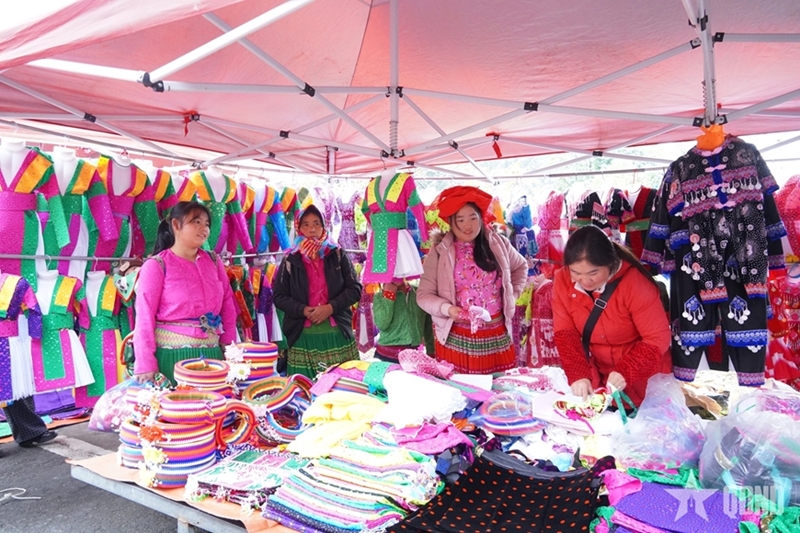
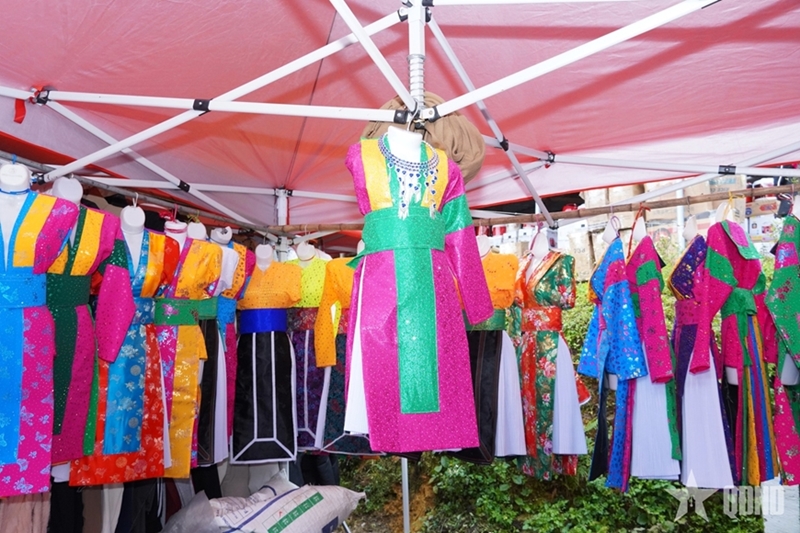
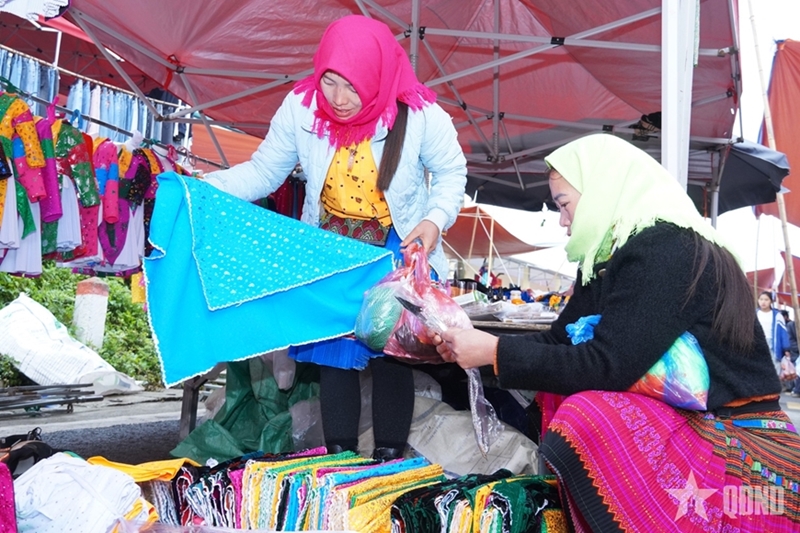
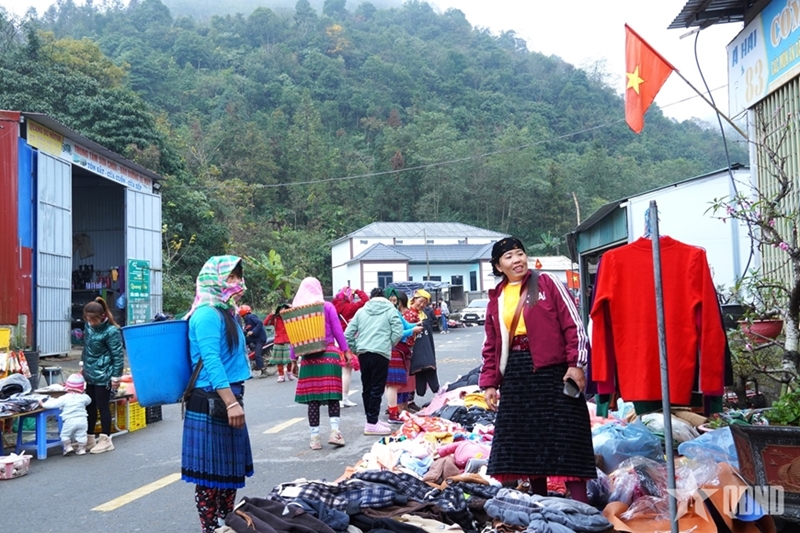
The market is a vibrant space of cultural exchange among ethnic minorities, such as the H’mong, Giay, Xuong, and Lo Lo, where cultural colors are vividly expressed through skirts, garments, languages, and smiles. Particularly striking are the stalls selling colorful traditional costumes, especially those of the H’mong people, forming a vivid picture amid the remote mountainous areas.
Despite the passage of time and the many changes in life, Xin Cai Periodic Market continues to serve as a spiritual and cultural anchor, contributing to the preservation of ethnic identities and further enriching the cultural imprint of Tuyen Quang’s border region.
Below area photos of Xin Cai Market.
    |
 |
|
Panoramic view of Xin Cai Market, a distinctive cultural meeting place for border communities |
|
|
 |
|
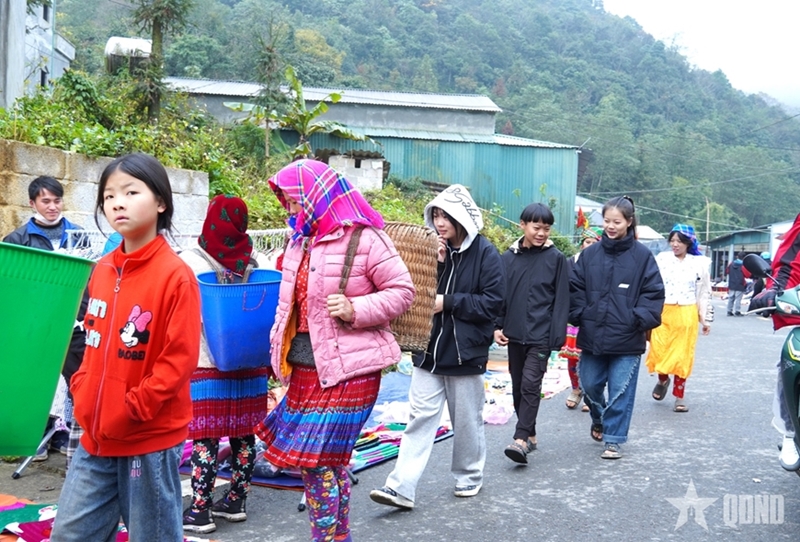
People from various ethnic groups arrive at the market early in the morning. |
|
|
 |
|
Stalls displaying brightly colored traditional costumes attract large numbers of visitors. |
|
|
 |
|
Colorful traditional costumes of the H’mong people at the market |
|
|
 |
|
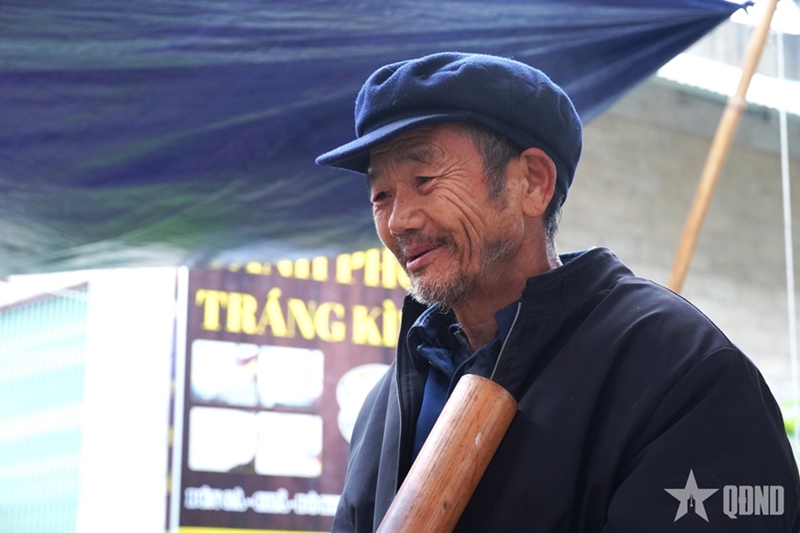
Portrait of a man from an ethnic minority group in the border area at Xin Cai Market, reflecting a rustic charm and the essence of mountain life |
|
|
 |
|
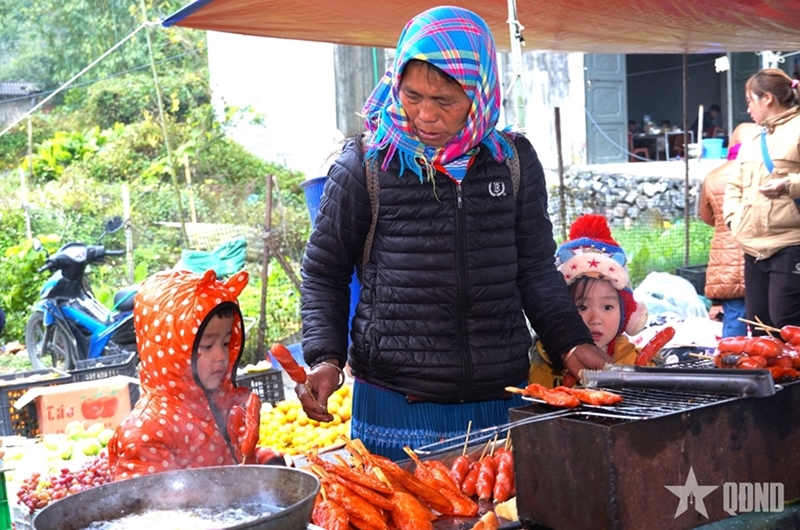
Everyday moments of local people at the market |
|
|
 |
|
People selecting fabrics and traditional scarves at the market |
|
|
 |
|
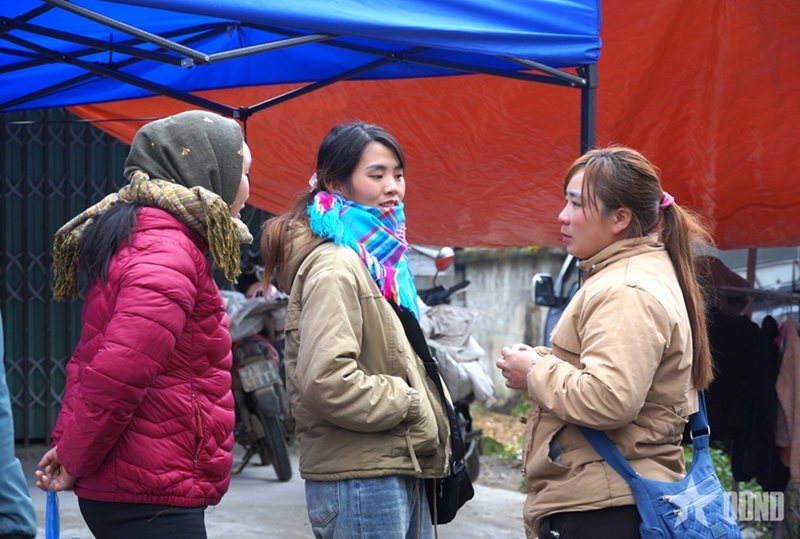
The market is also a place for meeting, chatting, and strengthening community bonds among borderland residents. |
|
|
 |
|
Xin Cai Market continues to preserve its cultural rhythm, reinforcing the distinctive identity of the border region over time. |
Translated by Chung Anh