Nghi said the resolution directs Viet Nam to effectively restructure, manage and use regional development space in line with national planning, leveraging the strongest advantages, competitive strengths and cultural identity of each region and locality. It seeks to amplify the leading and spillover roles of growth-driver regions, economic corridors and growth poles while ensuring strategic autonomy, energy, food and water security, improving material and spiritual well-being, and safeguarding national defense-security as well as independence, sovereignty, unity and territorial integrity.
    |
 |
|
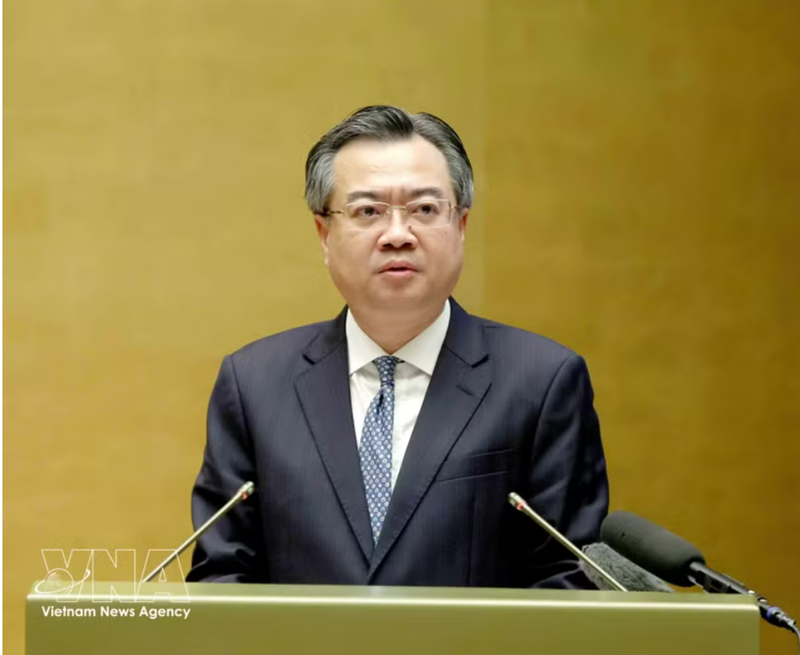
Head of the Party Central Committee’s Commission for Policy and Strategy Nguyen Thanh Nghi speaks at the national conference on September 3. |
The resolution sets region-specific goals and 22 targets through 2030, matched to each area’s potential, comparative advantages and current conditions. The targets are intended to forge tighter organic links among regions and align their efforts with the country’s broader development agenda, he noted.
For 2045, the resolution envisions regional economies built on digital, green, data and circular models, supported by synchronous, smart, green, safe and highly resilient infrastructure with seamless connectivity.
Science, technology, innovation and digital transformation will drive growth. Localities in each region and across the country will remain closely connected, with disciplined, safe, civilized and progressive communities governed through a fully developed digital society. Ecological sustainability will be secured, national defense-security will be modern, autonomous, self-reliant and strong, and citizens will have access to quality social services, helping Vietnam become a developed, high-income country advancing toward socialism.
It also lays out 10 groups of key tasks and solutions to carry out the plan, according to Nghi.
Source: VNA