Ea Bung, a border commune with a wide area and dispersed population, has faced significant challenges in implementing administrative reform and digital transformation. Established in July 2025 through the merger of Ea Bung and Ya To Mot communes, the locality spans 390,081.9 km² and has a population of over 9,500. Along with new expectations came practical difficulties, such as officials taking on multiple roles, inconsistent technological infrastructure, and limited digital awareness among residents.
    |
 |
|
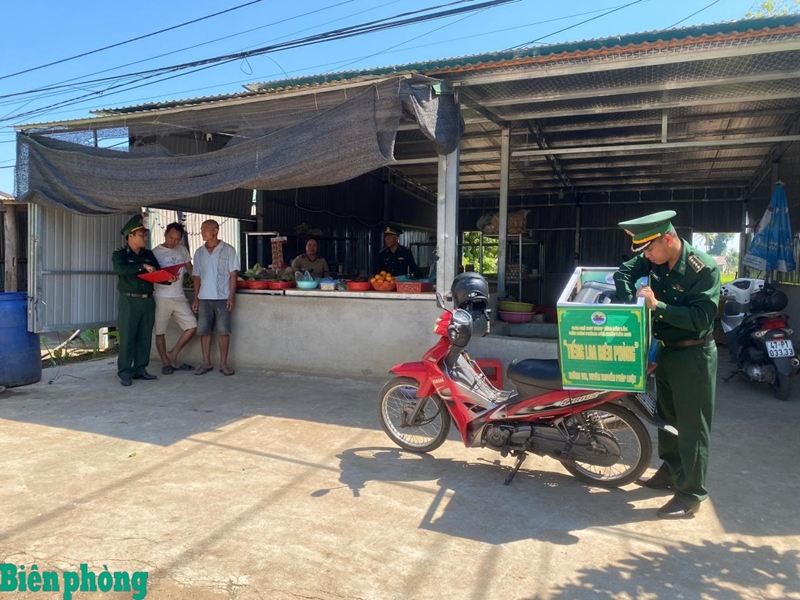
The model of Border Post of the Dak Rue International Border Gate delivering useful information to residents in the border area |
According to Duong Thi Ngoc, Deputy Director of the Ea Bung Public Administration Center, the transition created both organizational and operational challenges. Many officials had not yet received formal training, while residents’ access to and familiarity with technology remained limited. At one point, Ea Bung ranked 86th out of 102 communes and wards in the province in terms of service quality for administrative procedures and national public services, highlighting the need for decisive and practical solutions.
In response, the commune mobilized the entire political system. Local departments, police, military, border guard forces, and community technology teams worked together to improve service quality and promote digital transformation from the grassroots level. Among the solutions, a communication model known as the “Border guard loudspeaker” emerged as a practical and effective approach.
Developed in coordination with forces stationed in the area, particularly the Border Post of Dak Rue International Border Gate, the model uses high-powered loudspeakers mounted on motorbikes. Border guard officers travel across all 12 villages, broadcasting short, easy-to-understand messages on administrative reform and digital services. The content includes guidance on installing applications, registering accounts, and accessing online public services, tailored to local residents’ capabilities.
For many residents, the clarity and accessibility of the communication have made a difference. Hoang Thi Bong, a small trader in the border area, said the broadcasts helped her understand procedures and apply them in her daily work.
The model’s impact extends beyond awareness. Residents have become more pro-active in seeking assistance, often approaching local teams or even stopping officers on duty for help with smartphones and digital services. Major Nguyen Thanh Son, Head of the Mass Mobilization Team at the Border Post of Dak Rue International Border Gate, noted that many situations during the process were both simple and revealing. In one case, a resident brought in a phone that no longer worked, only for officers to find that the battery had run out. Such incidents reflect the limited digital skills of some residents, particularly older people.
|
|
 |
|
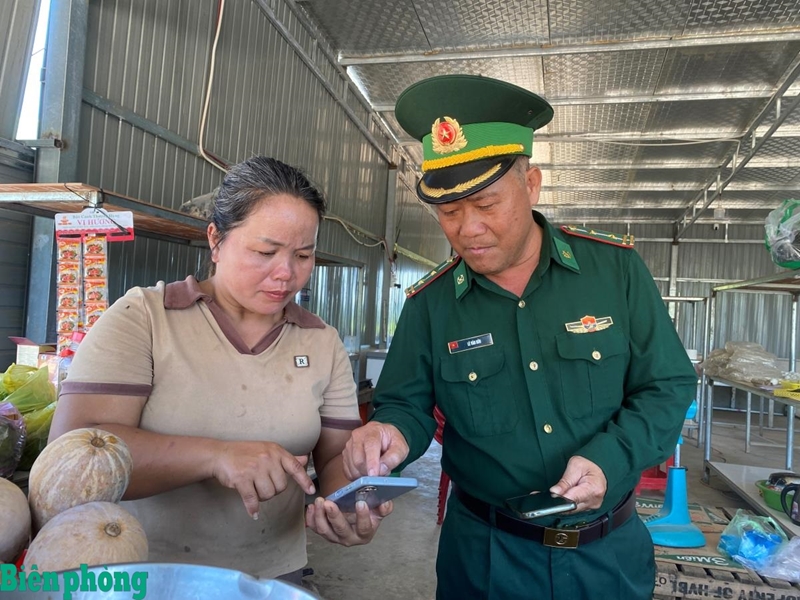
Alongside mobile communication through the model, officers of the border post actively guide residents in using online public services on mobile phones. |
Beyond communication, the model emphasizes hands-on support. After each broadcast, border guard officers and local forces visit households to provide direct, step-by-step guidance. This “hands-on” approach has helped residents gradually overcome hesitation, build confidence, and form habits of using online public services. The effect has been cumulative. Individuals learn, households follow, and eventually entire communities adopt new practices.
The results have been evident. After nine months of implementing the two-tier local government model, Ea Bung rose from 86th place to the top 10 in the province in service quality rankings, even reaching third place at one point. More importantly, these gains reflect growing public trust, with faster procedures and more responsive support improving overall satisfaction.
Translated by Tran Hoai