The two patients are men aged 30 and 34 who are believed to have contracted the virus through sexual contact. Both are currently in stable condition. The CDA noted that mpox is mainly transmitted through close or prolonged contact, meaning the overall risk to the broader community remains low.
    |
 |
|
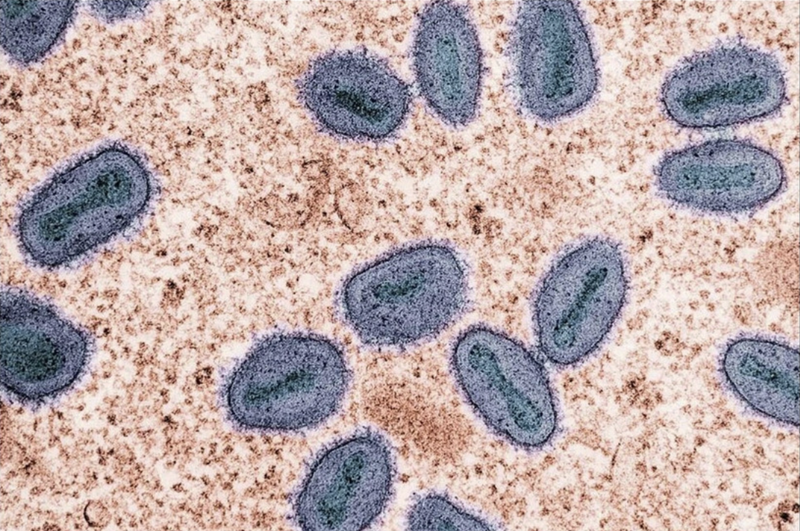
Mpox, caused by the monkeypox virus, is transmitted mainly through intimate or prolonged physical contact, said the Singapore's Communicable Diseases Agency. (Photo: straitstimes.com) |
The 30-year-old patient had no recent travel history. He developed symptoms on March 25, was hospitalized on March 30, and was confirmed to be infected with the Clade 1b variant the following day. He has since been discharged and will remain in home isolation until April 20 for further monitoring.
The second patient had a travel history and was identified as having prolonged close contact with the first case. He developed symptoms on March 26, sought medical attention on March 31, and tested positive on April 1. He is currently isolating at home until April 21.
Singaporean authorities said epidemiological investigations and contact tracing are ongoing. Close contacts have been advised to monitor their health and seek medical attention if symptoms appear, while high-risk individuals are encouraged to receive vaccination promptly.
The Clade 1b variant was first detected in the Democratic Republic of Congo in September 2023 and later caused significant outbreaks in several African countries in 2024. According to CDA data, Singapore recorded seven mpox cases from the beginning of this year to March 21, compared with 23 cases in the whole of last year.
Common symptoms of the disease include rash, fever, headache, muscle pain, back pain and swollen lymph nodes. Individuals with underlying health conditions may face severe complications or even death.
The CDA has not yet recommended mass vaccination, although vaccines are available and will be offered to high-risk groups starting in May. The agency also advised the public to remain vigilant, avoid high-risk sexual behavior, practice good personal hygiene, limit close contact with symptomatic individuals, and refrain from consuming wild animal meat.
Source: VNA