Speaking to a Viet Nam News Agency correspondent in Washington D.C. ahead of General Secretary of the Communist Party of Viet Nam Central Committee and President To Lam’s attendance at the High-level General Debate of the 81st Session of the United Nations General Assembly (UNGA 81) and bilateral activities in the U.S. from September 20, Campbell described 2026 as an active year in Viet Nam-U.S. relations.
    |
 |
|
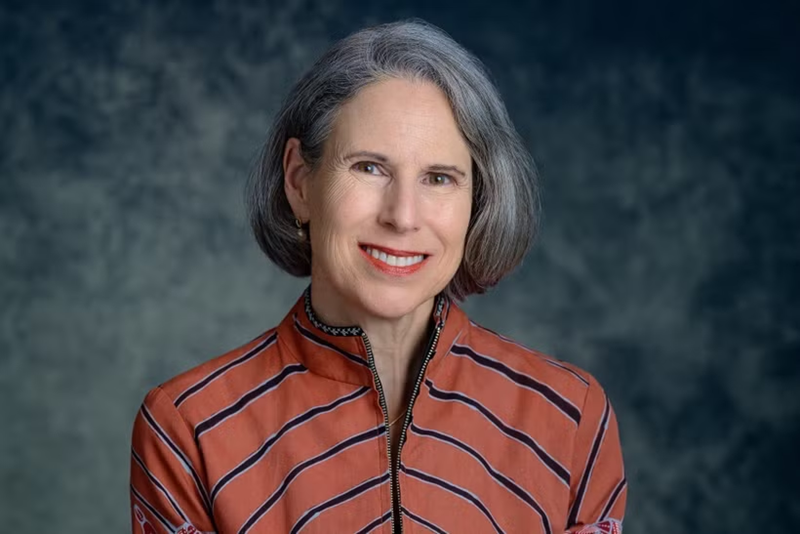
Professor Piper Campbell, Chair of the Department of Foreign Policy and Global Security at American University’s School of International Service |
She cited General Secretary and President To Lam’s visit to Washington D.C. in February to attend the inaugural meeting of the Gaza Board of Peace, as well as a series of U.S. activities in Viet Nam, including Deputy Secretary of State Christopher Landau’s visit to Hanoi in June for the ASEAN Future Forum, the visit of the USS George Washington aircraft carrier in July, and that of the Commander of the U.S. Pacific Command in August.
Campbell stressed the importance of direct exchanges between strategic partners such as Viet Nam and U.S. leaders on international issues, particularly amid the U.S. administration’s busy diplomatic agenda and preparations for the November midterm elections.
The two sides have discussed deepening their Comprehensive Strategic Partnership in areas ranging from trade and investment, energy and defense-security to science and technology, innovation, critical minerals and aviation. They have also highlighted the need to expand substantive cooperation and people-to-people exchanges while addressing differences, including trade-related issues, in an open and constructive manner.
According to the professor, Viet Nam remains an important and attractive market for U.S. businesses. She noted that both U.S. and Vietnamese officials are interested in reaching a trade agreement.
Campbell highlighted semiconductors, telecommunications infrastructure, energy cooperation, including liquefied natural gas (LNG), and critical minerals as promising areas. She expressed her hope that the two countries will develop Viet Nam’s critical-minerals sector in an efficient, transparent and environmentally friendly manner.
Regarding Viet Nam’s role in strengthening U.S.-ASEAN economic and trade ties, Campbell pointed to the ASEAN Digital Economy Framework Agreement (DEFA), expected to be signed at the 49th ASEAN Summit in November, as a major opportunity. The agreement covers digital trade, cross-border data flows, paperless transactions, e-commerce, cybersecurity and digital payments.
She also welcomed renewed interest in the ASEAN Power Grid and closer regional energy cooperation, saying greater U.S. engagement in energy initiatives and the bloc’s cooperation roadmap could open up further opportunities for collaboration.
Source: VNA