In outlining cooperation with emerging economies, the 26-page policy paper notes that many BMZ partner countries, including Vietnam, have experienced strong economic growth in recent years and decades.
    |
 |
|
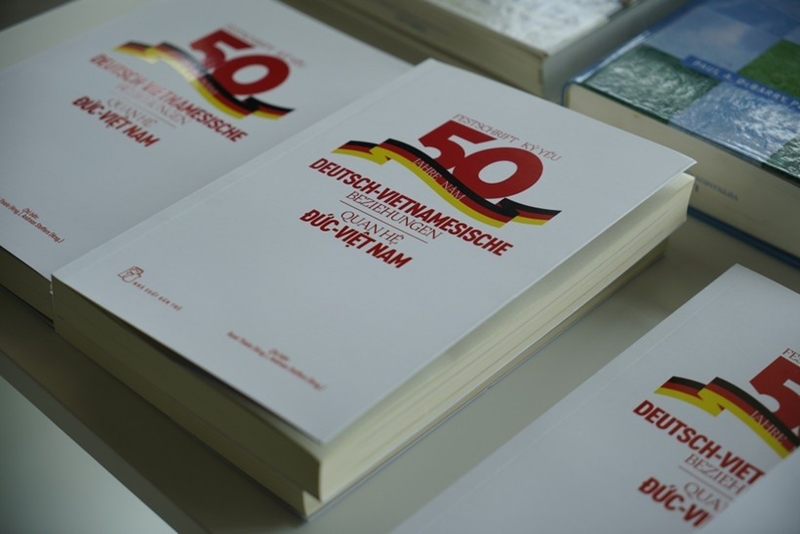
A commemorative publication titled “50 Years of Germany – Vietnam Relations: Partners in the Past, Present and Future”, published in 2025, offers a timely and comprehensive reflection not only on the 50th anniversary but also on the two countries' strategic path ahead. (Photo for illustration: the Vietnamese – German University) |
These fast-growing economies are increasingly integrated into the global economy and often represent important consumer markets for Germany and Europe. They are also major exporters, play a central role in global value chains, and now occupy a significant position in political and geostrategic terms.
The BMZ expects to expand cooperation with emerging economies. The plan underlines that engagement with these countries is a key priority from both a geostrategic and development policy perspective, particularly in the face of global challenges such as climate protection and a socially and ecologically just energy transition.
Commenting on the German Government’s prominent reference to Vietnam’s achievements in a key policy document shaping the future direction of its development policy, Dr Kambiz Ghawami, President of Germany’s World University Service (WUS), described this as highly significant.
Speaking to a Vietnam News Agency correspondent in Germany, Ghawami said this demonstrates that the Southeast Asian nation is recognised as an equal partner and has been included in a select group of special BMZ partner countries, alongside Brazil, India, Indonesia, Mexico, Peru and South Africa, which will be afforded strategic importance in the future.
This also reflects a policy approach that serves the interests of the Vietnamese people and promotes multilateral relations and open markets amid ongoing global crises and a growing trend towards protectionism, he added.
According to the plan, the German Government has determined that development policy can no longer be confined to traditional aid, but must be restructured into a form of strategic cooperation closely linked to foreign, security and economic policy.
Germany’s development policy reform marks a shift away from isolated, project-based approaches towards focused, long-term strategic partnerships. Development cooperation is no longer viewed as charitable assistance, but as an essential instrument for safeguarding peace, security and shared prosperity in an increasingly interconnected and risk-prone world.
Source: VNA