Deputy Prime Minister Nguyen Van Thang, who is also head of the committee, highlighted inflation control and macroeconomic stability as consistent top priorities, and commended 20 localities for keeping their CPI growth below 4.5%, the threshold approved by the National Assembly.
    |
 |
|
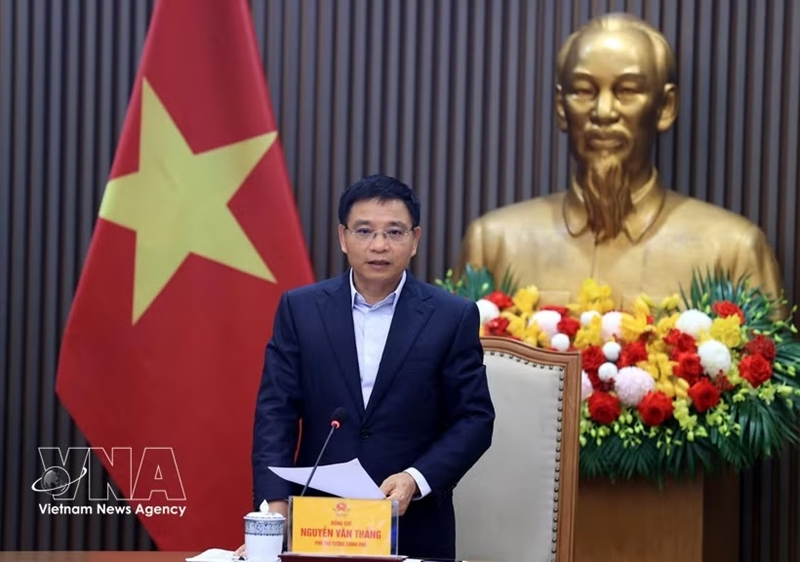
Deputy Prime Minister Nguyen Van Thang speaks at the meeting of the price management steering committee on November 9, 2026. |
Reporting on price management and administration, Deputy Minister of Finance Le Tan Can said that the consumer price index (CPI) rose 0.2% month on month in October, mainly due to higher domestic fuel prices in line with global trends. In the first 10 months, the CPI increased 4.57% year on year, while core inflation rose 4.24%.
To ease inflationary pressures, the Government has directed the coordinated implementation of measures to ensure supplies of essential goods, stabilize the market, reduce or waive taxes and fees, and support production and business activities. From November 1, 2026, the average retail electricity price was cut by 2%, while the excise tax on petrol was reduced to 0% until March 31, 2027.
Based on domestic and international economic developments, the ministry has updated this year's average CPI growth scenario of 4.5–4.7%, Can noted, adding that the State Bank of Viet Nam has made the same forecast. International organizations project Viet Nam's average inflation in 2026 at around 4.2–5.5%.
Regarding tasks and solutions for the remaining months of 2026, the Deputy PM asked ministries, agencies and localities to closely monitor domestic and global supply–demand developments and market prices, particularly for goods with high CPI weightings and essential inputs such as fuel, food, fertilizers, animal feed and construction materials. They must promptly assess factors affecting the overall price level and proactively prepare response plans for abnormal fluctuations.
Prices of goods and services regulated by the State should be adjusted according to appropriate roadmaps, with careful assessment of the necessity, timing and scale of any changes, as well as their impact on the CPI and people's ability to pay. Price adjustments should not be concentrated towards the end of the year or around the Lunar New Year, he said.
He asked ministries, agencies and localities to proactively monitor and assess changes in input costs and selling prices of goods and services under their management before and after the petrol tax cut and electricity price reduction.
They were also urged to step up public communications on supply-demand conditions, commodity prices and the Government's price management policies, ensuring information is timely and transparent to avoid public anxiety and expectations of further price increases. Inspections and supervision of price declarations, price listings and compliance with pricing regulations should be strengthened, focusing on essential goods and sectors at risk of significant price fluctuations during the year-end period and the Lunar New Year holiday.
The Deputy PM asked for the prompt detection and strict handling of stockpiling, speculation, price manipulation and other practices that exploit market fluctuations or natural disasters to raise prices unreasonably.
Meanwhile, localities with CPI growth below the national average were urged not to become complacent or relax their price management efforts.
Source: VNA