Assessing the opportunities offered by digital technology and artificial intelligence (AI), Dr. Pham Ha, Vice Chairman of the Viet Nam Green Tourism Association under the Viet Nam Tourism Association, said digital transformation has become an inevitable requirement across tourism promotion, business operations, management, and customer service. The key is to move from digitizing individual activities toward data-driven management, with tangible efficiency serving as the measure of success.
Talking about opportunities that digital transformation brings to Vietnamese tourism, Dr. Pham Ha stated that Viet Nam has considerable advantages in natural landscapes, cultural heritage, cuisine, and hospitality. To make better use of these strengths, the tourism industry needs to understand visitors more accurately through data, including their countries and regions of origin, reasons for choosing Viet Nam, length of stay, spending patterns, and factors influencing their decision to return.
Analyzed and connected data can help management agencies formulate more effective policies while enabling businesses to adjust their products and services to market demand. AI can further support demand forecasting, analysis of consumer trends, and personalization of travel experiences.
For example, for a multi-generational family traveling with seniors and young children, information about their transportation, dining, accommodation, and sightseeing needs can help service providers pro-actively design an appropriate itinerary. When different services and agencies are connected seamlessly, visitors do not have to repeatedly provide the same information or make the same requests. Technology can also reduce repetitive tasks, allowing tourism workers to devote more time to serving customers. This, in practical terms, is where the value of digital transformation lies.
    |
 |
|
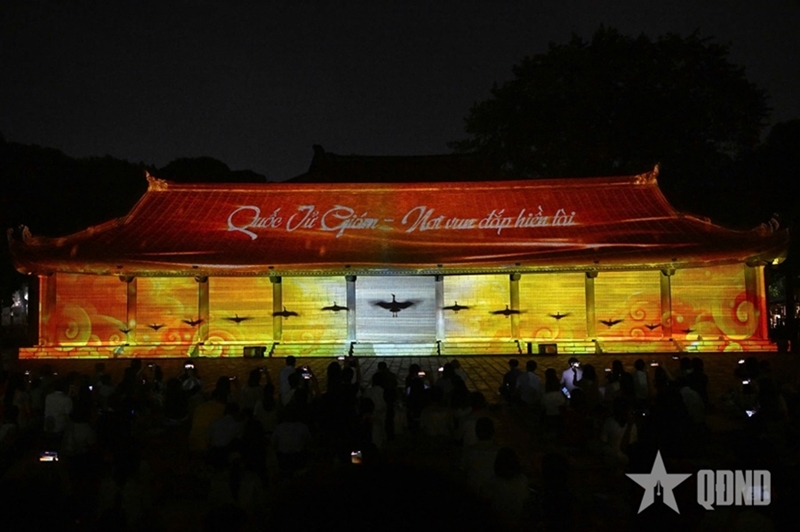
Visitors enjoy an artistic light show at the Temple of Literature in Ha Noi. |
According to Dr. Pham Ha, although many businesses have pro-actively adopted technology, the digital transformation process still faces many difficulties, such as data fragmentation and the lack of connectivity between management systems, as well as between state agencies and businesses, remain major obstacles. These shortcomings limit the effectiveness of information sharing.
He cited the operation of waterway tourist transport as an example. Procedures related to port clearance, overnight-stay declarations, and document presentation during inspections still require travel and paper-based processing at various stages. Although businesses have adopted digital platforms, electronic records are not yet shared and used consistently among relevant parties.
Human resources also pose a challenge. Digital transformation requires not only investment in software and technology but also changes in governance methods and improvements in workers’ digital skills. AI applications likewise require caution. Historical and cultural information incorporated into tour programs must be carefully verified to prevent inaccurate content from damaging the reputation of destinations.
Therefore, digital transformation needs to go hand in hand with administrative reform, data standardization, and human resource development.
Regarding solutions for the coming period, the Vice Chairman of the Viet Nam Green Tourism Association called for priority to be given to developing a smart tourism ecosystem based on standardized and interconnected data from the central to local levels and among ministries and sectors.
Information that has been declared and authenticated should be shareable among competent authorities, allowing businesses to provide information only once and update it when necessary. Electronic records and digital signatures should be uniformly recognized for eligible procedures. The effectiveness of digital transformation should be measured through concrete indicators such as shorter processing times, fewer trips, and reduced paperwork.
At the business level, enterprises should be encouraged to adopt technologies suited to their size and needs, beginning with booking management and information connectivity and expanding to visitor feedback and service-quality analysis.
AI should be applied more extensively in demand forecasting, itinerary planning, and service-quality assessment, enabling businesses to proactively arrange transportation, personnel, and food services while identifying shortcomings and improving visitor experiences. Better experiences, in turn, can encourage visitors to return.
Dr. Pham Ha also stressed that digital transformation must be closely linked to green and sustainable tourism. Data on resource consumption can help businesses reduce resource waste and minimize their environmental footprint, while digital skills training should receive greater attention, particularly among workers at small and medium-sized enterprises and community-based tourism sites.
AI adoption must also be accompanied by appropriate measures to protect personal data. Businesses need to verify AI-generated content and remain accountable for the quality and accuracy of the services they provide.
Ultimately, digital transformation can be considered successful only when it creates tangible value for management agencies, businesses, and visitors. AI can process information rapidly, but the dedication, attentiveness, and sense of responsibility of tourism workers cannot be replaced by technology.
Technology should therefore give tourism workers more time and better tools to serve visitors, while helping the industry preserve and promote cultural values and strengthen the competitiveness of Viet Nam’s tourism sector.
Translated by Minh Anh