Chandar, CEO of Asia Destination Management JSC (ASIA DMC), reflected on his two decades in Vietnam this Lunar New Year. Arriving in 2006, he recalled Quang Ngai as an underdeveloped town with few hotels and the Dung Quat Oil Refinery as its sole major project. Twenty years later, he notes the region has transformed at an astonishing pace.
    |
 |
|
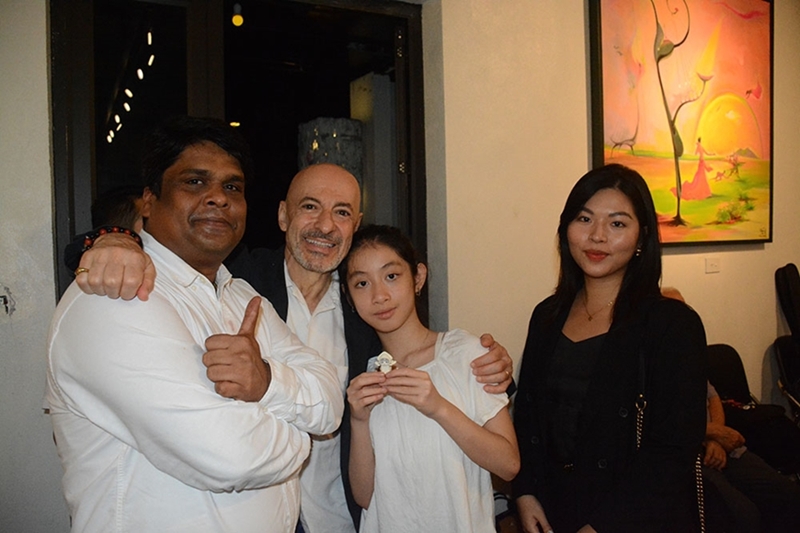
Entrepreneur Subhash Chandar (first from left) and international friends host a celebration marking the 80th anniversary of Vietnam’s National Day. (Photo: Hien Minh) |
That first impression of Vietnam’s regions reminded him of rural India. He recalled that in 2006, Da Nang International Airport was still very small, even though it was the first year the airport welcomed one million passengers (in 2024 the figure reached 13.5 million). When they visited Da Nang during holidays, the city had only a handful of hotels. Today, it has developed remarkably and become one of Vietnam’s leading tourism cities. The newly expanded Da Nang, after merging with Quang Nam province, covers more than 11,800 square kilometers, making it the largest among Vietnam’s six centrally-run cities. It is the heart of the Central region and is steadily affirming its position as one of the most modern, dynamic, and livable cities in the country. Such a transformation would have been almost unimaginable 20 years ago.
That is why Chandar’s company confidently promotes Vietnam to its clients as “the next Singapore of Asia.” He explained that while many countries develop step by step, Vietnam has made dramatic and decisive breakthroughs.
In Hanoi, Chandar’s current home, infrastructure has evolved from narrow alleys to modern flyovers and bustling ring roads, essential for economic growth. Data reflects this "astonishing leap": international arrivals surged from 1.1 million in 2006 to 7.5 million in 2025, supported by a tripling of five-star hotels.
From a tourism perspective, Chandar views the recent provincial mergers as a strategic move to pool budgets and unlock regional potential. Furthermore, he praises Decree No.221/2025/ND-CP for granting visa exemptions to high-quality foreign talents, including scientists and digital experts. He believes this timely policy will ensure Vietnam remains competitive in the global race for technological human resources.
|
|
 |
|
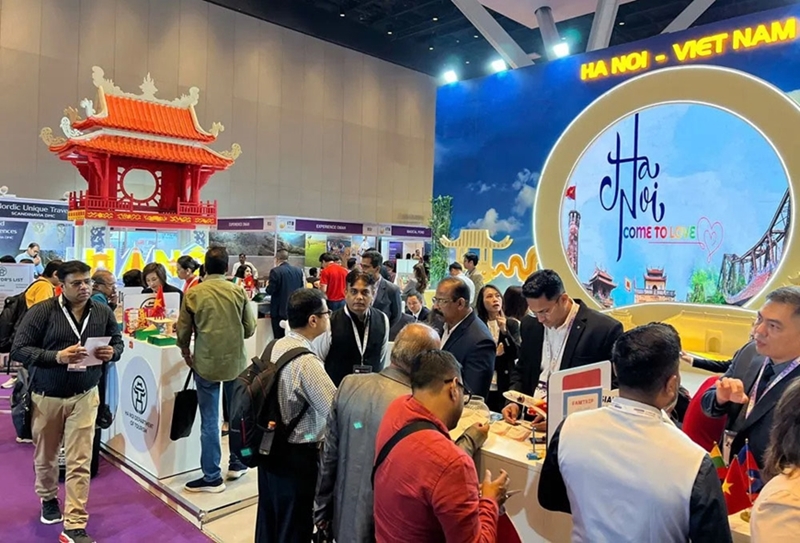
Indian visitors explore the “Hanoi – Come to Love” pavilion at ITB India 2025 in Mumbai, India. (Photo courtesy of the Consulate General of Vietnam in Mumbai) |
Chandar, who has lived in Vietnam for 20 years, praises the local hospitality and warmth but remains concerned about traffic and wildlife consumption. Recalling a visit to Huong Pagoda, he noted endangered civets being sold. However, he finds hope in the younger generation's shifting attitudes.
To attract further investment, Chandar suggests Vietnam introduce retirement visas, similar to successful programs in Thailand and Malaysia. "I, like many foreigners who love Vietnam, would like to live long-term in this peaceful country," he stated.
The businessman also highlighted untapped potential in the Middle East, noting a lack of direct flights despite the region's vast capital. Conversely, relations with India are surging; Indian tourism has grown 300% alongside major bilateral projects like Adani’s USD 2 billion port investment in Da Nang and VinFast’s USD 2 billion plant in India.
"Vietnam will continue to soar as a leading Southeast Asian destination for investment and tourism," he concluded.
Translated by Mai Huong