This is President José Antonio Kast’s first visit to Viet Nam as head of state. Taking place in the year Viet Nam and Chile celebrate the 55th anniversary of diplomatic relations, the visit holds special significance, helping strengthen political trust and reaffirming the two countries’ shared determination to further deepen their comprehensive partnership.
Despite their geographical distance, Viet Nam and Chile have always maintained warm ties. As early as the 1960s, when Viet Nam was engaged in its arduous struggle for national independence and reunification, the solidarity movement in support of Viet Nam gained strong momentum in Chile. In 1971, Chile became the first South American country to establish diplomatic relations with Viet Nam.
    |
 |
|
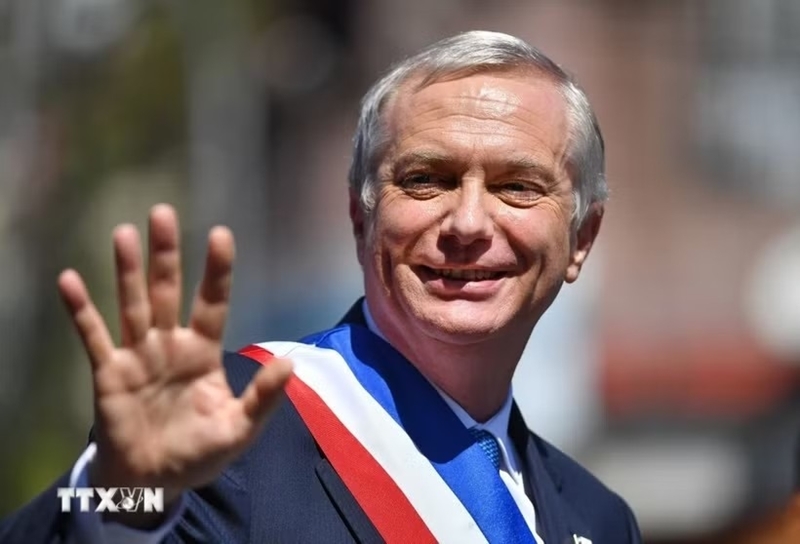
Chilean President José Antonio Kast (Photo: VNA) |
Over the past more than five decades, successive generations of leaders and people from both countries have consistently preserved and nurtured their relationship. Today, Chile is one of Viet Nam’s leading partners in Latin America, while Viet Nam is among Chile’s most important partners in Southeast Asia. The two sides regularly exchange delegations at all levels and coordinate and support each other at multilateral forums, including the United Nations, APEC, and interregional cooperation mechanisms.
Economic and trade cooperation has been a bright spot in bilateral relations. Chile is Viet Nam’s fourth-largest trading partner and third-largest export market in Latin America, while Viet Nam is Chile’s largest trading partner in ASEAN.
Notably, Chile was the first Latin American country to sign a bilateral free trade agreement with Viet Nam. Both countries are also members of the Comprehensive and Progressive Agreement for Trans-Pacific Partnership (CPTPP). These frameworks have facilitated trade and investment cooperation and expanded market access for both sides.
Viet Nam and Chile are actively promoting cooperation in areas with significant potential, including high-tech agriculture, strategic mineral extraction, clean energy, digital transformation, and supply chain connectivity. These efforts aim to make bilateral cooperation deeper, more substantive, and more effective.
Over the past five decades, Viet Nam-Chile relations have made significant progress in both breadth and depth. The establishment of a comprehensive partnership in 2007 provided a stable and long-term framework for cooperation. The two sides have not only maintained regular and effective cooperation mechanisms but have also made positive strides in parliamentary relations.
Amidst rapid changes in the international and regional landscape, both Viet Nam and Chile seek to further deepen their relationship on the basis of trust, mutual respect, and mutually beneficial cooperation. The first visit to Viet Nam by a Chilean head of state in nine years is not only an important milestone in bilateral relations but also an opportunity for leaders of the two countries to review their achievements, consolidate political trust, and chart a course for bilateral ties in the next phase.
Viet Nam continues to consolidate its position as one of Asia’s most dynamic economies, while Chile has reaffirmed its commitment to multilateralism and interregional cooperation. With a market of more than 100 million people and its strategic position within ASEAN, Viet Nam can serve as a partner for Chilean businesses seeking to expand their presence in Southeast Asia. In turn, with its transparent business environment and network of trade agreements with most Latin American countries, Chile can provide a gateway for Vietnamese businesses to strengthen their presence in the region.
Built on a solid foundation of friendship, mutual understanding, and cooperation, Viet Nam-Chile relations have considerable potential to reach new heights. It is expected that President José Antonio Kast’s visit to Viet Nam will create fresh momentum for stronger, more substantive, and comprehensive bilateral ties, commensurate with the potential and strategic interests of both countries. The visit is also expected to serve the interests of their people and contribute to peace, stability, and development in both regions and the world.
Translated by Quynh Oanh