As host, Viet Nam will not only welcome leaders from 21 member economies but also shape the agenda, facilitate discussions and build consensus amidst global uncertainties.
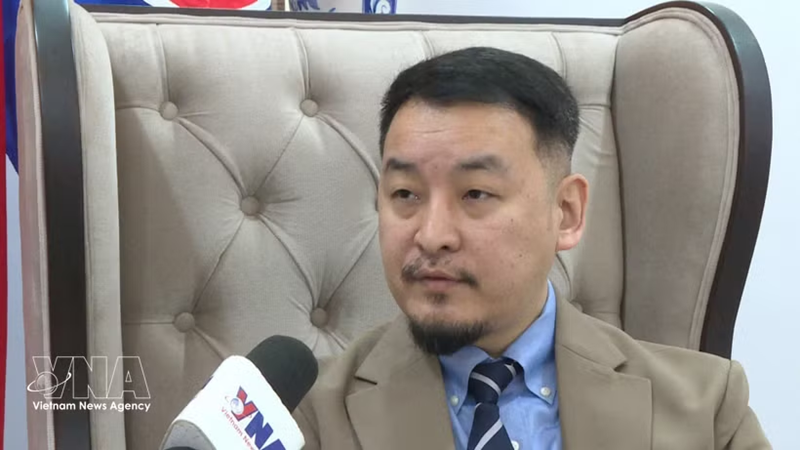
Speaking to Vietnam News Agency correspondents in New Delhi, Dr. Anmol Mukhia of South Asian University said Viet Nam’s third hosting of APEC, following the 2006 and 2017 editions, will take place amidst mounting geopolitical tensions, supply chain disruptions, energy crises, conflicts and rapid advances in artificial intelligence (AI). These developments are testing multilateral cooperation mechanisms and making the host economy’s role increasingly important, he noted.
    |
 |
|
Dr. Anmol Mukhia of South Asian University in an interview with Vietnam News Agency correspondents in New Delhi |
Mukhia said that Viet Nam has accumulated valuable experience in bringing leaders together, promoting dialogue and building consensus. While the regional and global context in 2027 may differ significantly from previous years, the country will be well positioned to fulfill its responsibilities.
He stressed that the host’s role is not to eliminate differences but to create an environment where members can exchange views, identify common ground and pursue shared development goals.
Viet Nam’s geoeconomic position also offers advantages. Located along major Asia-Pacific trade routes and a major exporter of agricultural products such as rice and coffee, the country can promote practical initiatives to maintain stable regional trade flows.
The APEC agenda should also expand to cover the digital economy, innovation, sustainable development and energy transition, Mukhia said.
With semiconductors, e-commerce and digital infrastructure becoming central to productivity and competitiveness, Viet Nam could promote cross-border cooperation on digital issues, particularly data governance. A common approach will help reduce barriers arising from differences in technology standards, data-sharing practices and infrastructure capacity, while strengthening trust in the digital environment.
He also highlighted the need to prioritize environmental protection and climate change response, which require APEC economies to share information, technology and resources.
Beyond organizing meetings and issuing declarations, Viet Nam should help maintain dialogue, bridge differences and create opportunities for cooperation, Mukhia said, stressing that the most important thing is to connect and maintain dialogue.
The expert also called for stronger policy coordination and preparedness for potential financial instability and AI-related risks. Cooperation on cybersecurity, data protection and responsible AI governance will be essential to prevent fraud, information manipulation and attacks on critical systems.
According to Mukhia, the success of APEC 2027 should not be measured solely by the organization of conferences, but by tangible cooperation and its benefits for people. Inclusive development, employment, better living standards and equal opportunities should remain at the heart of the forum’s initiatives.
With its experience and strengths, Viet Nam can make a lasting contribution to APEC cooperation while enhancing its international standing, he concluded.
Source: VNA