Sacred means of transport at temple
Throughout history, the horse was a vital means of transport, especially during the feudal era. The ancient system of “Postal Stations” served as the information artery of the nation.
    |
 |
|
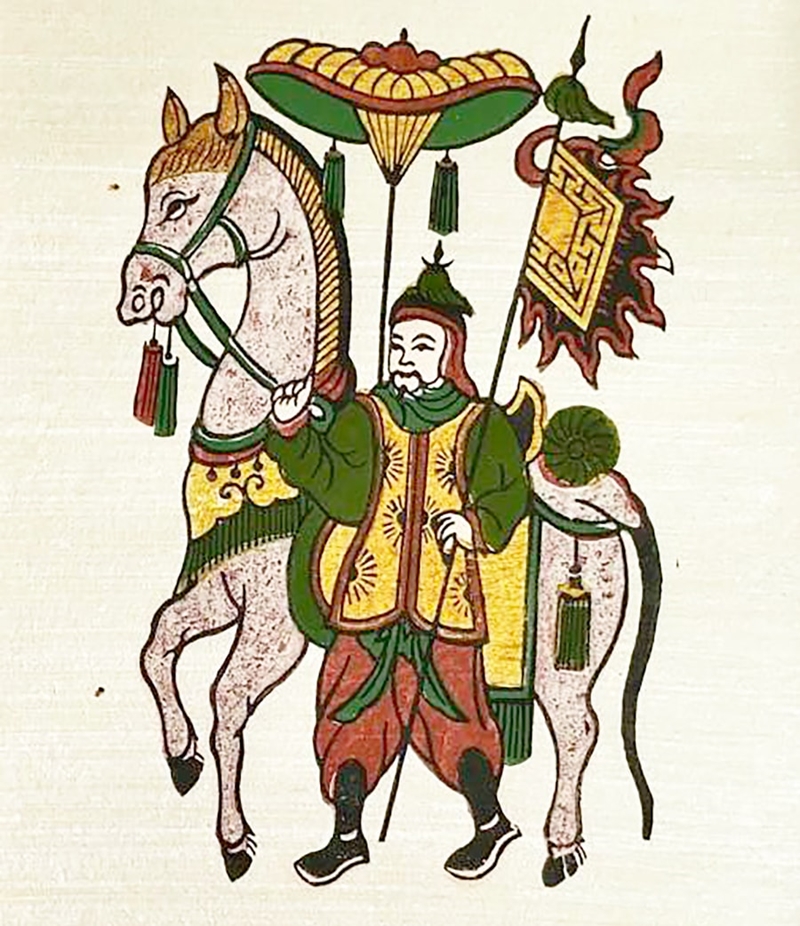
The horse is the symbol of loyalty and righteousness. (Photo: Hanoimoi) |
Notably, in wars for national defense, horses were “warhorses,” the life-and-death companions to generals. The image of Emperor Quang Trung leading a rapid march to the North to defeat the Qing invaders in the Spring of the Rooster (1789) is inseparable from the presence of mighty cavalry. The resilience, endurance, and speed of the horse contributed to writing glorious pages of history.
Symbol of loyalty and righteousness
Vietnamese people value the horse for its loyalty. A “thousand-mile horse” serves only one master. In literature and life, the horse represents the “Junzi” (true gentleman): strong, generous, and righteous. The idiom “A word spoken, four horses cannot chase” illustrates that the horse is also a measure of human credibility.
Horse in spiritual life and worshiping practices
This is the core value of the horse in Vietnamese culture. In the local mindset, the horse is not just a physical animal but has been deified into a mascot capable of connecting the Yin and Yang realms.
The most profound deified image is the Iron Horse of Saint Giong. The iron horse spitting fire to destroy the enemy is a symbol of supernatural power and patriotism supported by the divine. After defeating the enemy, Saint Giong rode the horse to heaven, leaving footprints that became lakes. This image elevated the horse to a sacred, immortal, and transcendent status.
At communal houses, temples, or Mother Goddess shrines in Vietnam, one often sees a pair of wooden or stone horses guarding the gates. The White Horse symbolizes purity and the heavenly realm, while the Red Horse represents strength, combat, and powerful Yang energy.
Translated by Huu Duong