Accordingly, provincial and municipal health departments are required to direct hospitals, centers for disease control and health care facilities to urgently develop plans and carry out medicine procurement to ensure sufficient supply, absolutely avoiding shortages. Medicines must meet quality standards and be sold at reasonable prices, with no sudden price increases allowed.
    |
 |
|
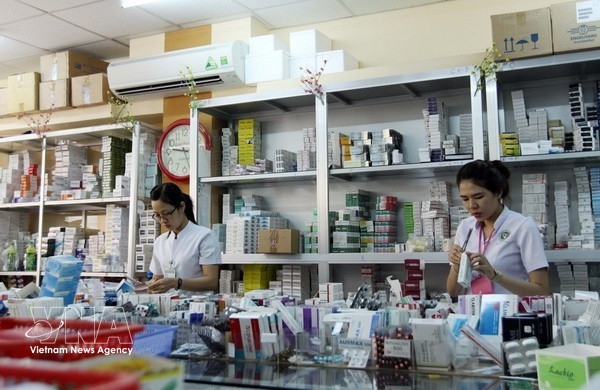
The DAV asks pharmacy producers and distributors to increase medicine supply capacity during Tet to meet increasing demand. |
Units are asked to prioritize ensuring adequate supplies of emergency medicines, drugs for disease prevention and control, especially those serving healthcare needs during Tet, as well as medicines for seasonal diseases such as dengue fever, influenza A, hand-foot-and-mouth disease, measles, rubella, rotavirus-related diarhoea, and respiratory and gastrointestinal infections.
Heads of medical facilities are responsible for ensuring sufficient, quality medicines for emergency care and treatment, and for organizing night-time medicine sales in accordance with regulations.
Local authorities are also requested to coordinate with relevant agencies to strengthen inspection and supervision of compliance with pharmaceutical regulations, including production, trading and import of medicines. Particular attention should be paid to detecting counterfeit, substandard or unlicensed medicines, as well as acts of hoarding and price manipulation, with strict handling of violations.
Hospitals are required to maintain 24/7 medicine sales and publicly disclose information to ensure timely access for patients during the holiday, while assigning dedicated staff to remain on duty throughout the Tet break to monitor the situation and ensure uninterrupted supply.
The DAV has also urged hospitals under the Ministry of Health to pro-actively coordinate with suppliers, place orders early, monitor delivery progress, and promptly conduct additional procurement if there is a risk of shortages, ensuring medicines are always available for medical services.
Pharmaceutical manufacturers and importers are asked to strengthen supply capacity, develop and implement supply plans, promptly fulfil orders from health care facilities, refrain from hoarding or price increases during Tet, and strictly comply with internal quality control and release procedures.
Source: VNA