Sharing his experience from the Autumn Fair 2025, where his AI Box product was showcased, Nguyen Tuan Nghia, a member of the Vietnam-Australia Scholars & Experts Association (VASEA), described such events, including the current Spring Fair, as important technological “bridges,” particularly amid global digital transformation. Vietnamese enterprises, he noted, have opportunities to compare their products directly with international counterparts, receive feedback from multinational customers, and face positive competitive pressure to increase investment in research and development (R&D) and technological innovation.
    |
 |
|
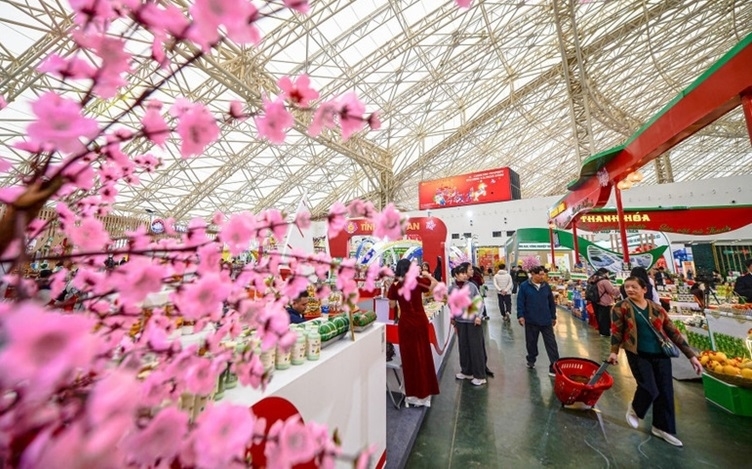
Spring Fair 2026 attracts over 32,000 visitors in two days. |
In an interview with the Vietnam News Agency correspondents in Sydney, the artificial intelligence (AI) specialist honored with the title of chief engineer by the Engineers Australia said trade fairs also create opportunities to connect directly with potential partners, develop joint R&D models, expand original equipment manufacturing (OEM) and original design manufacturing (ODM) services, pursue licensing and localization initiatives, and exchange technical knowledge through seminars, product testing and specialized discussion sessions.
He said fairs are not merely exhibition venues but catalysts for technological breakthroughs, enabling Vietnamese enterprises to integrate more deeply into global value chains through innovation. Based on his practical experience, Nghia added that foreign companies are willing to cooperate when Vietnamese partners demonstrate technical depth and a strong commitment to quality, and trade fairs provide ideal platforms for this engagement.
To further promote Vietnam–Australia cooperation, Nghia proposed solutions at two levels. At the government level, he suggested establishing a joint program to accelerate visa procedures for technology businesses, mutually recognize technical certifications, create funding mechanisms to support pilot projects in AI, the Internet of Things (IoT) and smart cities, organize sector-specific trade delegations, facilitate technology-based business-to-business connections, and hold specialized technical workshops rather than general networking events.
At the enterprise level, he recommended establishing technology centers and joint R&D models involving engineers from both countries, along with technology internship programs enabling engineers to work in partner markets for three to six months, thereby facilitating technology transfer through human resources. Such cooperation, he noted, would help Australia reduce R&D costs while helping Vietnam enhance its technical capabilities.
According to the expert, priority areas for cooperation between Vietnam and Australia include agricultural technology (with Australia seeking automation solutions and Vietnam possessing strengths in AI-based applications for smart agriculture); computer vision (Australia’s expertise in mining and construction safety combined with Vietnam’s capabilities in computer vision technologies); and smart cities and cybersecurity (where Australia has high standards and Vietnam offers abundant human resources).
He concluded that the cooperation should extend beyond trade to building a sustainable innovation ecosystem. The key is to begin with small pilot projects, learn quickly and scale up gradually, reflecting the flexibility and agility that define the technology sector.
Source: VNA