In an interview to Vietnam News Agency correspondents in Russia, Minh said in recent years, Russian fresh and frozen meat, seafood, and processed food products have gradually become familiar to Vietnamese consumers through modern distribution channels. Russian pharmaceuticals, service products, high-tech and digital solutions, and production machinery and equipment also see great potential in the Vietnamese market.
    |
 |
|
Spring Fair 2026: A “dual lever” for international cooperation |
Meanwhile, he noted Vietnam is currently a major supplier of agricultural products, seafood, and garments to the Russian market. Vietnamese cuisine is also gaining increasing popularity in Russia, with around 1,000 Vietnamese restaurants and eateries in Moscow. Vietnamese agricultural produce, processed foods, and beverages such as tropical fruits, coffee, and seafood have become well known and favored by Russian consumers. Branded products and goods of Vietnamese origin are appearing more frequently in Russian supermarkets and on e-commerce platforms.
However, the Trade Counsellor noted that many Vietnamese exports to Russia, including coffee, cashew nuts, and seafood, are still primarily shipped as raw materials without strong branding. Therefore, businesses should consider investing in production, processing, and brand-building in the Russian market to enhance added value and expand market share sustainably.
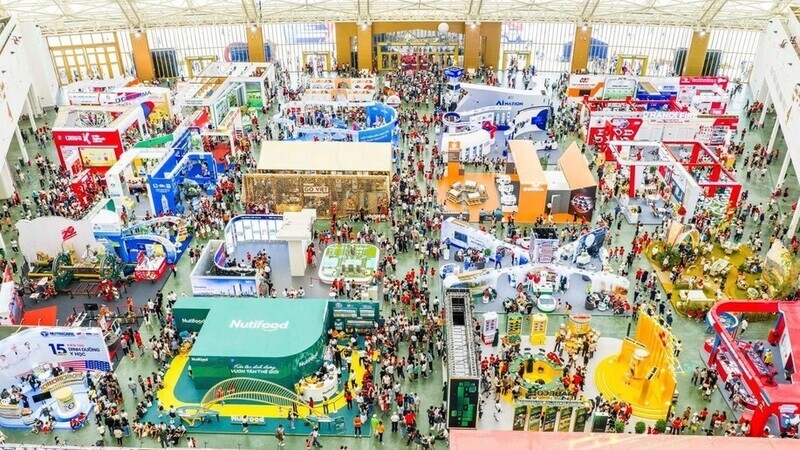
Regarding the Spring Fair, Minh expressed confidence that the event will play a vital role in promoting domestic enterprise development while creating opportunities for international cooperation. He emphasized three key benefits: improving product standards and fostering innovation; opening up opportunities for cooperation and technology transfer from international partners; and encouraging Vietnamese enterprises to invest in research and development, thereby driving innovation and building strong brands.
One of the key tasks of the Vietnamese Trade Office in Russia is to support domestic enterprises in accessing the market and identifying potential partners. The agency also proactively provides information about international trade fairs and exhibitions in Russia so that Vietnamese trade promotion agencies and businesses can participate and explore cooperation opportunities.
Another practical task involves compiling and updating lists of major Vietnamese trade fairs and exhibitions and sending them to Russia’s chambers of commerce and business associations, enabling them to dispatch business delegations to events in Vietnam. It also coordinates with relevant agencies, associations, and enterprises of Russia and Vietnam to organize seminars, forums, and business matching events.
Minh also shared plans for 2026, including organizing a Vietnam Goods Week at a major supermarket chain in Russia in July; supporting Vietnamese business delegations to participate in the WorldFood Moscow exhibition in September; assisting Zarubezh-Expo in organizing the “Expo Eurasia Vietnam 2026” industrial exhibition in June in Ho Chi Minh City within the framework of Vietbuild 2026; and supporting the Russian Export Centre in participating in the National Autumn Fair at the Vietnam Exhibition Center in late September or early October.
Through these activities, the Trade Counselor expressed his hope of creating an effective platform for Vietnamese enterprises to grow, enhance product value, and build strong brands in the Russian market.
Source: VNA