Across the country, Tet is celebrated in ways that reflect regional histories, beliefs, and ways of life, offering visitors opportunities to experience traditions that are rarely seen outside this special season.
    |
 |
|
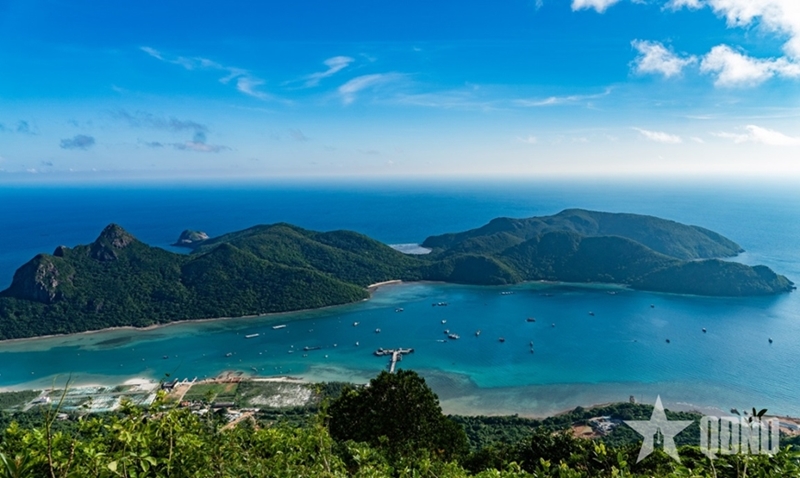
A bird-eye view of Con Dao |
One of Vietnam’s most moving Tet experiences occurs on Con Dao Island. While cities celebrate with fireworks, New Year’s Eve here is marked by silence and reflection. As midnight nears, the island becomes an “island of candles” as locals and visitors gather at Hang Duong Cemetery to honor national heroes. From 10 p.m. until dawn, a quiet vigil through incense smoke highlights the core Vietnamese values of gratitude and remembrance.
In contrast, the Gie Trieng people in Quang Ngai welcome the New Year with a lively communal ritual. Young men carry charcoal from the forest to the village, grinding and tossing it onto others. Symbolically, the more charcoal that lands on a person, the more luck they receive. This tradition reinforces community bonds, and visitors can join trekking tours to observe these unique customs among the local Bahnar and Gie Trieng groups.
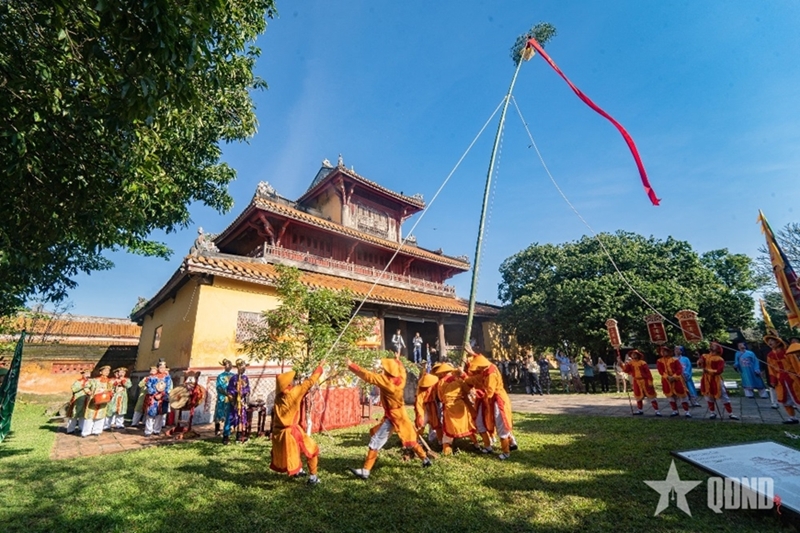
In Hue, Tet begins with the Thuong Tieu ceremony inside the Imperial Citadel. Following Nguyen Dynasty practices, guards in 19th-century court attire raise a tall bamboo pole to ward off evil spirits, officially starting the holiday. This recreation offers a rare glimpse into Vietnam’s imperial past. Seasonal guided tours of the citadel and royal tombs further explain how New Year symbolism is integrated into the site’s historic architecture.
Further South in Can Tho, Tet revolves around the waterways. Families arrange the traditional “Cau, Dua, Du, Xoai” five-fruit tray to wish for prosperity. At dawn, boats carrying flowers transform the Cai Rang Floating Market into a vibrant display. A morning visit reveals how Tet unfolds in the Mekong Delta, where trade and social life center on the river, often including home visits to witness traditional ancestral meals.
|
|
 |
|
Pole-raising ritual is among the recommended experiences for visitors during the Lunar New Year 2026. |
In the northern border province of Cao Bang, the Tay ethnic group celebrates Tet amid stone stilt houses in Khuoi Ky village. The holiday is defined by "Then" singing and tranquil visits to landmarks like Ban Gioc Waterfall. This calm atmosphere contrasts sharply with urban noise. Local hosts often guide visitors through Nguom Ngao Cave, where holiday lighting creates a striking visual experience.
Hoi An blends festive energy with nostalgia. Lion dances and echoing drumbeats fill narrow lanes lined with centuries-old yellow houses. Between performances, crowds gather for "Bai Choi," a folk art combining music and games that transforms streets into performance stages. Travelers also participate in lantern-making workshops, crafting symbols of fortune like the immortal peach to take home as traditional souvenirs.
Near Hanoi, Duong Lam Ancient Village preserves rural Red River Delta traditions. The village features red laterite houses and moss-covered gates adorned with calligraphy couplets. During Tet, elders conduct ancestral rituals over tea, maintaining a reflective pace of life. Day trips offer a rare look at year-end customs practiced within the village’s oldest homes.
Taken together, these experiences show that Tet in Vietnam is not a single celebration, but a mosaic of regional practices and shared values. From solemn remembrance to joyful communal rituals, from royal ceremonies to everyday family traditions, the Lunar New Year offers travelers a rare opportunity to understand Vietnam through its most meaningful cultural moments.
Translated by Tran Hoai