From highlands to sea
Following the merger of administrative units, Dak Lak now possesses abundant tourism resources that combine the characteristics of both the Central Highlands and the South Central Coast, creating a diverse landscape of nature and culture. Home to 49 ethnic groups, the province showcases a wide range of customs, traditions, and cultural identities.
Indigenous communities preserve distinctive cultural expressions such as double drum performances, gong ensembles, folk singing, and epic tales including Dam San, Xing Nha, and Dam Di. The oral traditions, languages, and scripts of the E De and M’nong people are also maintained. Notably, the Central Highlands gong culture space and “Bai choi” art (form of folk games) have been recognized by UNESCO as Representative Intangible Cultural Heritage of Humanity.
    |
 |
|
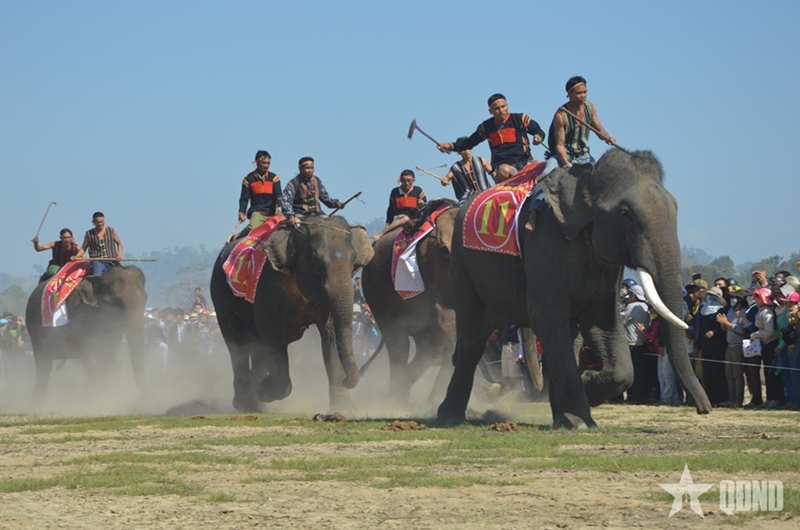
Unique elephant racing festival in Dak Lak |
Cultural tourism resources in the province are closely tied to ethnic diversity, reflected in longhouse architecture, traditional arts, music, festivals, and cuisine. Tangible heritage such as gong instruments, lithophones, bamboo artifacts, grave-house architecture, brocade weaving tools, and wooden sculptures illustrates the cultural life of local communities.
Dak Lak also boasts diverse natural landscapes, offering strong potential for tourism development. The convergence of highlands and coastal areas opens up opportunities for a unique “sea–forest” tourism axis. Coastal attractions include Ganh Da Dia, Bai Xep, Bai Mon, Bai Tram, and Xuan Dai Bay, along with scenic offshore islands. In contrast, the highlands attract visitors with deciduous forests, protected areas, and nature reserves, as well as ecological, cultural, and historical tourism. Key destinations include Yok Don National Park, Ea So Nature Reserve, Lak Lake, Ea Kao Lake, and Dak Tuar cave.
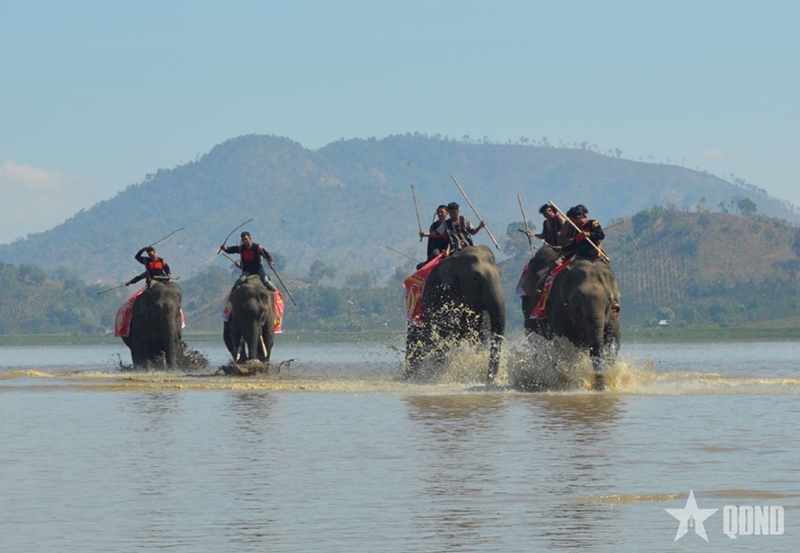
The province also features a rich historical and cultural heritage, with notable sites such as Buon Ma Thuot Prison, the Truong Son–Ho Chi Minh Trail, the Ho Chi Minh Sea Route, Bao Dai Palace, An Tho Citadel relic, Nhan Tower, Yang Prong Tower, and Mui Dien, known as the easternmost point on mainland Vietnam. Cultural festivals such as gong festivals, elephant racing, boat racing, and “Cau ngu” (whale worshiping) ceremonies, along with traditional crafts like brocade weaving, pottery, rice wine making, fish sauce production, and mat weaving, further enhance its appeal.
A visitor from Ho Chi Minh City shared that watching the sunrise in Yok Don National Park, exploring Buon Don, visiting brocade weaving villages, and continuing the journey to coastal destinations like Tuy Hoa and Tuy An created a meaningful experience, especially when combined with stops at nature reserves along the way.
Expanding tourism offerings
In 2026, Dak Lak targets total tourism revenue of approximately VND 16 trillion, a 17% increase compared to 2025, while aiming to welcome 8 million visitors, up 9% year-on-year. Under the theme “Dak Lak – Journey to Heritage,” the province is mobilizing resources to invest in tourism development, accelerate digital transformation, and improve service quality, with a focus on sustainable and professional growth.
Efforts are underway to attract strategic investors and develop eco-tourism, resort tourism, entertainment complexes, and large-scale tourism services, while ensuring strict environmental protection and resource conservation.
Ahead of the extended holiday period in late April and early May, the tourism sector is reviewing and reorganizing service facilities, including dining venues, local specialty outlets, and entertainment sites, to improve accessibility and visitor experience. The province is also working with the Vietnam National Authority of Tourism, overseas Vietnamese agencies, and tourism businesses to promote its tourism image and attract international visitors, notably from the Republic of Korea, Japan, and China.
|
|
 |
|
A festive atmosphere at elephant racing |
Dak Lak is also developing community-based tourism linked to cultural heritage, focusing on authentic experiences such as gong performances, Bai choi, coastal village culture, local cuisine, and homestay services. Pilot heritage–geology tourism routes connecting sea, forest, and community tourism villages are being implemented as models for future expansion.
Training programs are regularly organized to enhance the skills of tourism managers, businesses, tour guides, and local service providers. At the same time, authorities are strengthening oversight of tourism activities, ensuring safety and security for visitors, and promoting a civilized, friendly, and sustainable tourism environment.
With the development of diverse tourism products, from longhouse homestays and cultural experiences to farm tours, forest exploration, coastal wellness tourism, and improved infrastructure, Dak Lak is increasingly attracting both domestic and international visitors. These coordinated efforts are helping tourism emerge as a key economic sector, contributing significantly to the province’s ongoing socio-economic development.
Translated by Tran Hoai