Stepping up oversight of the search
Records indicate 27,799 officers and soldiers died across Military Region 2 and Northern Laos, including 25,499 in Viet Nam and 2,300 Vietnamese volunteer soldiers and experts in Laos. Under the 500-day campaign, the region and localities aim to complete recovery in key areas, focusing on the core Vi Xuyen Front in Tuyen Quang province and Lao Cai province. Their targets include recovering 820 sets of remains and sampling 11,366 unidentified graves for DNA testing.
    |
 |
|
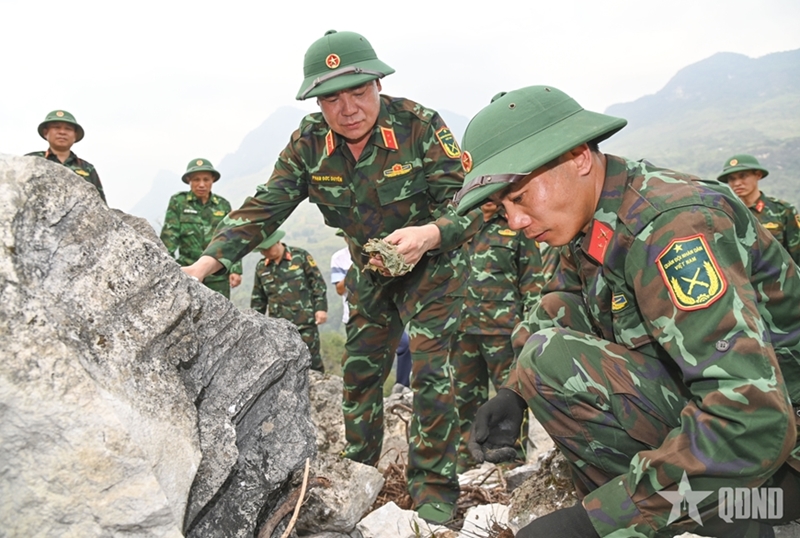
Military Region 2 leaders oversee field training in the search for and recovery of fallen soldiers’ remains at Hill 211 in Thanh Thuy commune, Tuyen Quang province. |
Reaching these targets remains challenging. Military Region 2 spans vast, divided terrain vulnerable to flash floods and landslides, with many sites still contaminated with unexploded ordnance. Burial records and maps, particularly from the anti-French resistance war, are missing or incomplete, while witnesses dwindle. Infrastructure development and urbanization have altered landmarks, complicating recovery. Meanwhile, artillery fire, natural decomposition, and deep burial have damaged remains, directly hampering surveying, recovery, and DNA sampling.
|
|
 |
|
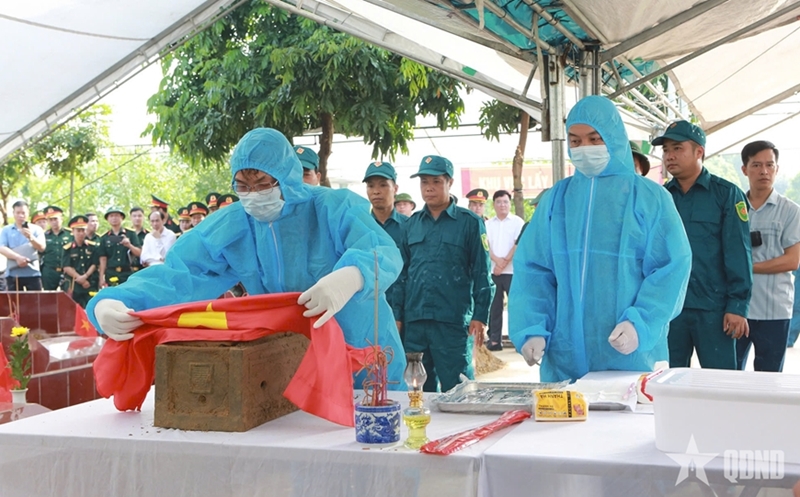
The Phu Tho provincial Steering Committee for the search, recovery and identification of fallen soldiers’ remains collects samples at Phu Ninh commune’s war cemetery. |
Major General Nguyen Hong Thai, Deputy Political Commissar of Military Region 2 and head of its steering committee for the search, recovery and identification of fallen soldiers’ remains, said the leadership translated Party guidelines, State laws, and directives from the Central Military Commission and defense ministry into concrete actions. They issued resolutions, regulations, and plans for 2026 and 2026-2030, resolving grassroots hurdles promptly and tying leadership accountability to implementation outcomes.
|
|
 |
|
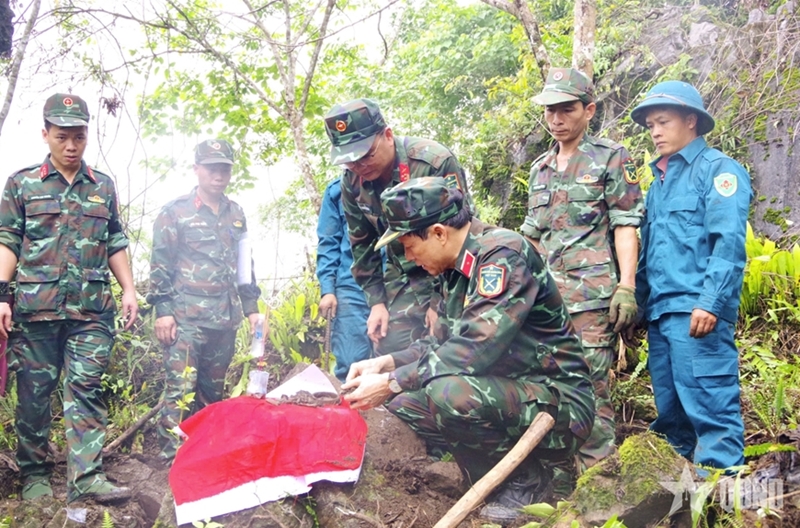
Military Region 2 leaders inspect and oversee search and recovery work at Hill 685 in Thanh Thuy commune, Tuyen Quang province. |
Concurrently, the steering committee advised the Ministry of National Defense to establish a temporary search team under the Lao Cai provincial Military Command and reinforce personnel for the team under the Tuyen Quang provincial Military Command. It formed research groups on local battle records and instructed provincial military commands to establish survey and verification teams. Field training standardized procedures for search, recovery, biological sampling, transport, handover, and record digitization to share across the military region.
|
|
 |
|
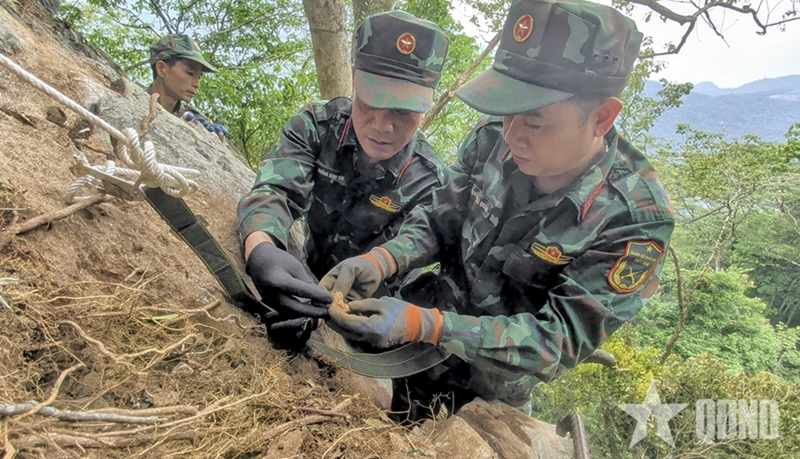
Military Region 2 search and recovery teams work at Hill 685 in Thanh Thuy commune, Tuyen Quang province. |
Coordinated efforts help teams locate burial sites
During Phase 1, steering committees directed teams to study records and interview veterans, witnesses, and village elders to pinpoint potential burial sites. Provincial military commands collaborated with active combat units, veterans’ associations, and liaison committees to review hundreds of battles, estimate casualties, and identify initial burial grounds. They circulated open letters, rolled out digital surveys, publicized hotlines, and sent teams to villages to cross-check leads. The region generated over 5,000 media stories, receiving over 1,900 tips via SMS, letters, and direct applications, while categorizing over 400 local reports.
|
|
 |
|
Military Region 2 oversees a pilot effort to collect samples from unidentified fallen soldiers’ remains at Bao Thang commune’s war cemetery in Lao Cai province. |
In Tuyen Quang, veterans' tips helped the recovery team under the Tuyen Quang provincial Military Command locate 69 sets of remains in five mass graves near Hill 685 in Thanh Thuy commune. In Lai Chau, archival records, witness testimonies, and workshop findings enabled the provincial steering committee to recover 47 sets of remains belonging to Regiment 148 personnel and the former Phong Tho District Party Committee who died during the anti-French war, buried near Tam Duong War Cemetery in Binh Lu commune. In Lao Cai, veterans’ tips led to the recovery of 45 sets of remains of soldiers who died defending the northern border near Da Voi Hill.
|
|
 |
|
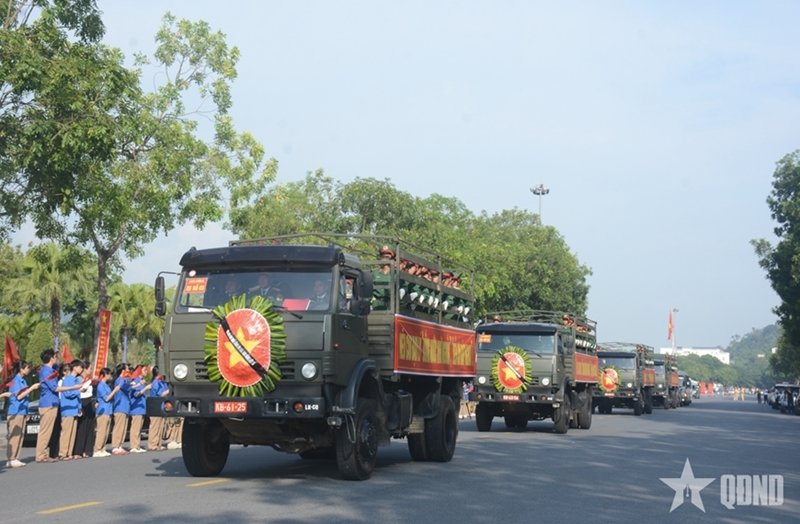
A Military Region 2 convoy carries remains recently recovered in Lao Cai province for burial at local cemeteries. |
Senior Colonel Nguyen Van Chinh, Head of the Policy Division under Military Region 2’s Department of Political Affairs, stated that forces overcame scarce data, rugged terrain, and harsh weather. They mobilized over 43,000 working days, navigating mountains, clearing pathways, and excavating nearly 60,000 cubic meters of earth and rock. By August 29, 2026, provinces completed exhumations, collecting 9,619 qualified biological samples (84.6% of the target). They finished sample handovers by September 10, 2026, 11 months ahead of schedule. As of October 31, 2026, Military Region 2 recovered 429 sets of remains, including 33 in Laos, while collecting 31,873 biological samples from martyrs' relatives for DNA comparison.
|
|
 |
|
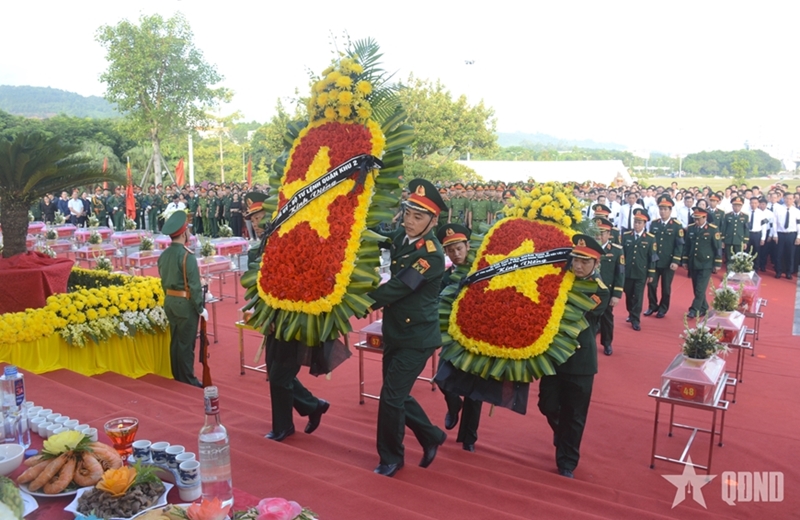
Military Region 2’s Party Committee, Command and steering committee lay flowers in tribute during a visitation, memorial and burial ceremony for 71 fallen soldiers at the memorial to fallen heroes in Cam Duong ward, Lao Cai province. |
Highlighting Phase 1 results, Lieutenant General Pham Duc Duyen, Secretary of the Party Committee and Political Commissar of Military Region 2, affirmed that forces will sustain close coordination with localities, executing the campaign with highest determination.
|
|
 |
|
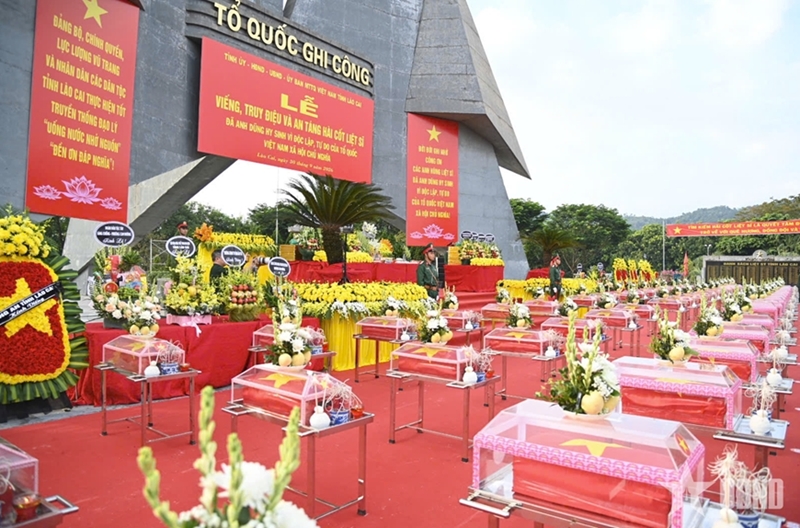
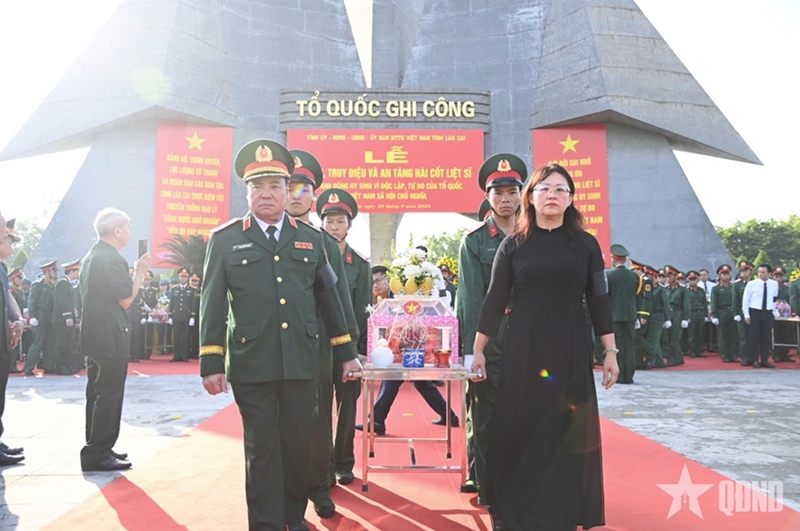
Military Region 2 helps oversee a visitation, memorial and burial ceremony for 71 fallen soldiers whose remains were recovered in Lao Cai province and taken for burial in the province’s cemeteries. |
|
|
 |
|
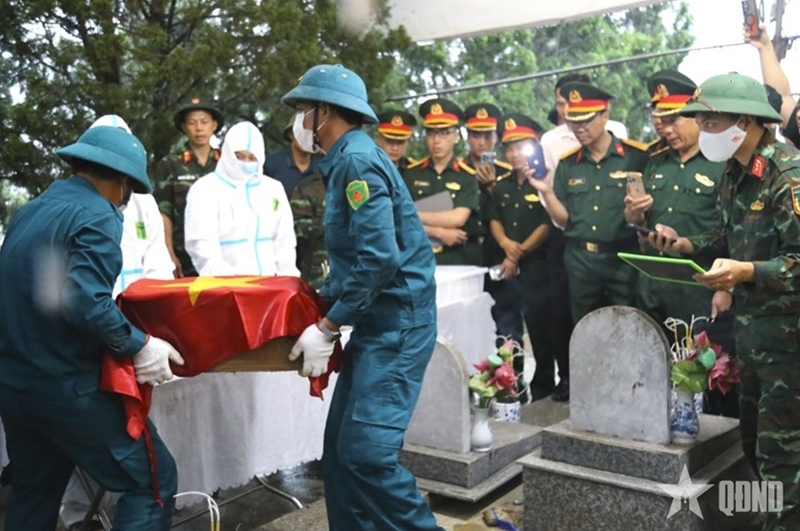
Military Region 2 leaders carry the remains recently recovered in Lao Cai province for burial in local cemeteries. |
The immediate priority is completing all campaign targets before searching until no further leads exist. The military region will direct provincial military commands to advise local administrations on organizing workshops, bringing combat veterans and historical witnesses directly to hilltops to corroborate casualty locations. Forces will intensify empirical identification methods and deploy specialized personnel to key areas, reinforcing or forming new temporary teams to fulfill campaign objectives.
|
|
 |
|
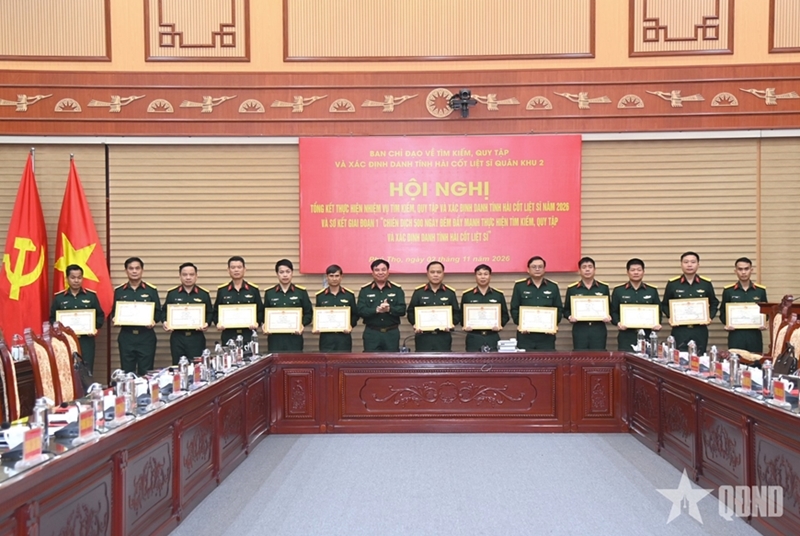
Military Region 2 leaders present certificates of merit to groups that excelled in the first phase of the region’s 500-day campaign. |
Translated by Minh Anh